
Politics
New Details Revealed On Ozzy Osbourne’s ‘Rare’ Health Ailment Days After Death
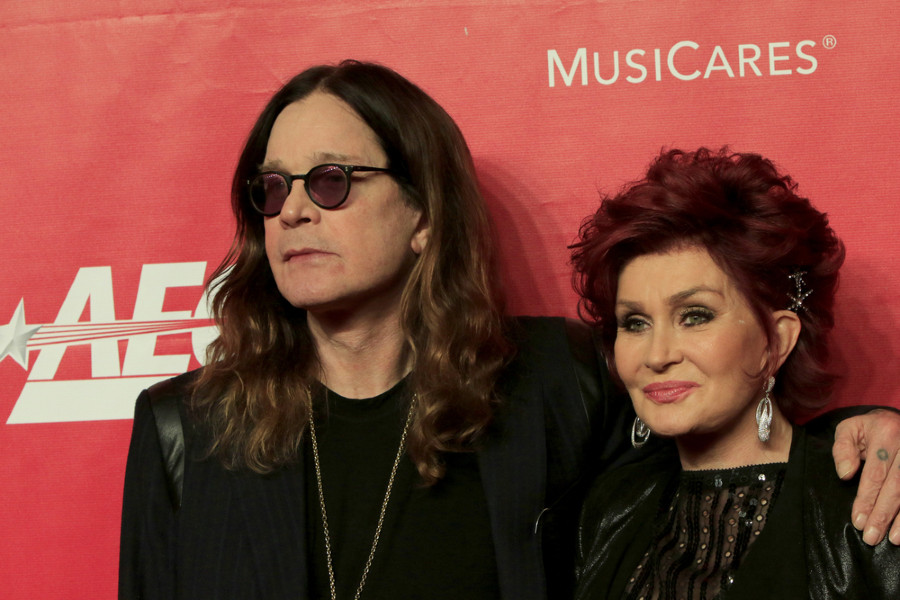
Heavy metal pioneer Ozzy Osbourne died on Tuesday at the age of 76, due to complications related to his battle with a rare form of Parkinson’s disease, new reports revealed on Friday. Osbourne, who, along with his bandmates in the legendary rock band Black Sabbath, helped create the metal genre, had been an open book about his illness.
The rock and roll frontman first discussed his condition during an appearance on “Good Morning America” in 2019. He, along with his wife Sharon, revealed the PRKN-2 diagnosis on the program, explaining that it’s a genetic condition and is usually defined as early-onset Parkinson’s that evolves slowly over time.
“I’m no good with secrets,” the singer stated on the show. “I cannot walk around with it anymore, ’cause it’s like, I’m running out of excuses, you know?” Osbourne then confirmed that he had experienced a “bad fall,” which led to surgery on his neck and ultimately caused nerve interference.
According to Fox News, Osbourne took time off from touring in order to address his health complications. However, just several weeks before his passing, Ozzy took the stage one final time for the Black Sabbath “Back to the Beginning” concert on July 5, 2025. The show was held in Birmingham, England, and was meant to be a retirement gig for the singer.
Dr. Brandon Crawford, a developmental and functional neurologist from Cedar Park, Texas, and co-founder of the NeuroSolution Center of Austin, noted that Parkinson’s disease can affect individuals in various ways.
Generally speaking, the illness is a neurodegenerative disorder, progressive in nature, that affects the midbrain. This part of the human brain is responsible for producing the chemical dopamine. Dopamine promotes happy feelings, but it’s functions go much further than that. It’s the chemical that pushes the body into gear, enabling it to move and think.
Crawford later explained that only 10 to 15 percent of Parkinson’s cases are “clearly linked to genetics.” Most cases develop as a result of a combination of genetic susceptibility and environmental triggers.
“Things like toxins, head trauma, sleep disruption or chronic inflammation tip the balance toward disease,” Crawford said to Fox News Digital. It’s important to note that Crawford was not Osbourne’s doctor, nor did he treat his Parkinson’s.
People who are in the early stages of Parkinson’s onset will usually notice a slowing of their physical movements and an inability to move certain parts of their body. It also causes digestive issues, including constipation and an inflamed gut.
“Dopamine travels from the midbrain into the frontal lobe, and it gives us our ability to think,” Crawford elaborated further. “It gives us a lot of our executive skills. And so that cognitive ability begins to decline.”
Currently, there’s no cure available for Parkinson’s; however, there are treatments available that can help manage its symptoms. Dopamine agonists, which are medicines that mimic dopamine, along with other stimulants, can help symptoms become stable for a short amount of time.
There will also be “moments of clarity,” Crawford said. However, once the medications begin to wear off, it all comes back rather suddenly.
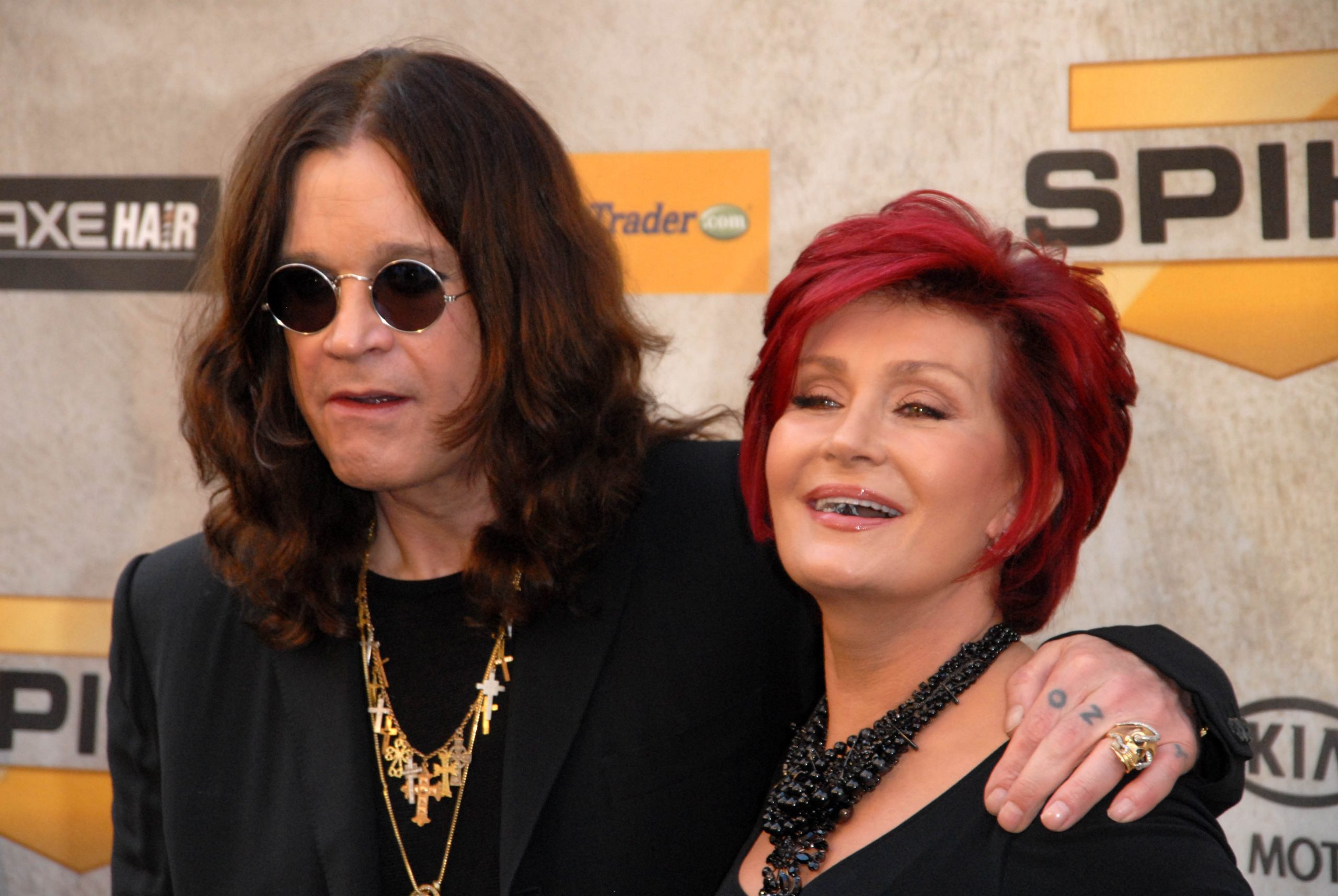
Osbourne’s wife, Sharon, stated during the GMA interview that her husband would have several good days in a row, then have a “really bad day.”
Some of the environmental factors that could have impacted Ozzy’s health and led to his battle with Parkinson’s included the constant presence of loud music, substance abuse, and, strangely enough, headbanging.
