
Sponsored
NEW: Washington Nearly Gave Itself the Power to Target Churches and Conservative Nonprofits. It Could Still Happen.
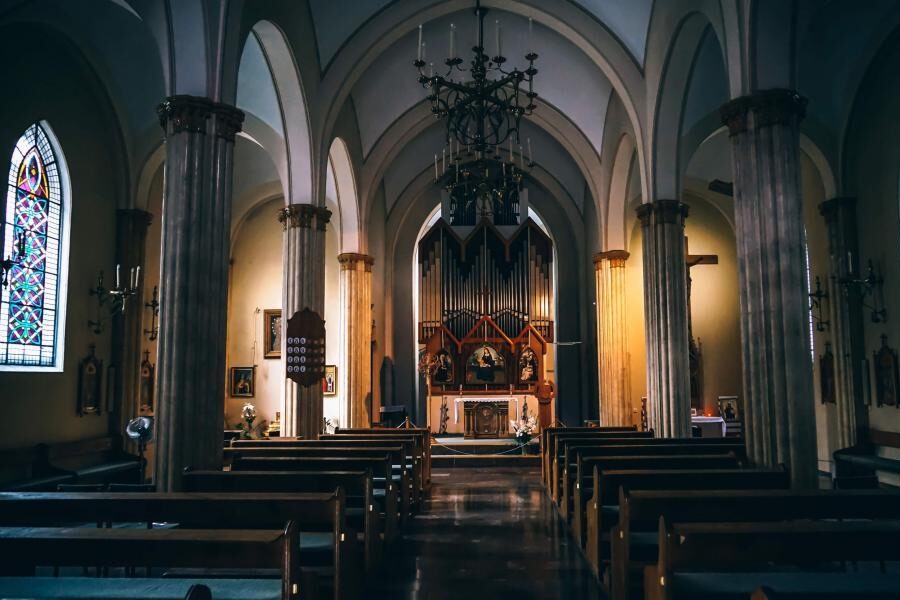
Many religious conservatives breathed a sigh of relief following last month’s passage of the One Big Beautiful Bill, which was nearly derailed by a policy rider that would have granted the federal government sweeping new powers to enforce political activity in houses of worship and other nonprofits.
Still, some warn the policy could resurface after Congress returns from its August recess.
The Republican-led House Ways and Means Committee struck provisions that would have authorized federal bureaucrats to unilaterally revoke the tax-exempt status of any religious organization that is found to be “politically subversive” — a vague accusation that would almost certainly have chilled free speech at churches, pro-life ministries, and community-based charities.
Proponents of religious freedom argue that the current policy does little to clarify what type of “threat” may warrant an investigation by the government. Nor does the bill offer standards for evidence or judicial review.
In a letter to lawmakers last month, over 200 faith-based and nonprofit organizations, including some geared toward veterans and local service networks, warned that the legislation posed existential risks to members who convey politically inconvenient viewpoints or accept donations from political figures out of favor with the current Washington, D.C. establishment.
While the letter was bipartisan in origin, conservatives in particular have special cause to be wary. Recent history has been troubling for the right: The Obama IRS infamously targeted the Tea Party and religious public figures who spoke out against progressive priorities.
Only after years of lawsuits, discovery, and congressional investigations were these tax cases dismissed, and apologies offered.
Pastor Robert Jeffress of Dallas, a supporter of President Donald Trump who has emphasized the need for religious freedom in the MAGA coalition, praised recent changes at the IRS that dilute the power of unelected officials to offer such sweeping decisions. Still, he warned that religious conservatives have seen this movie play out before.
“The IRS has no business dictating what can be said from the pulpit,” he noted recently. “They need to stay the heck out of our churches.”
Religious advocates are urging Republicans in Congress to remain vigilant about the reintroduction of bills that would give officials unfettered authority to decide what type of religious institution qualifies as “extreme.”
History is littered with cautionary tales about how dividing lines have been drawn between free speech and censorship.
Congress will return in September, when it is expected to take up more multi-billion dollar rescissions packages. These sweeping bills offer lawmakers on both sides of the aisle a golden opportunity to sneak in pork spending and new government powers, if voters don’t pay careful attention.
Conservative and faith leaders are urging Republicans to read the fine print – because once such governmental authority is codified into law, reversing is often far, far more difficult.
