
Politics
GOP Scores Decisive Redistricting Win After Absent Dems Return
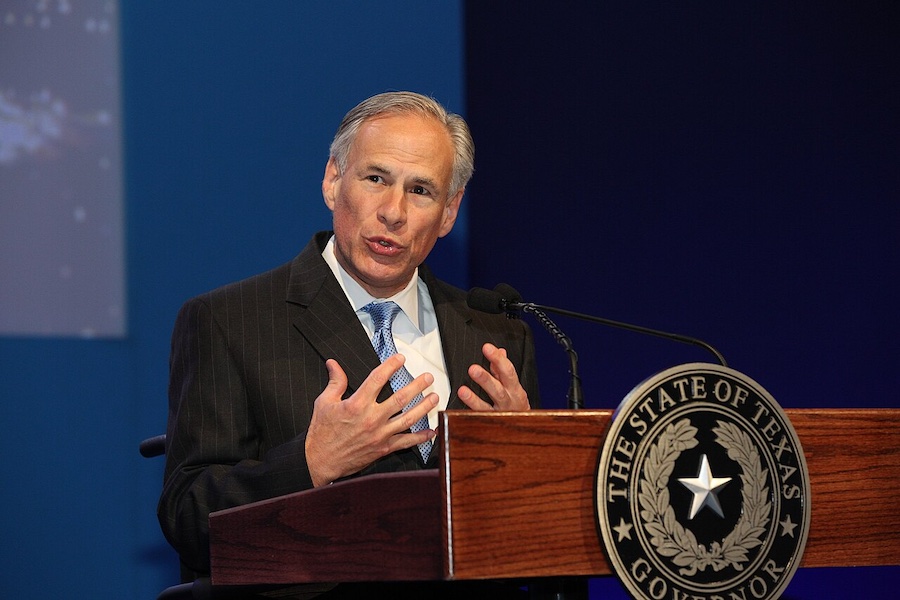
The Texas State House on Wednesday passed new congressional maps that will draw in five new majority-Republican districts, bringing a formal end to the weeks-long blockade from State House Democrats who fled the state in order to block a vote.
The Republican-controlled House passed the new boundaries by a vote of 88-52 immediately after absent Democrats returned. Republicans in the Texas Senate had already passed the maps, as Democrats did not control enough seats in order to disrupt quorum.
With Texas redistricting efforts officially moving forward, Republicans are almost certain to pick up five additional seats in next year’s midterm elections.
Texas Governor Greg Abbott instructed lawmakers to draw new maps as part of the state’s special legislative session. The Trump Administration had urged the Lone Star state to get to work on new maps after arguing that the current layout was unconstitutional due to the presence of race-based districts.
The U.S. Supreme Court last month announced that it will be hearing arguments in a Voting Rights Act case that could lead to the elimination of drawing districts on the basis of race. Justices previously ruled that such districts were necessary — leading to the creation of majority black, Democrat leaning districts in Alabama and Louisiana — though Justice Brett Kavanaugh left the door open to reversing the decision in his majority opinion.
If the high court does indeed eliminate race-based districts, it could lead to additional Republican pickups in Alabama, Georgia, Mississippi and Louisiana.
In an effort to block Texas’ redistricting efforts, State House Democrats fled the state in order to block a vote, which could not be taken unless two-thirds of House members were present. Abbott and Texas Attorney General Ken Paxton immediately took action to vacate the seats if necessary, while Paxton secured multiple legal rulings against groups controlled by failed gubernatorial candidate Beto O’Rourke.
O’Rourke’s organizations had been providing the absent lawmakers with funds for travel, lodging and other expenses, in addition to paying any fines incurred as a result of the stunt, until an Abbott-appointed judge blocked them from doing so.
Absent Democrats returned after California Governor Gavin Newsom unveiled a plan to “retaliate” against Texas Republicans by drawing in five additional Democrat-controlled seats.
Under the maps created by California’s “independent” redistricting commission, Republicans control just 17 percent of the state’s congressional districts despite the fact that 40 percent of voters went for President Donald Trump back in November. Under the new Texas maps, Democrats will control 21 percent of the available seats after receiving 42 percent of the vote.
Despite the fact that California is already severely gerrymandered, prominent Democrats like Newsom and former President Barack Obama have described giving Republicans eight percent of available House seats as an “acceptable” move.
Newsom’s plan will face an uphill battle, however, as California voters must agree to do away with the independent commission system at the ballot box this November. The plan will also require a constitutional amendment and will likely face additional legal challenges.
In addition to the real and potential hurdles, Newsom’s plan is underwater by 28 percentage points among California voters.
