
Politics
JUST IN: GOP Outrage After Key Politician Misses Critical Shutdown Vote
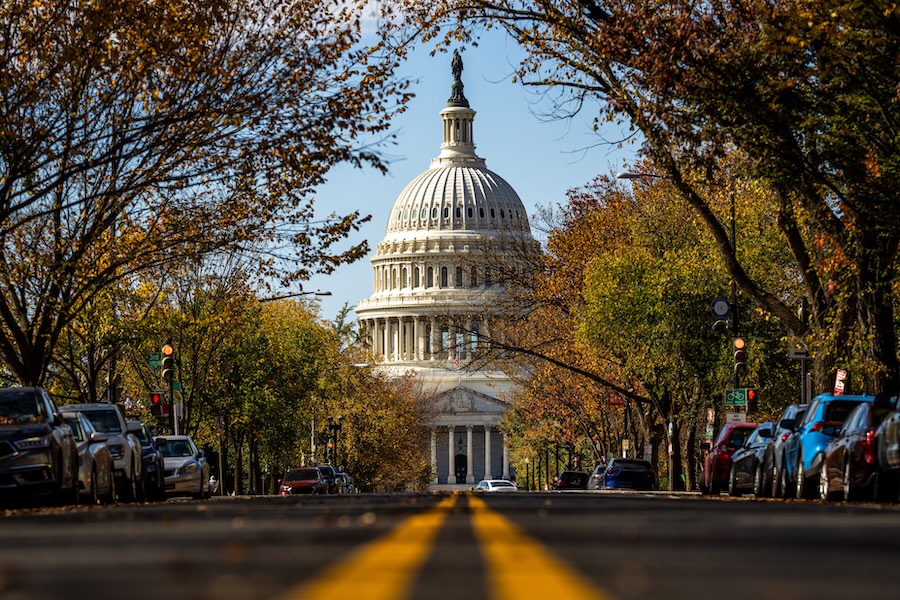
In a late-night vote that stretched into the early hours of Monday, the Senate once again found itself in chaos when Republican Sen. John Cornyn of Texas arrived late to the chamber and cast the pivotal 60th vote needed to advance a funding measure aimed at ending the shutdown.
His team attributed his delay to flight issues—causing fury among his GOP colleagues and raising fresh questions about leadership and preparedness.
On Sunday evening, the Senate convened to break a deadlock over funding the federal government and bring an end to what has already become the longest shutdown in U.S. history. After hours of procedural wrangling, the motion reached the 60-vote threshold necessary to move forward. Cornyn arrived just before 10 p.m., after more than two hours of waiting.
Cornyn’s office told reporters he was held up by flight delays related directly to the shutdown’s impact on travel infrastructure and air traffic. His staff also pointed the finger at Senate Democratic Leader Chuck Schumer (D-NY), claiming mismanagement by Democrats had disrupted travel and forced the late arrival.
On Sunday night, Sen. Cornyn arrived at the Capitol to cast the decisive vote that broke a Democratic filibuster and allowed the Senate to advance the continuing resolution to reopen the government. The chamber had been locked in a procedural standoff for hours as leaders waited for Cornyn’s return from Texas, where he had attended a Veterans Day event earlier in the day.
The delay drew criticism from conservative Republicans who said a senator of Cornyn’s seniority should have planned for contingencies. One prominent Texas Republican, Attorney General Ken Paxton, publicly chided Cornyn for lacking urgency and leadership in a crisis moment.
WATCH:
Applause and staff jumping into action when Sen. John Cornyn (R-TX) arrives in the Senate chamber to vote AYE, making it 60-40 for the shutdown deal. 10:48pmET. pic.twitter.com/FjoDRdCPDW
— Howard Mortman (@HowardMortman) November 10, 2025
“MIA: John Cornyn is all talk & no show,” Paxton wrote on X. “He loves to scold others for missing votes — but when Texans needed him most, he was no where to be found. Missing in action, missing in leadership, missing in courage. Texas deserves better. It’s time to send John home.”
His “yes” vote gave Republicans the critical 60th vote needed to invoke cloture and move the bill forward, effectively ending the blockade that had kept the government shut down for weeks. The vote had been held open for more than two hours as tensions mounted, with senators milling about the chamber unsure if the motion would succeed.
The timing was particularly awkward for Cornyn. He appeared to be under pressure in his home state of Texas, with poll numbers showing a closer-than-comfortable margin in a potential re-election fight ahead. From a legislative perspective, the late blessing of the motion complicates the messaging: while the vote to advance the bill succeeded, the very fact it hinged on such a tenuous moment gives fuel to those who say Congress is dysfunctional and unable to execute.
The funding deal now moves to the House of Representatives for final passage, but delays like this underscore the fragility of the agreement. Many lawmakers and observers say that if a single senator’s travel disruption can hold up a major vote, the risk of further flashpoints looms large.
The measure, known as the Continuing Appropriations and Extensions Act, 2026, provides temporary funding through late January and includes full-year appropriations for key agencies such as Veterans Affairs and Agriculture. Eight Democrats joined with Republicans to reach the threshold, ensuring the bill’s progress toward final passage.
While the vote doesn’t end the shutdown by itself, it marks the first major breakthrough in weeks of gridlock and gives Congress a path forward to restore government operations.
