
Politics
NEW: Somalia Assumes Presidency Of UN Security Council
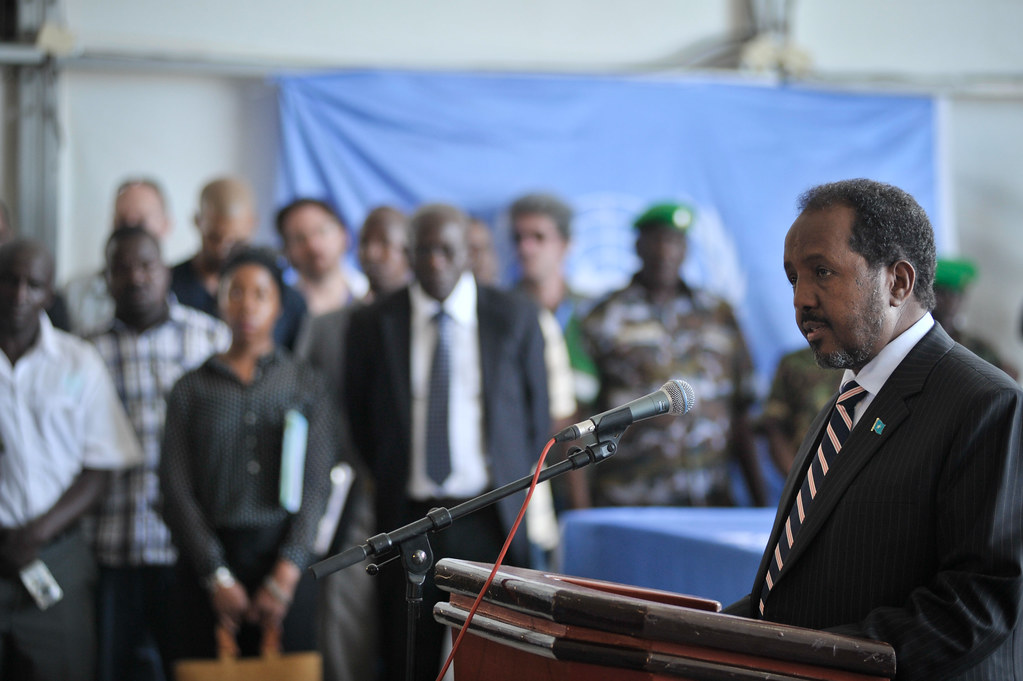
Effective New Year’s Day, Somalia took over the rotating presidency of the United Nations Security Council for the month.
As president, Somalia will guide the council’s activities during a period when global security issues, including conflicts in the Middle East and Africa, remain prominent. The East African nations fragile government was previously elected as a non-permanent member for a two-year term beginning in 2025.
The United Nations Security Council is one of the six principal organs of the United Nations, established in 1945 under the UN Charter. Its primary responsibility is to maintain international peace and security.
The council consists of five permanent members in China, France, Russia, the United Kingdom, and the United States. Each permanent member holds veto power over substantive resolutions.
Ten non-permanent members elected by the general assembly for staggered two-year terms then fill out the rest of the body.
The council operates through meetings held at UN headquarters in New York, where members discuss and vote on resolutions. It can impose sanctions, authorize peacekeeping missions, establish tribunals, and recommend military action in response to threats to peace, breaches of peace, or acts of aggression.
Decisions on substantive matters require at least nine affirmative votes, including concurrence from all permanent members, meaning any one of them can block a resolution with a veto. Procedural matters, however, do not require permanent member agreement.
The council meets as needed, often in closed consultations or public sessions, and its work is supported by committees, working groups, and subsidiary bodies focused on specific issues like counter-terrorism or sanctions enforcement.
The rotating presidency system assigns the role to each of the 15 members in turn for one month at a time, following the English alphabetical order of their country names. The presidency does not grant additional powers or veto rights but involves administrative and facilitative responsibilities.
The president government does, however, set agendas for meetings, presides over sessions, coordinates consultations, and represents the council in communications with other UN bodies, member states, and the media. If a vote is needed, the president calls for it and announces the results.
During its January presidency, Somalia will manage the council’s regular schedule, which typically includes briefings on ongoing peacekeeping operations, regional conflicts, and thematic issues such as women, peace, and security or climate-related threats. Somalia is expected to chair debates on matters like the situation in the Horn of Africa, counter-terrorism efforts against groups like al-Shabaab, and the transition of the African Union mission in Somalia to a new stabilization force.
Somalia replaces Slovenia, which held the presidency in December 2025. Following Somalia, the United Kingdom will assume the role in February 2026.
Some prominent Republican politicians have expressed criticism regarding Somalia’s role and governance. President Donald Trump recently described Somalia as a “failed state with no government or safety” and stated it “is considered by many to be the worst country on earth.”
RELATED: Blue State Suspends Payments To Somali ‘Charity’ After More Fraud Is Discovered
