
Politics
JUST IN: Supreme Court Sides With GOP Congressman, Issues Major Ruling On Mail-In Voting
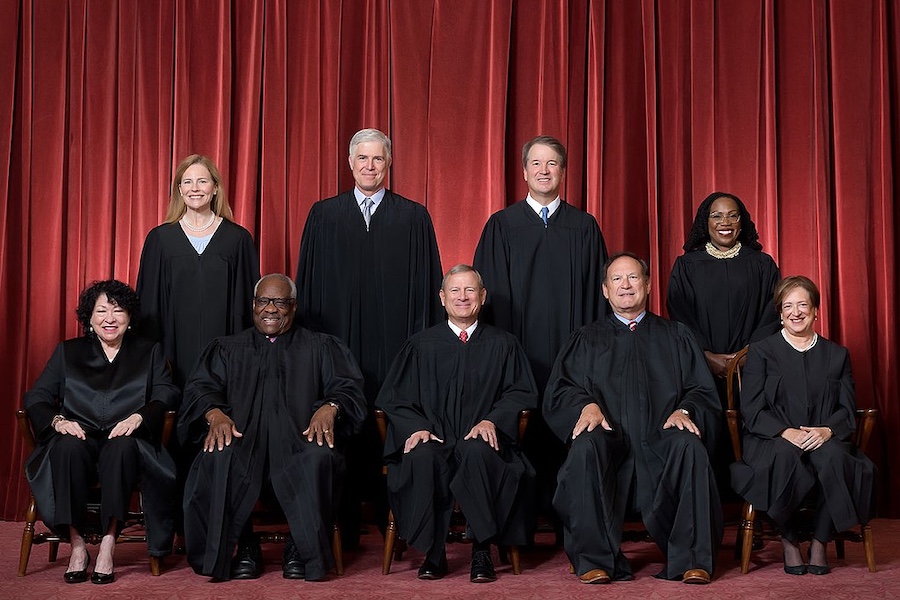
The Supreme Court on Wednesday revived a lawsuit brought by an Illinois Republican congressman challenging the state’s mail-in ballot rules, a ruling that could make it easier for political candidates nationwide to sue over election laws in their home states.
In a 7-2 decision, the justices ruled that Rep. Mike Bost (R-Ill.) has the legal standing to challenge Illinois’ practice of counting mail-in ballots received after Election Day, a system long criticized by President Trump and his allies.
Chief Justice John Roberts authored the majority opinion, joined by five conservatives and Justice Elena Kagan. Justices Sonia Sotomayor and Ketanji Brown Jackson dissented.
“Candidates, in short, are not ‘mere bystanders’ in their own elections,” Roberts wrote. “They have an obvious personal stake in how the result is determined and regarded.”
The court did not weigh in on whether Illinois’ ballot-counting policy is lawful. Lower courts had tossed Bost’s case after concluding the disputed ballots were unlikely to affect the outcome of his own race.
By allowing the suit to move forward, the high court may have opened the door for candidates across the political spectrum to challenge election rules in court.
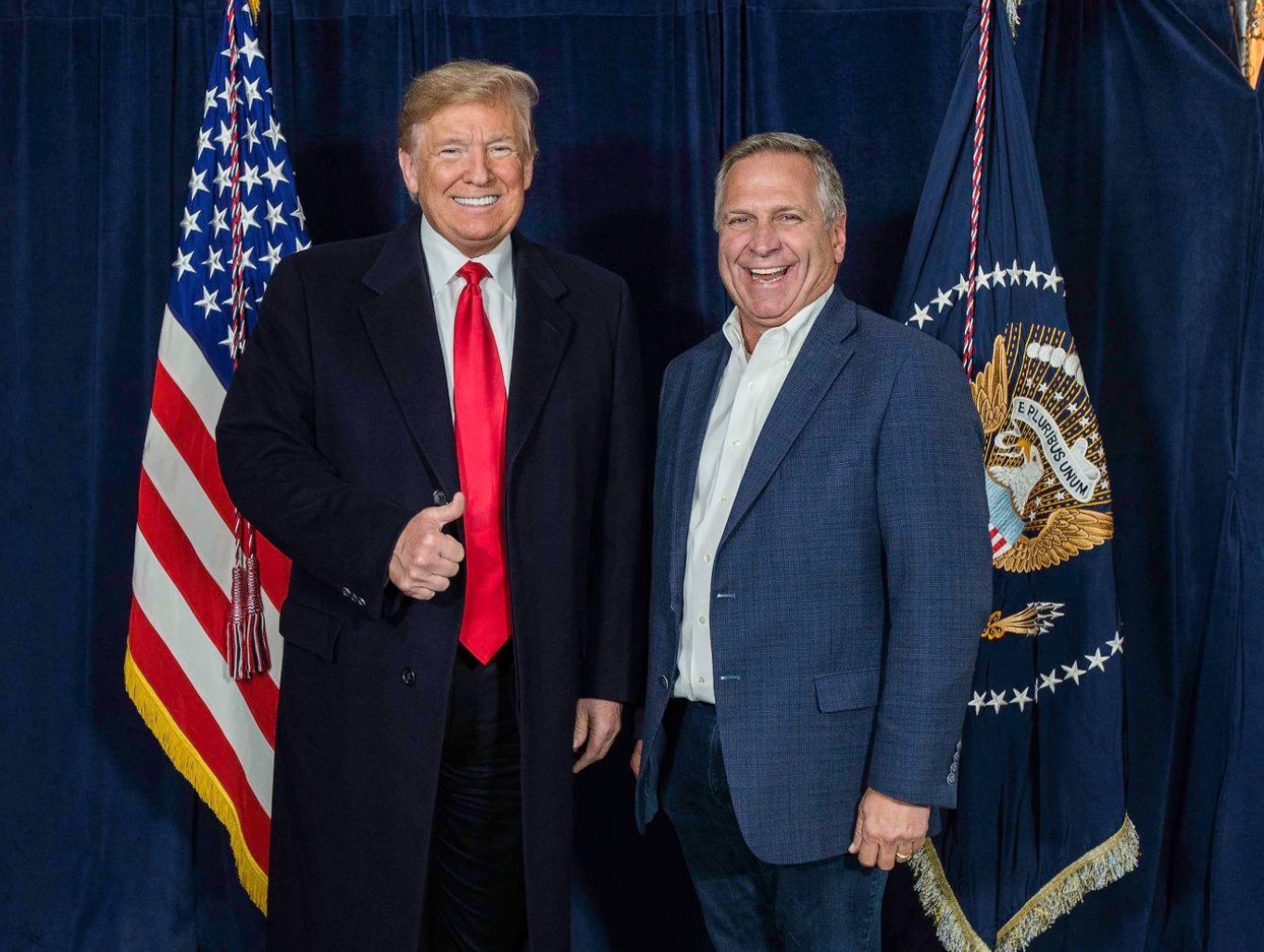
Mike Bost (R-IL) with President Donald Trump. (Bost for Congress site)
Illinois warned the justices that siding with Bost would invite “chaos” for election officials. More than a dozen states, along with the District of Columbia, allow mail-in ballots to be counted after Election Day if they are postmarked or certified before polls close.
Jackson blasted the ruling as a “dubious departure from settled law” in a dissent joined by Sotomayor. She said the Constitution requires plaintiffs to show a concrete “personal stake” and accused the majority of discarding that standard for political candidates.
“(The court) declares that all candidates have standing to challenge election regulations in light of their interest in a ‘fair process,’” Jackson wrote. “No matter that, in a democratic society like ours, the interest in a fair electoral process is common to all members of the voting public. The Court thus ignores a core constitutional requirement while unnecessarily thrusting the Judiciary into the political arena.”
She warned that relaxing the standing rules “opens the floodgates” to “troubling election-related litigation.”
Roberts pushed back, arguing there is little reason to expect a wave of frivolous lawsuits. He wrote that it is “neither clear why candidates would waste their resources in this way nor on what basis in federal law such suits could be brought.”
He added in a footnote that the decision is narrowly limited to candidates challenging rules governing vote counting in their own elections.
Bost argued that the fallout from the 2020 presidential election led courts to restrict candidates’ ability to challenge election rules. Trump falsely claimed widespread fraud after losing that race to former President Joe Biden.
Justices Amy Coney Barrett and Kagan filed a concurring opinion agreeing with the outcome but not the majority’s reasoning.
They said Bost has standing because of a “traditional pocketbook injury” from the cost of paying poll watchers to monitor post-election ballot counting and challenge questionable votes, not simply because he is a candidate.
The Trump administration backed Bost. Trump signed an executive order in March seeking to require all votes to be “cast and received” by Election Day, though the order is being challenged in court.
Two of Trump’s 2020 Illinois presidential electors, Laura Pollastrini and Susan Sweeney, sued the state alongside Bost in May 2022. All three are represented by the conservative group Judicial Watch.
The court noted in a footnote that because only one plaintiff needs standing for a case to proceed, it did not decide whether Pollastrini and Sweeney have standing as prospective electors.
Bost was first elected to the House in 2014, represents southern Illinois, and currently chairs the House Veterans’ Affairs Committee.
Download the FREE Trending Politics App to get the latest news FIRST >>
