
Politics
OUTRAGE: Lone GOP Senator Breaks Ranks On SAVE Act With ‘NAY’ Vote
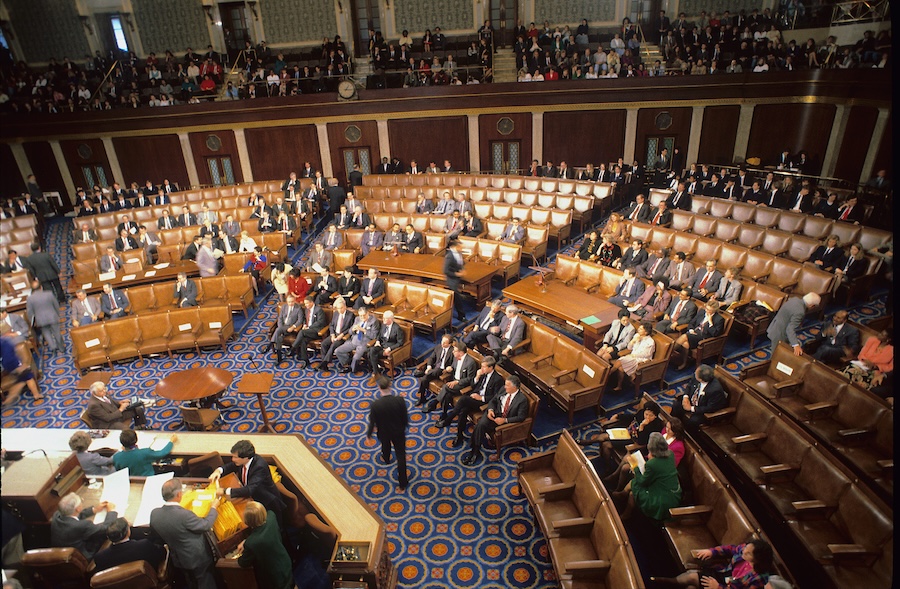
The Senate’s push to advance the SAVE America Act hit an unexpected flashpoint Tuesday when one Republican senator broke ranks and voted against moving the bill forward, drawing swift backlash from conservatives who see the legislation as central to election integrity.
The procedural vote passed 51–48, allowing debate on the bill to begin, but the lone GOP opposition immediately stood out. The senator in question, Lisa Murkowski of Alaska, was the only Republican to vote “no,” a move that quickly sparked frustration among conservative voters—especially given that her state backed President Donald Trump by a double-digit margin in the 2024 election.
Sen. Murkowski’s vote against advancing the SAVE Act isn’t an isolated break from her party—it’s part of a long, well-established pattern that has defined her time in the Senate. For years, Murkowski has positioned herself as one of the most independent Republicans in Washington, frequently siding against GOP leadership on high-stakes votes.
She was one of the few Republicans who voted to convict President Trump during his second impeachment trial in 2021. Years earlier, she played a pivotal role in sinking the Republican effort to repeal Obamacare, joining a small group of GOP senators who ultimately blocked the legislation.
She also broke ranks during the confirmation battle over Supreme Court Justice Brett Kavanaugh, declining to support the nominee in a vote that drew national attention. More recently, Murkowski has continued to distance herself from the party on key issues, at times even aligning with Democrats on spending and policy disputes.
🚨 BREAKING: Sen. Lisa Murkowski (R-AK) just VOTED ‘NAY’ on advancing the SAVE America Act
This “Republican” represents a state that Donald Trump won by 13 POINTS in 2024
What a massive betrayal. Murkowski is protecting Democrat fraudsters! pic.twitter.com/uoLVvYlDuX
— Eric Daugherty (@EricLDaugh) March 17, 2026
This consistent willingness to oppose her own party—especially on major, politically charged legislation—has made Murkowski a unique figure within the GOP. Her “no” vote on the SAVE America Act follows a familiar script rather than marking a sudden departure.
The SAVE America Act would require proof of U.S. citizenship to register for federal elections, implement stricter voter ID requirements, and expand federal involvement in maintaining voter rolls. Supporters argue the bill is a necessary step to restore confidence in elections and prevent unlawful voting.
The vote marks a key moment for Senate Republicans, who have been under increasing pressure from Trump and conservative voters to prioritize election-related legislation. GOP leaders have already signaled their next move: a prolonged floor debate designed to keep the issue in the spotlight and force Democrats to publicly defend their opposition.

WASHINGTON, DC – May 2, 2024: U.S. Sen. Lisa Murkowski (R-Alaska) speaks outside the Capitol.
That debate could stretch for days or longer, as Republicans look to build momentum around an issue they believe resonates strongly with the public. Polling has consistently shown broad support for voter ID laws and citizenship verification requirements, fueling GOP confidence even as the bill faces significant hurdles in the Senate.
Despite clearing this initial step, the path forward remains uncertain. While Republicans secured the simple majority needed to advance the bill, final passage would likely require 60 votes under current Senate rules, meaning Democratic support would be necessary unless those rules are changed.
Democrats have pushed back forcefully against the proposal, arguing that documentation requirements could create barriers for certain voters, including those who may not have immediate access to passports or birth certificates. Republicans counter that such measures are common-sense safeguards aimed at ensuring only eligible citizens participate in federal elections.
The divide has turned the SAVE America Act into a defining political battle heading toward the 2026 midterms, with both parties framing the issue as critical to the future of U.S. elections. For now, Republicans have succeeded in bringing the bill to the Senate floor.
