
Politics
JUST IN: SCOTUS Appears Likely To Deliver Major Victory On Mail-In Ballots
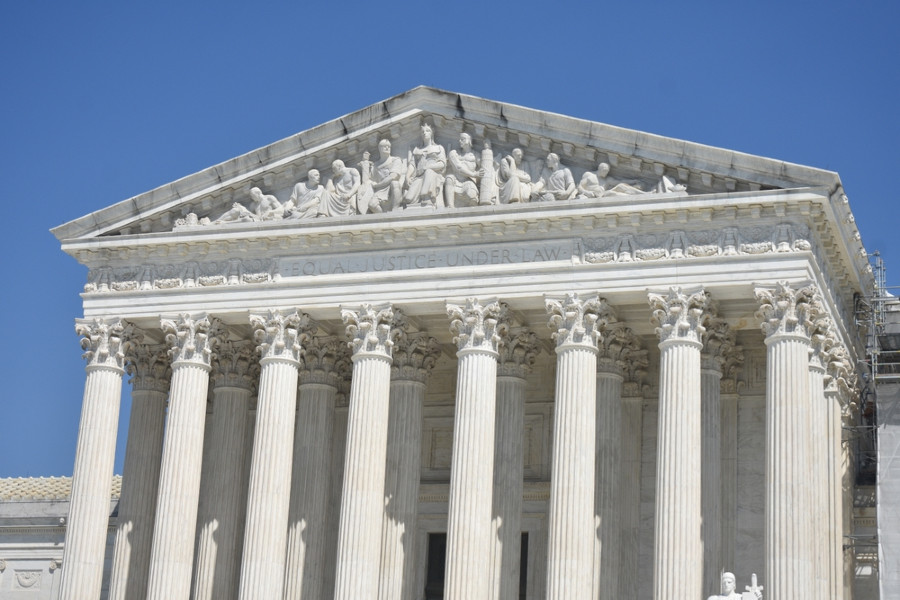
The Supreme Court’s conservative majority signaled skepticism Monday toward state laws that allow late-arriving mail ballots to be counted, taking aim at a practice long criticized by President Donald Trump.
The justices heard arguments in a case out of Mississippi that could have nationwide consequences, potentially affecting voters in 13 states and the District of Columbia that permit grace periods for mailed ballots. Another 15 states with more lenient deadlines for military and overseas ballots could also be impacted.
A ruling is expected by late June, giving states limited time to adjust ahead of the 2026 midterm elections.
At issue is whether federal law establishes a single Election Day that requires ballots to be both cast and received by that date, or whether states can continue counting ballots that arrive after Election Day as long as they were sent on time.
The challenge is part of a broader push by Trump and his allies to rein in mail voting, which he has repeatedly argued invites fraud.
During oral arguments, several conservative justices appeared receptive to those concerns. Justices Samuel Alito and Brett Kavanaugh raised questions about the potential for “rigged elections” or fraudulent ballots arriving after Election Day.
The court’s liberal justices signaled the opposite view, emphasizing that states have long held authority over administering elections and setting ballot deadlines.
ALSO TRENDING IN ‘ELECTIONS’: SAVE America Act Greenlit By Senate
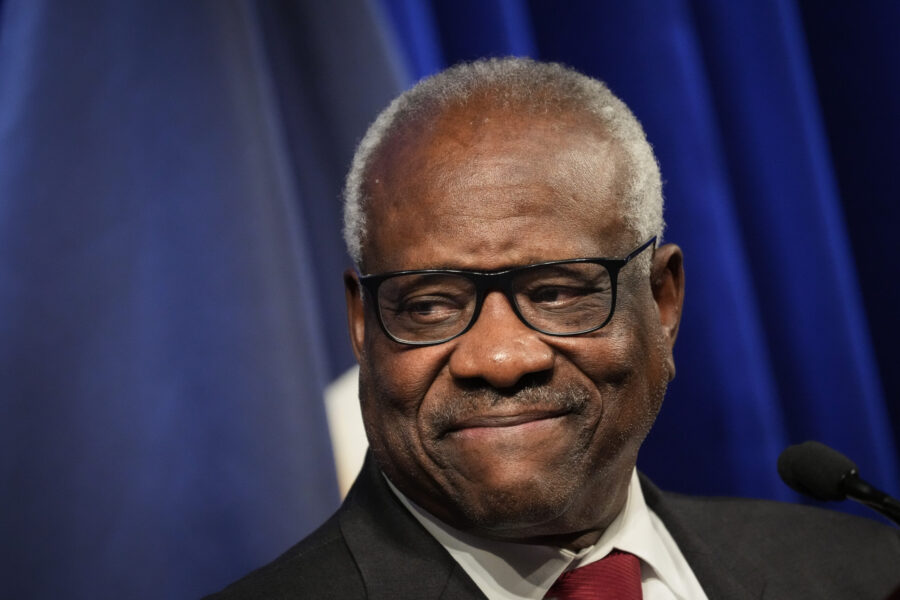
Associate Supreme Court Justice Clarence Thomas speaks at the Heritage Foundation
If the court strikes down these grace periods, election officials in multiple states could be forced to overhaul their systems on short notice, with absentee ballots set to be distributed in the coming months.
The case could reshape how ballots are counted nationwide, carrying major implications for control of Congress in 2026.
The legal fight also lands as Republicans in Congress continue to push the SAVE America Act, legislation aimed at tightening voter registration requirements by mandating proof of U.S. citizenship. Supporters argue the measure would strengthen election integrity, while critics warn it could make it harder for eligible voters to register.
Taken together, the Supreme Court case and the SAVE Act reflect a broader national battle over how elections are run, with both sides digging in ahead of another high-stakes midterm cycle.
Download the FREE Trending Politics App to get the latest news FIRST >>
