
Politics
House Republicans Turn Up Heat On Newsom In Massive Hospice Fraud Probe
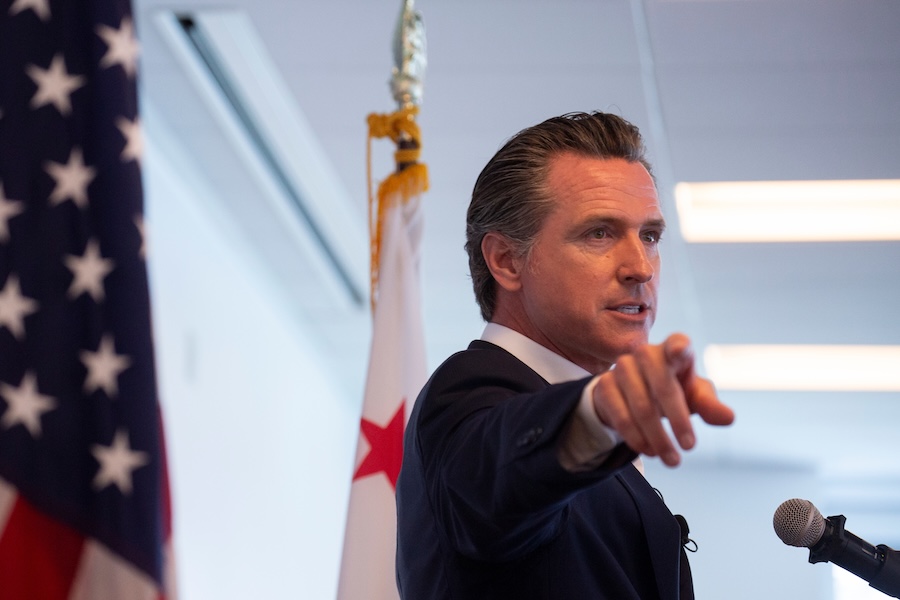
House Republicans are turning up the heat on California Gov. Gavin Newsom, launching a sweeping investigation into widespread fraud and abuse in the state’s hospice care system, according to a letter sent Monday by the House Committee on Oversight and Government Reform.
The letter, addressed directly to Newsom, paints a troubling picture of a system plagued by weak oversight, skyrocketing provider growth, and alleged exploitation of vulnerable patients. Lawmakers are now demanding a range of documents and communications from multiple California agencies as part of the probe.
At the center of the investigation is a “well-documented history” of fraud in California’s federally funded hospice programs. State officials have been aware of credible fraud concerns for at least four years but failed to implement sufficient safeguards to stop it.
One of the most alarming findings cited by lawmakers is the explosive growth of hospice providers in Los Angeles County. Since 2010, the number of providers has surged by roughly 1,500 percent, reaching more than 2,800 statewide. That figure far exceeds national averages and even surpasses the total number of providers in dozens of other states combined.
With that growth has come a dramatic spike in billing. While the national average for hospice care sits around $13,200 per patient annually, Los Angeles County providers are billing closer to $29,000 per patient. In some cases, providers reportedly billed as much as $74,000 per patient, raising serious concerns about abuse of the Medicare system.
Republicans also pointed to evidence of coordinated schemes involving shared resources and questionable billing practices. In one example, 18 hospice providers allegedly used a single doctor’s Medicare number to submit tens of thousands of claims, totaling nearly $600 million over a three-year period.
The letter describes additional red flags, including multiple hospice agencies operating out of the same address, unusually low patient counts, and cases where patients listed as terminally ill were later discharged alive. Lawmakers argue these patterns suggest systemic failures in oversight and enforcement.
Even more troubling are allegations from whistleblowers, who claim that California’s licensing system is so lax that individuals living overseas can obtain hospice licenses. The letter also alleges that fraudsters have recruited seniors into hospice programs, sometimes without their knowledge, in exchange for kickbacks, using their Medicare information for profit.
The financial scope of the problem could be massive. According to estimates, Los Angeles County alone may account for $3.5 billion in hospice fraud, representing roughly 18 percent of all hospice billing nationwide.
California Attorney General Rob Bonta has previously referred to hospice fraud in the state as “an epidemic,” a characterization Republicans are now using to argue that stronger oversight is long overdue.
The Oversight Committee is requesting detailed records dating back to 2019, including communications between the governor’s office and state health agencies, audit reports, complaint data, and information on investigations and prosecutions tied to hospice providers.
Lawmakers are also drawing comparisons to similar fraud scandals in other states, including Minnesota, where failures in oversight led to billions in losses. They argue that California may be facing a comparable crisis if immediate action is not taken.
The letter sets a deadline of April 6, 2026, for the requested materials, signaling that the investigation is moving quickly and could expand further depending on what investigators uncover. For now, Republicans are making clear they see this as more than just a bureaucratic issue.
