
Politics
Israel Blamed For Strait Of Hormuz Closure After Jaw-Dropping Strikes On Lebanon
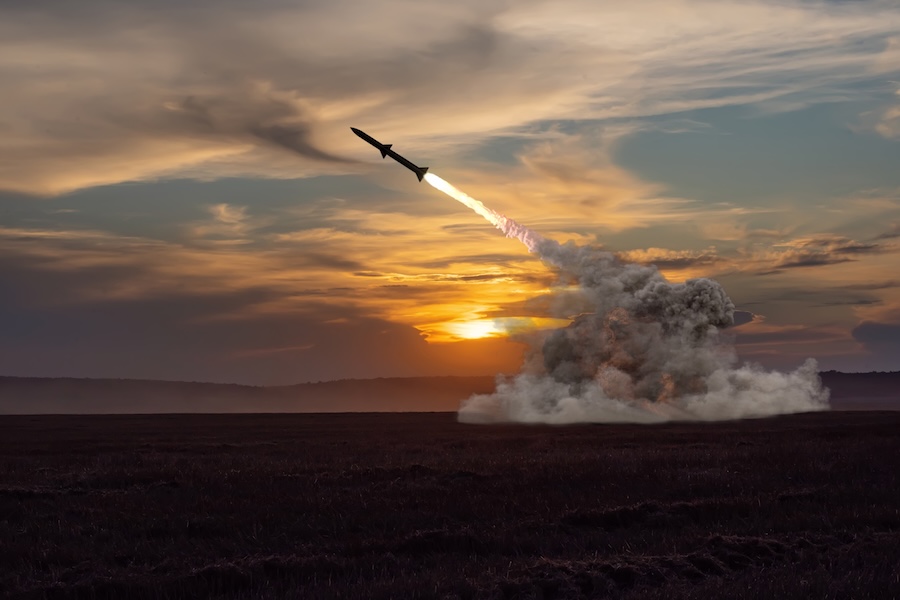
A fragile pause in Middle East tensions is already unraveling after Iran moved to restrict traffic through the Strait of Hormuz, blaming Israel’s aggressive military campaign against Hezbollah in Lebanon for the escalation.
Iranian state media signaled that the critical shipping lane is once again under tight control, with warnings that vessels must coordinate with Iranian forces or risk being targeted. The move threatens to choke off one of the world’s most important energy corridors just days after a U.S.-brokered pause in hostilities was announced.
The Strait of Hormuz, which carries a significant portion of global oil and natural gas shipments, has long been viewed as a pressure point in any conflict involving Iran. Now, that pressure is being applied again.
At the center of the latest flare-up are Israel’s strikes in Lebanon, which Iranian officials say cannot be separated from the broader regional conflict. Israeli forces have continued pounding Hezbollah-linked targets, including strikes in and around Beirut, despite the temporary pause tied to U.S.-Iran tensions.
🚨 BREAKING: Iran SHUTS DOWN the Strait of Hormuz, state media says, blaming Israel for relentlessly attacking Hezbollah in Lebanon
Iran is THREATENING to resume hostilities.
President Trump is watching closely and we’re about to find out how long this lasts pic.twitter.com/0L3tGhrDbO
— Eric Daugherty (@EricLDaugh) April 8, 2026
Iranian leaders have made clear that continued Israeli operations against Hezbollah could trigger a wider response, and the renewed restrictions in the Strait of Hormuz appear to be the first major signal of that shift. Officials warned that the ceasefire framework would be at risk if what they described as “relentless” attacks in Lebanon do not stop.
Israel, however, has shown no indication it plans to scale back. Israeli officials have argued that operations against Hezbollah are separate from any U.S.-Iran understanding and remain necessary for national security. That disconnect is now threatening to collapse the broader de-escalation effort before it has time to take hold.
President Donald Trump, who announced a two-week pause on U.S. military action against Iran, is closely monitoring the situation as tensions spike again. The pause was intended to open a window for diplomacy and prevent a wider regional war, but developments over the past 24 hours have cast serious doubt on how long that window will remain open.
Behind the scenes, U.S. officials are weighing next steps as shipping disruptions begin to ripple through global markets. Oil tankers have already started backing up in the Gulf, and any prolonged restriction could send energy prices sharply higher again after a brief dip following the ceasefire announcement.
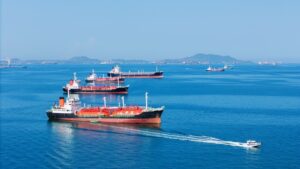
LPG gas and oil tanker ships anchored in the ocean, with a fast patrol boat in the foreground. Global energy transport, war energy crisis.
The Strait of Hormuz is a strategic lifeline, and any sustained closure raises the risk of direct confrontation between Iranian forces and Western or allied naval assets tasked with keeping the route open.
Meanwhile, Iran is signaling that this may only be the beginning. Officials have warned that if Israeli strikes continue, Tehran could take further action, including walking away from the ceasefire entirely and resuming broader hostilities.
