
Politics
Iran Threatens U.S. As Israel Strikes Hezbollah Targets In Lebanon
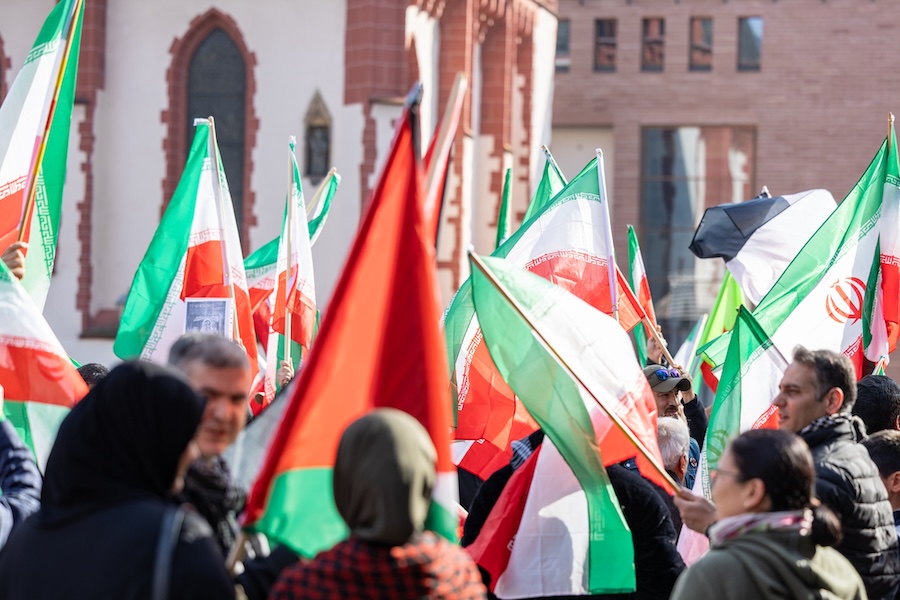
Iran is warning that upcoming negotiations with the United States could fall apart before they even begin, as tensions flare once again in the Middle East following continued Israeli military action in Lebanon.
Iranian President Masoud Pezeshkian delivered a blunt message Thursday, saying planned talks with the U.S. scheduled for Saturday would be “meaningless” if Israel continues its strikes against Hezbollah targets. The warning comes just days after a fragile ceasefire was announced, raising fresh doubts about whether diplomacy can hold.
In a statement posted on X, Pezeshkian accused Israel of undermining the agreement and acting in bad faith.
“The repeated aggression by the Zionist entity against Lebanon is a flagrant violation of the initial ceasefire agreement and a dangerous indicator of deceit and lack of commitment to potential accords,” he wrote.
He went further, signaling Tehran is prepared to escalate if conditions don’t change.
“The continuation of these aggressions will render negotiations meaningless; our hands will remain on the trigger, and Iran will never abandon its Lebanese brothers and sisters,” he added.
🚨 JUST IN: Iran claims to mediators it will LIMIT Strait of Hormuz tanker traffic to roughly a DOZEN per day, and they’d have to coordinate with the IRGC
A “HANDFUL” of tankers have sailed through the Strait of Hormuz since the Iranian ceasefire began
JD Vance is leading… pic.twitter.com/ZuRFZGhr7Z
— Eric Daugherty (@EricLDaugh) April 9, 2026
The warning injects new uncertainty into an already delicate diplomatic effort. The United States and Iran are currently operating under a temporary ceasefire brokered after weeks of escalating conflict involving U.S., Israeli, and Iranian forces. The agreement was intended to create space for negotiations and prevent further military escalation, but events on the ground are moving faster than the diplomacy.
Israel has continued targeting positions in Lebanon linked to Hezbollah, the Iran-backed group that has long been central to the region’s proxy conflicts. Israeli officials have defended the strikes as necessary for national security, particularly in response to threats along its northern border. Iran, however, is framing the attacks as a direct challenge to the ceasefire and a sign its adversaries are not serious about peace.
That divide is now spilling into the agreement. U.S. officials maintain the ceasefire does not extend to Israel’s operations in Lebanon, exposing a key disagreement in how the deal is being interpreted. Meanwhile, violence on the ground has continued, with reports of rocket fire and ongoing airstrikes raising concerns the situation could spiral further.
The two-week pause, brokered with help from Pakistan, was also tied to reopening the Strait of Hormuz, a critical artery for global energy shipments. But Iran has signaled it may tighten control over the passage, suggesting it is willing to apply economic pressure if tensions escalate.
In a Truth Social post, Trump said American military assets will stay in the region until Iran fully complies with the deal brokered with the United States.
“All U.S. Ships, Aircraft, and Military Personnel, with additional Ammunition, Weaponry … will remain in place in, and around, Iran, until such time as the REAL AGREEMENT reached is fully complied with,” Trump said on his Truth Social platform.
The president then issued a blunt warning about what would happen if Iran backs out.
“If for any reason it is not, which is highly unlikely, then the ‘Shootin’ Starts,’ bigger, and better, and stronger than anyone has ever seen before,” the president added.
With both sides issuing warnings and military activity continuing, the ceasefire is already showing signs of strain—leaving negotiations hanging in the balance.
RELATED: FBI Announces Arrest In Connection With Pentagon Leaks
