
Politics
3,200 Ships Line Up To Cross Strait Of Hormuz
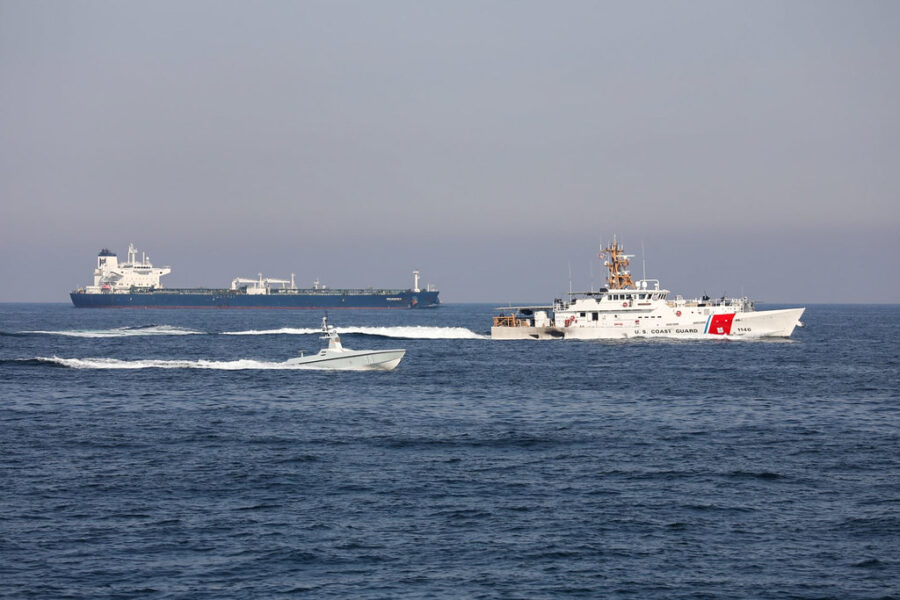
Oil traffic through the Strait of Hormuz remains largely frozen despite a U.S.-brokered ceasefire that was supposed to reopen the vital shipping lane, fueling new questions about whether Iran is honoring one of the deal’s key terms.
A backlog of roughly 3,200 vessels, including about 800 tankers and cargo ships, has piled up west of the strait as operators wait for confirmation that passage is safe.
No oil tankers have attempted the route in recent days, according to Matt Smith, an analyst at Kpler, a global commodities data firm.
“We’re not seeing any, any, any oil products passing through there,” Smith said. “So, for all intents and purposes, the strait remains closed. And this is the leverage that Iran has.”
Only three vessels moved through the strait on Thursday, Smith said, including two Iranian-flagged ships and one dry bulk carrier.
President Donald Trump blasted Tehran over the continued disruption on Thursday.
“Iran is doing a very poor job, dishonorable some would say, of allowing Oil to go through the Strait of Hormuz. That is not the agreement we have!” Trump warned.
Nearly 20,000 mariners have effectively been stranded in the Persian Gulf during the crisis, according to the International Maritime Organization.
Shipping data from Windward AI shows that just one Sri Lanka-flagged vessel entered the strait Wednesday, while four dry bulk carriers and one Iranian ship exited.
The few vessels still making the trip are reportedly hugging a corridor near Iran’s Larak Island instead of using standard commercial lanes, with some ships turning off tracking systems while passing through.
RELATED: Trump Issues Ominous Threat To Iran As Islamic Regime Refuses To Open Strait Of Hormuz
Meanwhile, companies are increasingly rerouting cargo through ports in Oman and along the eastern coast of the United Arab Emirates, adding as much as two weeks to some shipping routes and driving costs up roughly 25%.
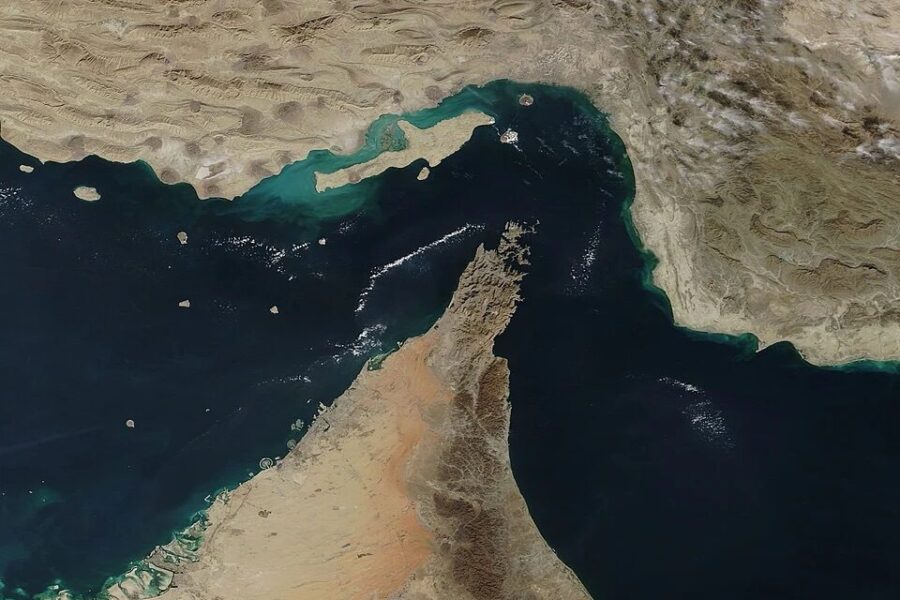
Strait of Hormuz
Iran is also reportedly demanding fees from ships allowed to pass.
“The Strait is effectively under full IRGC control. They decide who gets to go through, but more importantly, who doesn’t,” an Israeli intelligence official told Fox News.
The slowdown comes despite Trump previously saying the ceasefire required “Iran agreeing to the COMPLETE, IMMEDIATE, and SAFE OPENING of the Strait of Hormuz.”
RELATED: Trump Issues Ominous Threat To Iran As Islamic Regime Refuses To Open Strait Of Hormuz
Though the ceasefire has halted U.S. military strikes for now, normal shipping has yet to resume, highlighting the disconnect between the diplomatic agreement and the reality on the ground.
Roughly 20% of the world’s oil supply normally moves through the strait, making the waterway one of the most critical energy chokepoints on the planet.
Analysts say commercial shippers are unwilling to gamble on a fragile ceasefire alone.
“We don’t know whether the Strait of Hormuz is mined. Even if it isn’t, the risk of being hit by a missile or a drone is a big enough deterrent,” Smith said. “No one’s willing to take the chance.”
Smith added that insurance issues are also preventing movement, even for companies willing to risk the trip.
War-risk insurance remains available in limited cases, but premiums have surged and restrictions have tightened.
Sultan Al Jaber, head of the Abu Dhabi National Oil Company, warned Thursday that the situation remains dire.
“This moment requires clarity. So let’s be clear: the Strait of Hormuz is not open.”
RELATED: Trump Issues Ominous Threat To Iran As Islamic Regime Refuses To Open Strait Of Hormuz
“Access is being restricted, conditioned and controlled,” he said. “Iran has made clear — through both its statements and actions — that passage is subject to permission, conditions and political leverage.”
According to the Financial Times, Iran is also demanding a toll of $1 per barrel of oil carried by transiting vessels, payable in cryptocurrency.
Iranian state media said Wednesday the regime was keeping the Strait closed in response to continued Israeli strikes on Hezbollah in Lebanon, which U.S. officials say were not covered under the ceasefire arrangement.
Still, Vice President JD Vance and President Donald Trump have said Israel is expected to reduce operations in Lebanon to preserve the truce.
Despite the ongoing standoff, top U.S. and Iranian officials are scheduled to meet Saturday in Pakistan for talks aimed at negotiating a permanent ceasefire.
Download the FREE Trending Politics App to get the latest news FIRST >>
