
Politics
‘FALSE’: U.S. Responds After Iran Makes Bold Claim Ahead Of High Stakes Peace Talks
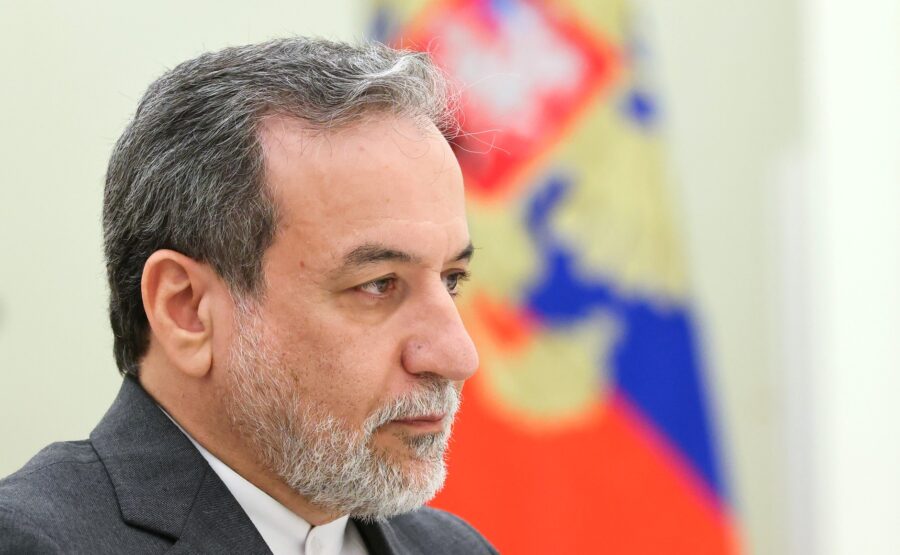
The U.S. has denied claims that a major concession had already been made to the Iranian regime ahead of this weekend’s high stakes peace talks in Islamabad, Pakistan.
On Friday, a senior Iranian source told Reuters that the United States had agreed to release Iranian frozen assets held in Qatar and other foreign banks. The source, who spoke on the condition of anonymity, described the move as a sign of “seriousness” in reaching a deal with Washington.
The source added that unfreezing the assets was one of Iran’s demands conveyed to the U.S. side and that Tehran had received a U.S. agreement on the matter. A second Iranian source specified that the amount purportedly involved was $6 billion.
The Iranian source linked the asset release directly to ensuring safe passage through the Strait of Hormuz, which is expected to feature prominently in the discussions.
Iran’s parliament speaker, Mohammad Baqer Ghalibaf, later stated on X that two conditions — unfreezing assets frozen because of ongoing U.S. and global sanctions and reaching a ceasefire in Lebanon — had already been agreed upon with the United States. He indicated that the talks would not begin until these conditions were fulfilled.
Not long after, the United States promptly rejected these claims. “False. The meetings have not even started yet,” a White House official told Fox News on the condition of anonymity.
The U.S. delegation, U.S. Vice President JD Vance, White House Special Envoy to the Middle East Steve Witkoff, and White House envoy Jared Kushner have now arrived in Pakistan for the U.S.-Iran ceasefire talks that will be held in Islamabad. pic.twitter.com/M2wUoF5TmN
— OSINTdefender (@sentdefender) April 11, 2026
This weekend’s talks in Islamabad are the first direct or mediated discussions between the U.S. and Iranian delegations since a two-week ceasefire took effect. Pakistan is hosting the meetings, which follow weeks of third party mediation on behalf of the Pakistani government.
The U.S. delegation is led by Vice President JD Vance and includes Special Envoy Steve Witkoff and Jared Kushner. The Iranian side is headed by Parliament Speaker Mohammad Bagher Ghalibaf and Foreign Minister Abbas Araghchi.
Both delegations met with Pakistani Prime Minister Shehbaz Sharif, though Iran and the U.S. will not be meeting directly. The two sides will be seated in different locations, with Pakistan mediating all talks.
The agenda centers on converting the temporary ceasefire into a more durable arrangement, with key issues including safe passage through the Strait of Hormuz, regional de-escalation, and broader elements of a potential peace agreement. Details on the preconditions of a lasting deal remain limited, while both sides have disputed reports concerning the framework.
President Donald Trump has publicly outlined U.S. expectations for any deal and described Iran’s proposals as a “workable basis to negotiate.”
Trump has emphasized that the agreement must prevent Iran from acquiring nuclear weapons, stating on multiple occasions that this is a red line. “There will be no enrichment of Uranium, and the United States will, working with Iran, dig up and remove all of the deeply buried (B-2 Bombers) Nuclear ‘Dust,'” the president wrote in a Truth Social post.
Trump has also indicated that the Strait of Hormuz should open automatically as part of normalized shipping and that sanctions relief and tariffs could be discussed if core security objectives are met.
RELATED: Saudi Arabia, Iran Hold First Direct Talks Since Conflict Began
