
Politics
NEW: Iran Moves To Close Strait Of Hormuz Just Hours After Deal Announcement
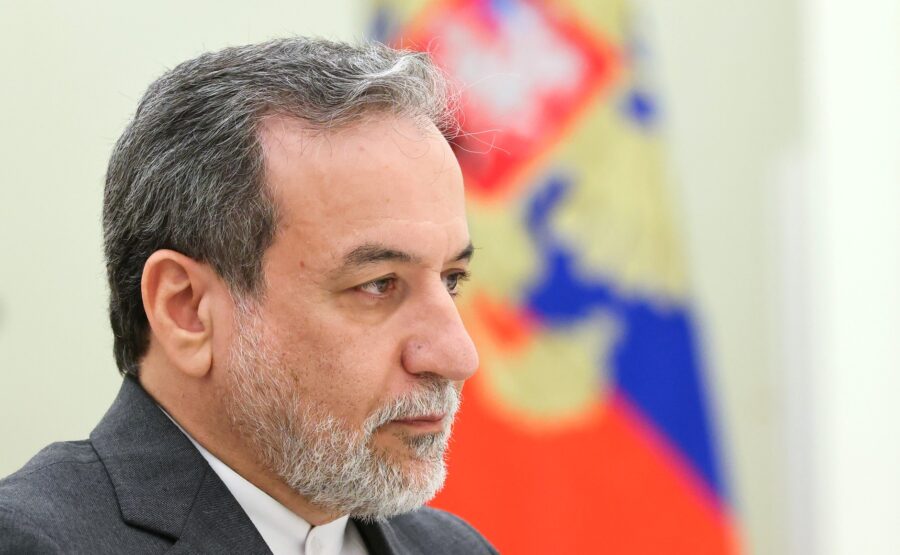
Iran’s military announced Saturday that it had reimposed restrictions on the Strait of Hormuz and returned the waterway to its previous state of strict control. The decision followed Iran’s brief announcement the previous day that the strait would be open to commercial shipping during the current ceasefire period.
Iranian officials stated that the reversal was prompted by what they described as repeated breaches of trust by the United States, specifically the continuation of the US naval blockade of Iranian ports.
The reimposition occurred hours after initial reports of the strait reopening on April 17. According to shipping sources and Iranian statements, Iranian gunboats fired on at least one tanker attempting to pass through the area, and some vessels were observed reversing course.
Iran’s joint military command described the strait as now under full management and control of its armed forces, with access for ships remaining conditional. Officials emphasized that the waterway, which handles roughly one-fifth of global oil shipments, would not stay open as long as the US blockade remained in effect.
This development marked a clear reversal from the situation on Friday. On that day, Iranian Foreign Minister Abbas Araghchi declared the strait completely open to commercial vessels for the remainder of the ceasefire, a move tied to a 10-day truce between Israel and Hezbollah in Lebanon.
President Donald Trump responded by welcoming the announcement and stating that the Hormuz situation was resolved. In interviews and public comments on Friday, Trump described negotiations with Iran as advancing rapidly, with “most of the points” already negotiated and agreed upon and “no sticking points at all.”
He further indicated that a meeting between negotiators could occur as soon as that weekend, possibly in Islamabad, Pakistan, and suggested a full agreement might be reached within days. Trump characterized the discussions as proceeding positively and claimed Iran had agreed to key concessions, including the transfer of approximately 450 kilograms of uranium enriched to 60 percent purity — material he referred to as “nuclear dust” from previously struck sites — to the United States without payment.
He also stated that the US naval blockade of Iranian ports would remain in place until a formal deal was signed.
Iranian officials directly rejected these assertions on Saturday morning. Foreign Ministry spokesman Esmaeil Baqaei stated that Iran’s enriched uranium would not be transferred anywhere and that such a handover had never been discussed in negotiations.
Parliament speaker Mohammad Bagher Ghalibaf described some of Trump’s statements as inaccurate and stressed that the strait reopening had always been conditional on US compliance with ceasefire terms. Iranian sources characterized the continued blockade as a violation of the ceasefire agreement reached the previous week and said it constituted maritime interference.
They noted that talks remained in early stages and could require weeks to conclude, while affirming Iran’s determination to maintain control over the strait until a lasting resolution is reached.
Later on Saturday, President Trump addressed the closure, stating that Iran had “got a little cute” with the decision but that negotiations were still “working out really well.” He indicated he would have further information by the end of the day and reiterated that the US blockade would persist until a comprehensive agreement was finalized.
Trump also noted that the current ceasefire, set to expire on Wednesday, might not be extended if no deal was reached, and he referenced the possibility of resuming military action.
