
Politics
Supreme Court Makes New Announcement With Huge Implications
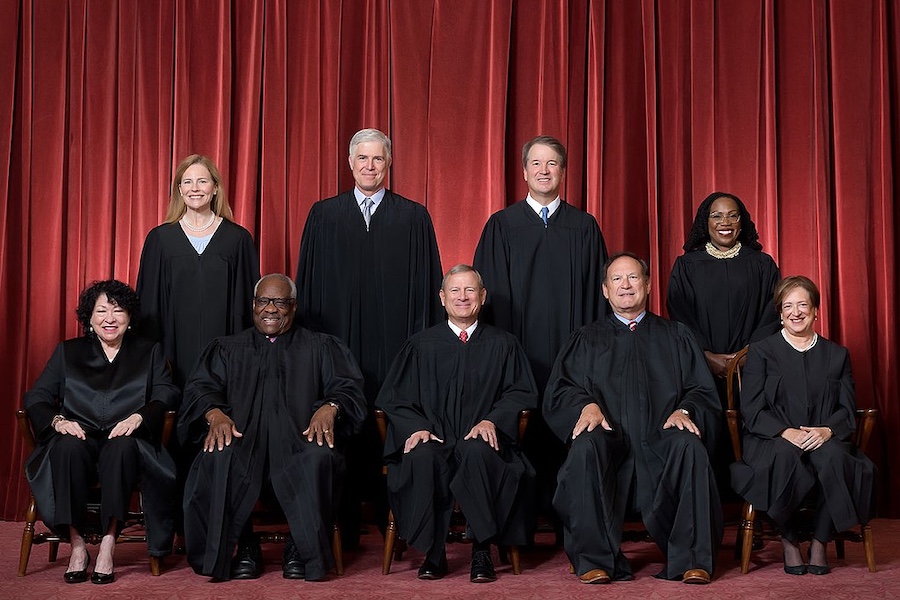
The U.S. Supreme Court is diving back into the culture wars, agreeing to hear a major religious liberty case centered on Catholic preschools and LGBT families.
The justices on Monday took up a challenge from the Archdiocese of Denver and two Catholic preschools that were shut out of Colorado’s taxpayer-funded universal preschool program.
The fight comes down to one sticking point. Colorado requires any school receiving public funds to follow its nondiscrimination rules, including admitting children from same-sex households.
The Catholic schools say that’s a nonstarter.
They argue the state is effectively forcing them to abandon core religious beliefs about marriage and gender in order to access a public benefit. In their view, Colorado is penalizing faith-based institutions for sticking to Church teaching.
State officials insist the policy applies equally to everyone. If a provider wants taxpayer money, it has to follow the same rules as every other participant in the program.
RELATED: SCOTUS Issues Unanimous Ruling
Lower courts sided with Colorado, finding the law is “generally applicable” and does not specifically target religion.
Now the Supreme Court will take a closer look, setting up a direct collision between religious liberty and ever-expanding LGBT mandates.
The case also raises a bigger issue that could have a nationwide impact: whether the court will revisit a longstanding precedent that limits when religious groups can claim exemptions from neutral laws.
RELATED: SCOTUS Liberals ‘Slow Walking’ Decision To Help Democrats In Midterms, ‘Reliable Sources’ Say
That question matters. The current standard has allowed governments to enforce broad policies even when they clash with religious beliefs, as long as those policies are applied across the board.
The high court, now with a solid conservative majority, has shown a growing willingness to side with religious plaintiffs in recent years, especially in cases involving education and parental rights.
Arguments are expected in the next term. The outcome could reshape how far states can go in attaching strings to public funding — and whether religious institutions are forced to choose between their beliefs and access to taxpayer-backed programs.
Download the FREE Trending Politics App to get the latest news FIRST >>
