
Politics
NEW: ‘Wave’ Of US Aircraft Approaches Middle East As Iran Escalation Rumors Swirl
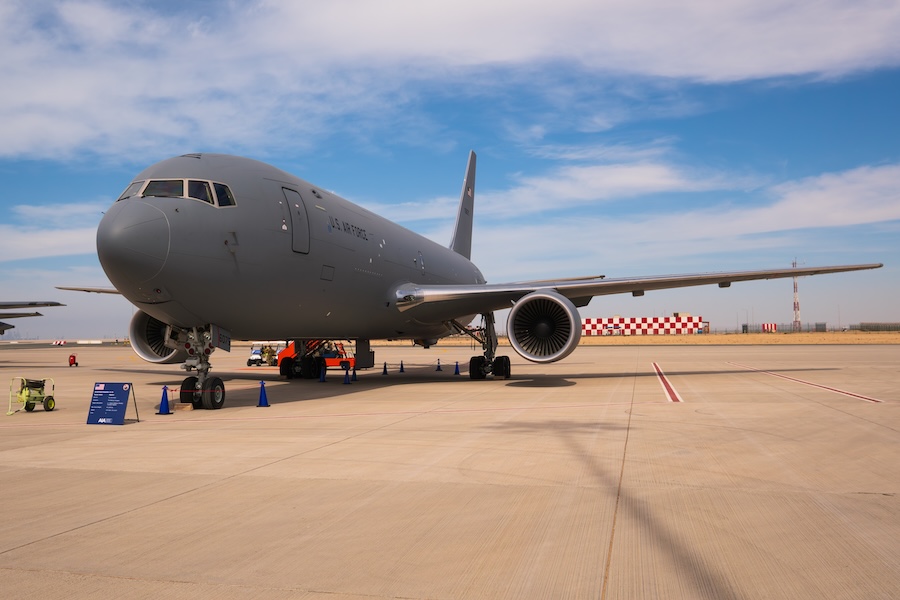
A fresh round of U.S. military aircraft movements toward Europe and the Middle East is drawing intense attention, as observers speculate Washington may be preparing for the next phase of its standoff with Iran.
Flight-tracking chatter surged Tuesday after reports highlighted multiple American aircraft heading east, including refueling tankers and support planes often used to sustain long-range air operations. The reported movements come as a fragile ceasefire between the United States and Iran remains in place, though tensions surrounding enforcement and future negotiations remain high.
A “wave” of U.S. jets moving toward the region has fueled questions over whether the Pentagon is positioning forces for more sustained campaign. While no official announcement has been made tying the aircraft to imminent combat operations, defense analysts noted that the mix of aircraft being observed could support extended readiness.
Military aviation watchers often closely track tanker aircraft such as the KC-135 and KC-46 because they are critical for moving fighter jets and bombers across long distances. Large transport aircraft like the C-17 are also watched carefully, as they can rapidly carry personnel, ammunition, and equipment.
ADSB Exchange and Flightradar24 appeared to show multiple U.S. military aircraft crossing the Mediterranean toward Saudi Arabia, with some later turning back toward Europe.
The movements come as President Donald Trump said he is prepared to resume bombing operations if Iran refuses to negotiate. Flight-tracking data also appeared to show at least five Boeing C-17 Globemaster III transport planes heading toward Saudi Arabia after departing a major NATO base in Germany.
At least five US Air Force C-17 Globemaster III aircraft were tracked heading toward Saudi Arabia on Tuesday after departing a NATO base in Germany, the Daily Mail reported, citing flight-tracking data.
— Iran International English (@IranIntl_En) April 21, 2026
The developments come at a sensitive moment.
President Donald Trump announced Tuesday that the current ceasefire with Iran would be extended while Tehran works to submit what he described as a “unified proposal.” Trump said the U.S. military would continue its blockade posture and remain prepared if talks fail.
At the same time, uncertainty has surrounded a planned diplomatic push in Pakistan. Vice President JD Vance delayed a scheduled trip as negotiations appeared unsettled, further adding to speculation that key decisions are being made in Washington.
Recent Pentagon budget reporting has also suggested the military expects continued strain from regional operations. U.S. defense planners are seeking major increases in spending on missile interceptors, drones, air defenses, and Tomahawk missiles after heavy usage during the Iran conflict.
That does not necessarily mean new strikes are imminent. Military planners frequently reposition aircraft during unstable ceasefires to preserve options, reassure allies, deter adversaries, and respond quickly if talks collapse. Aircraft movements alone do not confirm a coming offensive.
Still, the timing has markets, analysts, and regional observers on edge.
The Middle East has already faced weeks of disruption tied to the conflict, including shipping concerns near the Strait of Hormuz and repeated warnings from both sides.
Any sign of additional U.S. airpower entering the theater is likely to be interpreted as a signal that Washington wants maximum leverage heading into the next round of talks.
For now, officials have not publicly detailed the purpose of the latest aircraft activity. But as diplomacy hangs in the balance, every radar track is being watched.
RELATED: Pro-Trump Congressman Announces Retirement
