
Politics
FBI Probes Possible ‘Nightmare Scenario’ After Theft Of Chemical-Spraying Drones
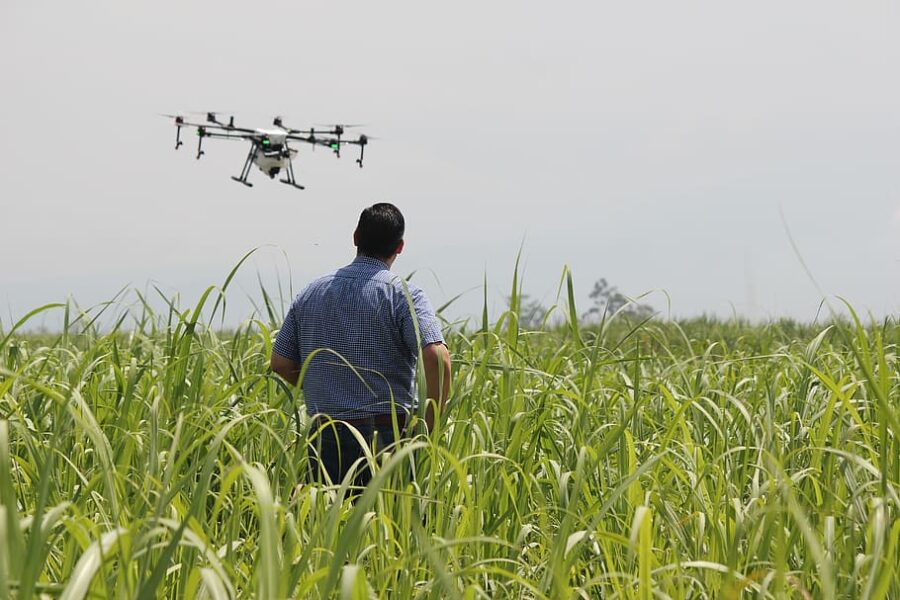
The FBI is investigating and hoping to avert a potential “nightmare scenario” relating to the theft of 15 chemical-spraying drones in New Jersey late last month.
On March 24, a total of 15 Ceres Air C31 agricultural drones were stolen from a shipping and logistics company, CAC International, in Harrison, New Jersey. The drones were removed by an individual posing as a delivery driver who presented a phony bill of lading and a fake confirmation email.
Each Ceres Air C31 drone is roughly the size of an all-terrain vehicle and weighs approximately 500 pounds. Each of the units retail in the range of $15,000 to $58,000 apiece, placing the total value of the stolen fleet between roughly $225,000 and $870,000 depending on exact configuration and pricing at the time of acquisition.
The drones are designed for precision agricultural applications, such as spraying fertilizers and pesticides. They feature GPS-guided flight paths that allow them to treat wide areas efficiently. According to available specifications, the C31 models can carry and disperse up to 40 gallons of liquid per flight, covering approximately 15 to 20 acres in as little as seven minutes under typical operating conditions.
According to a report from the New York Post, the FBI has opened an investigation into the theft and is treating it as a complex and urgent matter.
A person briefed on the case described it as “one of the most highly sophisticated thefts [the FBI has] seen in a long time,” which has contributed to the agency’s level of concern. The bureau has not publicly commented on the investigation, however, and did not respond to a request for comment from The Post.
Experts have highlighted the drones’ capabilities as a potential vector for dispersing hazardous substances.
“The bureau is freaked out for a good reason. These aren’t hobby drones with cameras. They’re industrial sprayers designed to carry and disperse significant amounts of liquid quickly and with precision,” retired FBI agent Steve Lazarus said in a statement to The High Side.
“A typical agricultural drone can cover a large area in minutes, following GPS-guided paths — that’s exactly what they’re built for in farming, but it also means that, in the wrong hands, they’re a ready-made delivery system,” Lazarus added. “Even common chemicals, used improperly, can be a public safety danger. Throw in the internet recipes for biological and chemical weapons that anyone with a Tor browser has access to, and this is a potential nightmare scenario.”
He further warned of “ridiculously bad” consequences if the machines were obtained by terrorists or other actors intent on misuse.
The theft has renewed attention on long-standing concerns about the weaponization of agricultural equipment. A 2020 U.S. Army manual on drone warfare noted that “an agricultural drone becoming a [chemical or biological warfare] delivery platform is a definite possibility,” citing the ready availability of such systems and their suitability as delivery mechanisms.
As of this report, the investigation remains ongoing and no suspects have been identified. Neither CAC International, the drone manufacturer Ceres Air, nor the Harrison Police Department has issued public statements on the matter.
RELATED: Alleged Pentagon Leaker Arrested By FBI Identified In Court Filings
