
Politics
JUST IN: Florida Redistricting Map Advances To Floor Vote, Elevating GOP Midterm Hopes
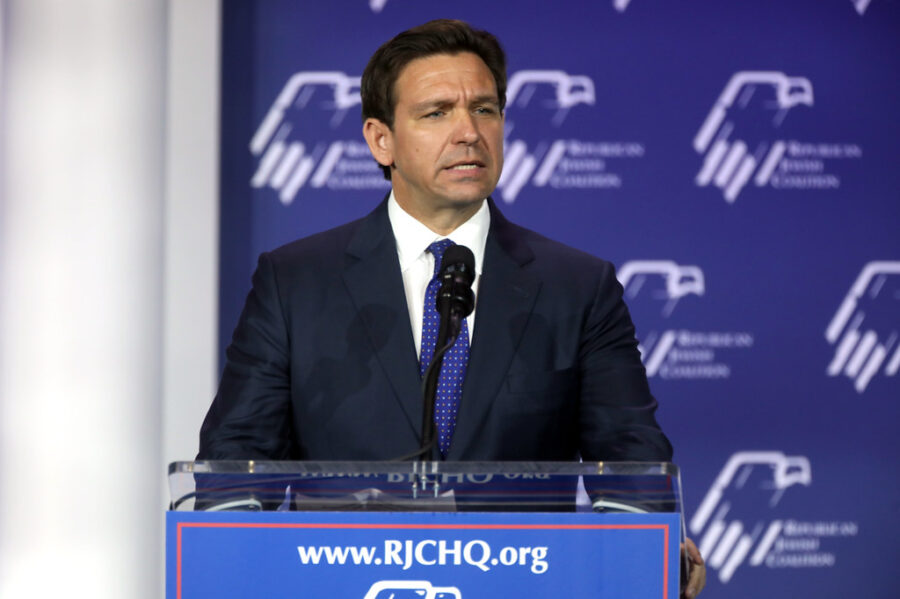
The Florida House Select Committee on Congressional Redistricting on Tuesday advanced Governor Ron DeSantis’s proposed congressional map in a 7-3 party-line vote. Tuesday’s vote will now set up a full floor vote, which could have a massive impact on control of the U.S. House of Representatives last year.
The committee took up the map on the first day of a special legislative session called by the governor to consider mid-decade redistricting. Jason Poreda, a senior government analyst in the governor’s office, then presented the proposal and conducted a district-by-district review for committee members.
He described the map as drawn without reference to racial data and noted that its overall compactness was comparable to the existing map. An attorney for the governor also addressed legal aspects of the redraw, which referenced prior court rulings and ongoing cases.
Democrat members raised questions about specific district changes, including the reconfiguration of the 16th Congressional District and the division of a majority-Hispanic district in Central Florida currently held by U.S. Rep. Darren Soto. Public hearings occurred during the session, allowing limited testimony from residents and advocacy groups, though amendments to the map itself were ultimately adopted in committee.
The proposal now moves to floor votes in both the House and Senate. Legislative leaders have indicated that final approval could occur as early as Wednesday, as the special session is expected to conclude at the end of the week. Senate rules require any amendments to consist of an entirely new map, and technical drafting support has been made available to members.
Florida’s current congressional map, also shaped during the 2022 redistricting cycle, produced a 20-8 Republican advantage among the state’s 28 U.S. House seats. The new proposal redraws boundaries using 2020 census data, with adjustments concentrated in Central and South Florida.
All told, the new configuration could create four additional Republican-leaning districts by altering the configuration of several seats now held by Democrats. If enacted, the map would shift the state’s delegation to approximately 24 Republican-leaning seats and four Democratic-leaning seats.
Florida accounts for 28 of the 435 seats in the U.S. House of Representatives. A net shift of four seats in one direction represents a meaningful portion of the state’s delegation and could influence the narrow margins that have characterized recent control of the chamber.
With the 2026 elections expected to be closely contested nationally, the outcome in Florida’s redrawn districts could contribute to determining which party holds the majority in the House come January.
RELATED: DeSantis Smacks Down ‘Dollar Store Obama’s’ Threats Over Florida Redistricting
