
Politics
U.S. Ally Joins Iran Talks As Officials Push For ‘Final Deal’
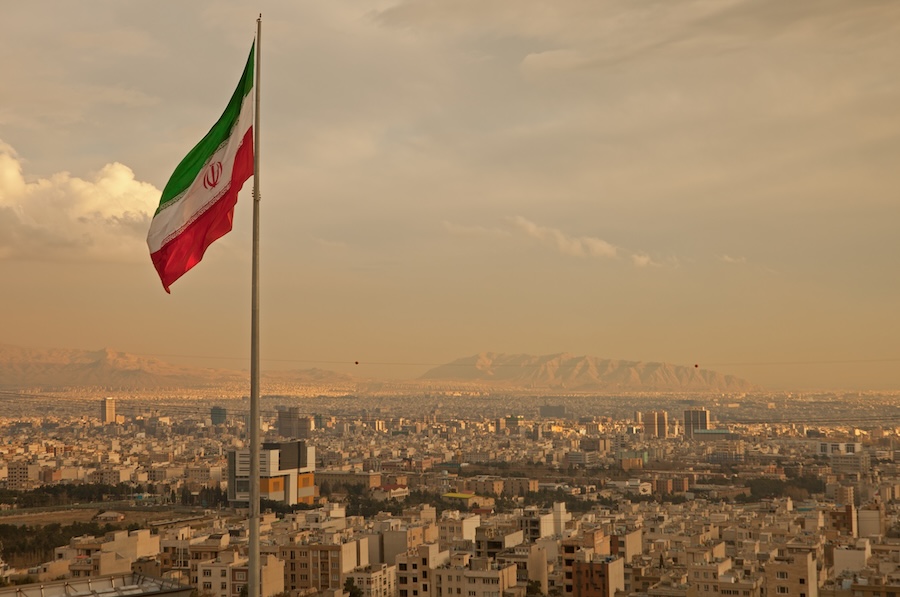
A major U.S. ally in the Middle East has now entered direct negotiations with Iran as international mediators race to secure what officials are describing as a possible “final deal” to end the regional conflict and avoid a much larger war across the Gulf. Qatar has reportedly sent a delegation to Tehran in coordination with the United States, while Pakistan continues playing a central role in backchannel talks between Washington and the Iranian regime.
The intensified diplomatic push follows weeks of rising tensions involving Iran, Israel, the United States, and multiple Gulf states after military strikes earlier this year pushed the region dangerously close to all-out war. Although a shaky ceasefire has largely held in recent weeks, officials have warned that the situation remains volatile without a broader agreement in place.
Qatar’s direct involvement is being viewed as a major development, suggesting negotiations may be entering a decisive stage. The Gulf nation has long acted as an intermediary in regional disputes because of its close relationships with both Tehran and Washington. Sources familiar with the discussions say negotiators are working on a framework that would formalize a ceasefire while allowing additional talks over Iran’s nuclear program and security concerns surrounding the Strait of Hormuz.
A Qatari negotiation team is in Tehran on Friday and Saturday “to support the U.S. to reach a final deal that would end the war and address outstanding issues with Iran,” an official with knowledge of the visit told Fox News’ Chief Foreign Correspondent Trey Yingst.
The latest development came shortly after Secretary of State Marco Rubio signaled Friday that negotiations had shown modest progress, while reiterating that the United States would never allow Tehran to obtain nuclear weapons.

Doha city skyline featuring West Bay skyscrapers along the Persian Gulf during a beautiful pastel sunset, with dhow boats sailing
“On the issue of Iran. The news this morning, I know it’s early still in the United States, a little later in the region, in the Middle East, but we await word on those conversations that are ongoing. There’s been some slight progress, I don’t want to exaggerate it, but there’s been a little bit of movement, and that’s good,” Rubio said during a visit to Sweden for a meeting of NATO’s foreign ministers.
Pakistan has also taken on a critical role in the negotiations. Army Chief Field Marshal Asim Munir traveled to Tehran this week as part of what several outlets described as a last-ditch diplomatic effort aimed at preventing another military escalation. Pakistani officials are reportedly working to finalize a “letter of intent” between the United States and Iran that would establish terms for a ceasefire and create a roadmap for future negotiations.
Rubio acknowledged Friday that negotiators are beginning to see “a little bit of movement,” though he stressed that several major disputes remain unresolved. The secretary of state has repeatedly warned that Washington is prepared to consider alternative measures if diplomatic efforts fail.
One of the primary sticking points remains Iran’s uranium stockpile, along with disagreements over the Strait of Hormuz, one of the world’s most strategically important shipping lanes. Iran has resisted demands from the U.S. and its allies to surrender enriched uranium or accept expanded inspections, while Gulf nations remain alarmed by Tehran’s proposals involving greater oversight of shipping traffic through the region.
The conflict has already produced significant economic fallout worldwide. Energy markets were rattled earlier this year after threats to regional shipping lanes and infrastructure sent oil and natural gas prices sharply higher. Qatar’s liquefied natural gas infrastructure was also reportedly damaged during Iranian missile and drone attacks earlier in the conflict, adding even more significance to Doha’s decision to step deeper into the negotiations.
President Donald Trump has publicly indicated that he is willing to allow more time for diplomacy before weighing additional military action. The White House even adjusted parts of Trump’s schedule this week amid growing speculation that negotiators may be closing in on a breakthrough.
Even so, officials continue warning that the talks remain extremely delicate. Iranian leaders have refused to dismantle key elements of their nuclear program, while U.S. negotiators continue demanding stronger oversight measures and expanded regional security guarantees. Multiple reports also noted that diplomats remain uncertain whether a lasting agreement can ultimately be achieved.
Still, with Qatar now joining Pakistan in the mediation effort, officials involved in the negotiations appear to believe the next several days could determine whether the Middle East moves closer to a lasting peace agreement or back toward open conflict.
