
Politics
NEW: Trump Shares Details Of ‘Largely Negotiated’ Peace Agreement With Iran
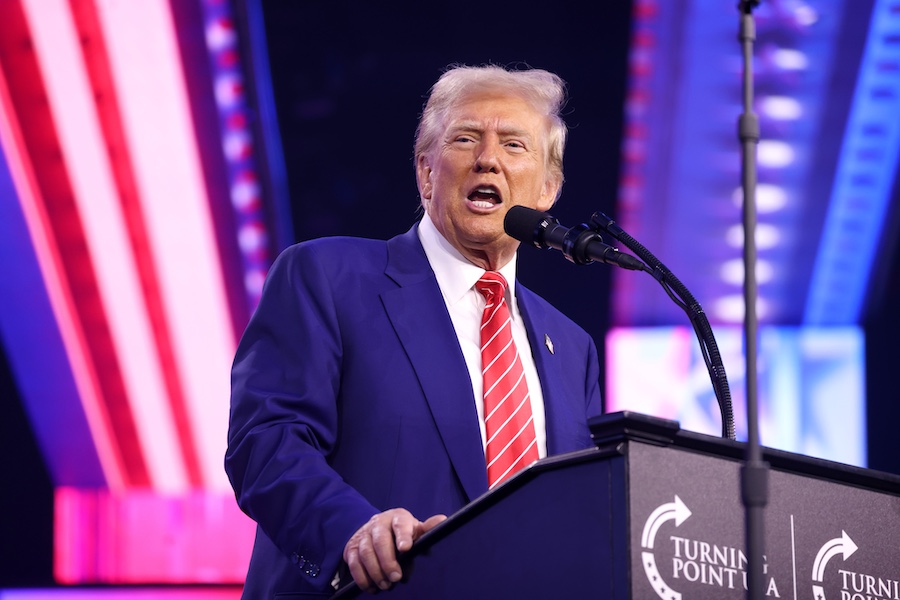
President Donald Trump stated that negotiations with Iran had produced a memorandum of understanding largely negotiated, subject to final details. The proposed framework centers on ending the conflict with Iran on a permanent basis.
“An Agreement has been largely negotiated, subject to finalization between the United States of America, the Islamic Republic of Iran, and the various other Countries, as listed. In addition to many other elements of the Agreement, the Strait of Hormuz will be opened. Final aspects and details of the Deal are currently being discussed, and will be announced shortly,” the president posted on Truth Social on Saturday.
The memorandum of understanding under discussion establishes a phased approach. The initial phase would formally end active hostilities and address maritime access in the Strait of Hormuz, a key chokepoint for global oil transport.
Subsequent steps include a 30- to 60-day period for broader talks on Iran’s nuclear program, sanctions relief, and related issues. Reports indicate the draft includes commitments from Iran not to pursue nuclear weapons, arrangements for its enriched uranium stockpile, no tolls on shipping through the strait, and U.S. actions to lift its blockade on Iranian ports and waive certain oil sanctions.
U.S. Secretary of State Marco Rubio noted the potential for updates soon after meetings in India. Trump had held calls with leaders from Saudi Arabia, Qatar, the United Arab Emirates, Jordan, Egypt, Turkey, Pakistan, and Israel regarding the framework. Pakistan has served as a primary mediator in the indirect talks.
The discussions build on a fragile ceasefire established in early April 2026. Elements under review include enhanced inspections or handling of Iran’s uranium stockpile, guarantees against future attacks, and provisions for Iran to sell oil more freely.
Iranian officials have indicated that the latest proposals are under review by the Supreme National Security Council and would require approval from Supreme Leader Ayatollah Mojtaba Khamenei. A senior Iranian source told Reuters that differences remain on one or two clauses, though negotiations have progressed.
Iranian Foreign Ministry spokesperson Esmail Baghaei stated that the trend in the week had been toward reducing disputes, but issues still required discussion through mediators. Priorities cited by Iranian officials include ending the threat of new U.S. attacks, resolving the conflict in Lebanon involving Hezbollah, lifting the U.S. blockade on shipping, and releasing frozen funds as part of initial steps.
