
Politics
JUST IN: US, Iran Reach New Deal To Extend Ceasefire
U.S. and Iranian negotiators have reached an agreement on a 60-day memorandum of understanding to extend the ceasefire and start talks on Iran’s nuclear program, but President Donald Trump has not signed off yet, according to two U.S. officials and a regional source involved in the mediation efforts cited by Axios. Iran has not confirmed its acceptance, either.
Even if the MOU is signed, it would be a first step, not a final peace deal. “This is an agreement to get everybody to the table. We will work out the details in the negotiations,” one of the U.S. officials said.
U.S. officials told Axios that most of the terms were locked in as of Tuesday, but both sides still needed approval from senior leadership. The U.S. officials said Iran later indicated it had the necessary approvals and was prepared to sign. Iran has not confirmed that.
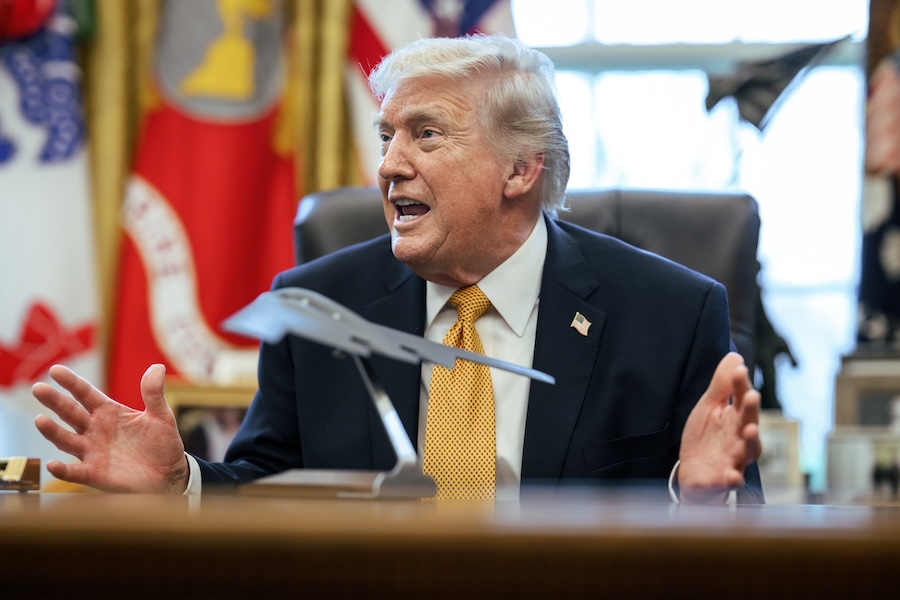
The U.S. negotiators briefed Trump on the package, but he did not immediately approve it. “The president relayed to the mediators that he wants a couple of days to think about it,” a U.S. official said.
The talks come after repeated near-breakthroughs earlier in the conflict that later fell apart. Trump and his advisers believed they were close to a deal several times before negotiations stalled again, Axios reported.
According to the U.S. officials, the memorandum would state that shipping through the Strait of Hormuz will be “unrestricted,” meaning no tolls and no harassment. The officials said Iran would have to remove all mines from the strait within 30 days.
The U.S. naval blockade would be lifted, but officials said that would happen in proportion to the restoration of commercial shipping.
The U.S. officials said the MOU would include an Iranian commitment not to pursue a nuclear weapon. It would also set the first negotiating priorities during the 60-day window: what to do with Iran’s highly enriched uranium and how to address Iranian enrichment.
🚨BREAKING: Axios is reporting the US and Iran are close to signing a draft 60-day Memorandum of Understanding (MOU) to extend the ceasefire and framework a broader deal. The president has YET to sign off.
Key elements per Axios:
• Strait of Hormuz reopened for unrestricted… pic.twitter.com/zfV85S2uFD
— Andrew Kolvet (@AndrewKolvet) May 28, 2026
The U.S. would also commit to discuss sanctions relief and the release of frozen Iranian funds as part of the negotiations, the officials said. They added the MOU would include discussion of a mechanism to help Iran begin receiving goods and humanitarian aid.
Even as the MOU was being finalized, the U.S. and Iran had two skirmishes in the Strait of Hormuz in the past 48 hours, Axios reported.
A U.S. official told Axios the deal could give Iran a path to reset. The official said Iran has a chance to unshackle its economy and that “there are people in their system that understand that it is an opportunity to go in a different direction,” adding: “We will find out during the 60-day negotiations if that’s the case.”
RELATED: Iran ‘Deeply Threatened’ As New Nation Offers To Enter The Fight
The U.S. officials told Axios there would be no side deals or secret clauses related to sanctions relief or funds. “The more the Iranians are willing to give the more they will get,” one said.
The officials also said the Iranians provided verbal commitments about their willingness to make nuclear concessions, but warned that the real test would come in direct talks. The U.S. officials said “we will not know until we get in the room, which is why we want to do this MOU. It gets both sides into the room to negotiate directly.”
RELATED: JUST IN: Iran Violated Ceasefire, Launched Missiles At U.S. Assets
The MOU also refers to promoting “regional peace,” and the Trump administration hopes to address Iran’s support for regional proxies during discussions, the officials said.
U.S. officials told Axios that if it becomes clear Iran cannot deliver on the nuclear issue, Trump would still have options on the table, economic and military. They said the withdrawal of U.S. forces sent to the region would depend on a final agreement.
Tehran has not confirmed it has accepted the MOU. Trump said Wednesday he was not in a rush, according to Axios.
Download the FREE Trending Politics App to get the latest news FIRST >>
