
Politics
‘AVALANCHE Of Oil’: Traffic In Strait Of Hormuz Explodes As Peace Plan Is Signed
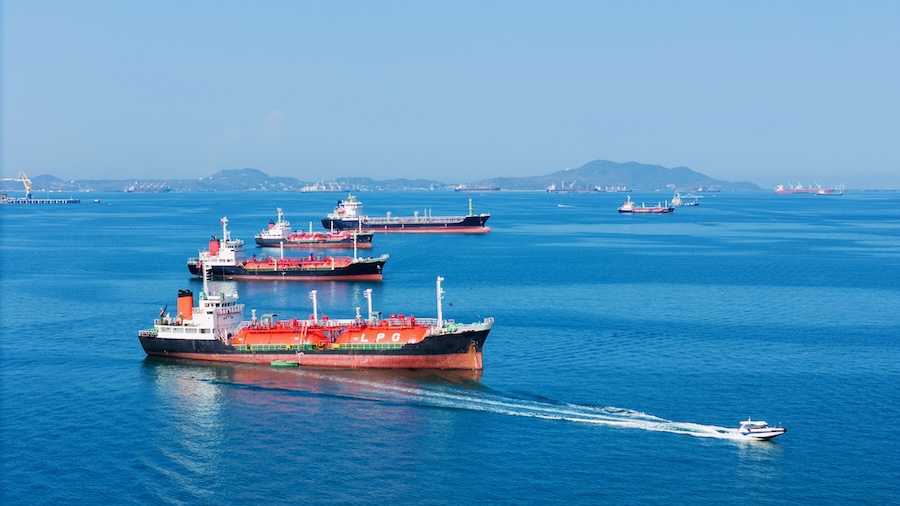
Shipping traffic through the vital Strait of Hormuz has shown a measurable increase following the signing of a memorandum of understanding (MOU) between the United States and Iran aimed at ending hostilities and reopening the waterway.
MarineTraffic and other tracking data indicated at least 10 commercial vessels transiting the strait that morning, with additional ships reported to be heading toward the area. This represents an initial uptick in activity compared to the severely reduced levels observed during the preceding months of conflict.
The MOU, signed by U.S. President Donald Trump and Iranian President Masoud Pezeshkian, includes provisions for the immediate reopening of the strait to commercial traffic. U.S. officials noted expectations of a gradual ramp-up in shipping volumes, with traffic beginning to increase shortly after the agreement.
Iranian authorities similarly stated that passage would resume in a controlled manner, with vessels following designated routes and times for security reasons.
Prior to the conflict, the Strait of Hormuz handled an average of approximately 100 to 135 ships per day, serving as a critical chokepoint for roughly one-fifth of global oil supplies. Traffic dropped sharply after late February, when the conflict began.
Data from early March indicated a decline of around 94% in tanker transits on certain days, with overall shipping activity falling by 70% or more in the initial period and remaining at very low levels — often in the single digits daily or near zero — over the last several weeks.
Data from ship-tracking services showed only dozens of vessels managing passage over multi-week periods, far below pre-conflict norms. By late April and into May, daily figures frequently remained at near zero.
Today’s observed increase, while notable in the short term, remains well below historical averages. Industry observers and officials have cautioned that a full return to normal operations will take time due to logistical backlogs, insurance considerations, and residual risk assessments.
Estimates suggest daily transits could reach 25 to 50 ships in the near term, with further growth expected over subsequent weeks as confidence builds.
The reopening aligns with broader terms in the MOU, which also address ceasefire implementation across related fronts and initial steps toward sanctions relief and reconstruction support. The agreement establishes a 60-day period for further negotiations on a more comprehensive deal.
RELATED: GOP Senator Under Fire After Backstabbing Trump On Iran Deal
