
Politics
Federal Judge Blocks States From Banning SNAP Purchases Of Soda
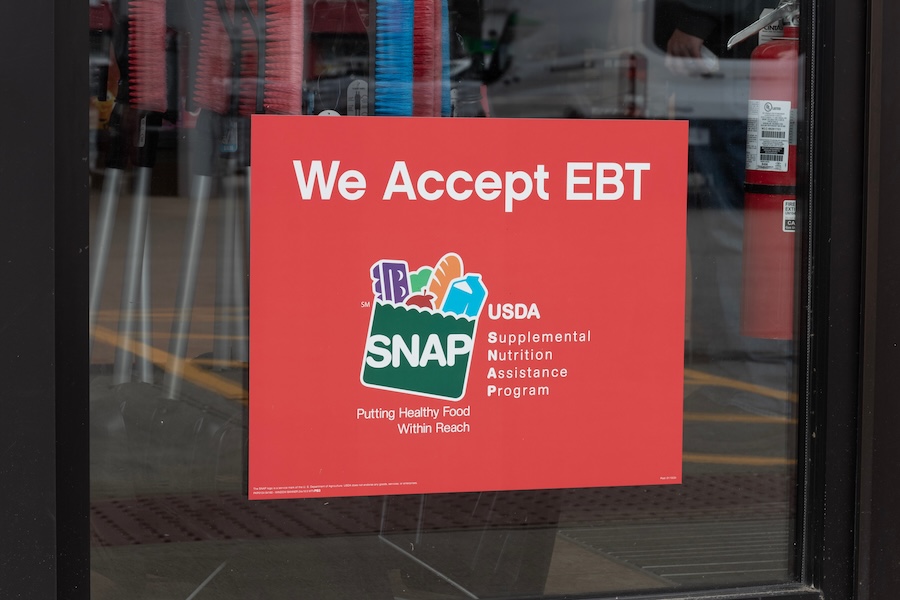
A federal judge in Washington, D.C., has blocked the Trump administration’s approval of state pilot programs that would have barred Supplemental Nutrition Assistance Program (SNAP) recipients from using benefits to purchase items such as soda, candy, and other sugary products.
In a ruling issued Monday, U.S. District Judge Amy Berman Jackson sided with a group of SNAP recipients who challenged the U.S. Department of Agriculture’s approval of food restriction pilot programs in Colorado, Iowa, Nebraska, Tennessee, and West Virginia. The programs were authorized by Agriculture Secretary Brooke Rollins as part of a broader effort to encourage healthier food choices among low-income Americans.
The lawsuit was brought by five SNAP participants who argued that the restrictions exceeded the federal government’s authority and would negatively affect recipients who rely on certain products for medical or dietary reasons.
Jackson ultimately agreed, ruling that the USDA lacked the statutory authority it relied upon when approving the pilot projects.
“The Court’s analysis should not be taken as a comment on whether the pilot projects are a good idea or not,” Jackson wrote. “That is a question of policy that is not before the Court.”
The judge noted that federal officials and participating states may have legitimate goals in seeking to improve nutrition and reduce obesity among SNAP recipients. However, she concluded that those objectives must be pursued through the legal framework established by Congress rather than through administrative actions that exceed statutory authority.
At the center of the dispute was a section of federal law allowing the USDA to conduct pilot projects designed to improve the efficiency and administration of SNAP. The administration argued that the food restriction programs qualified under that authority and could therefore receive waivers from existing SNAP rules.
Jackson disagreed, finding that the projects were not primarily aimed at improving program administration. Instead, she concluded that they were intended to improve health outcomes, reduce obesity, and encourage better dietary habits among SNAP recipients. Because Congress created a separate legal pathway for nutrition-focused pilot programs, the judge said the administration could not bypass those requirements by relying on a different section of the law.
The ruling also faulted the USDA for failing to follow a federal regulation requiring public notice when a demonstration project is likely to have a significant impact on the public. According to the court, the agency did not adequately justify its decision to forgo that notice process despite the fact that the restrictions would affect hundreds of thousands of SNAP recipients and thousands of retailers across multiple states.
Several of the pilot programs had already begun implementation. Iowa, Nebraska, West Virginia, and Colorado had launched their restrictions earlier this year, while Tennessee’s program was scheduled to take effect later this summer. The projects generally sought to prevent SNAP recipients from using benefits to purchase products such as soda, energy drinks, candy, and other items deemed to have little nutritional value.
State officials pointed to rising healthcare costs and public health concerns as justification for the programs. Several states cited research suggesting that sugar-sweetened beverages contribute to poor health outcomes and argued that the restrictions would encourage healthier purchasing habits among SNAP participants. The plaintiffs in the case included individuals who said the restrictions would affect their ability to manage conditions such as diabetes, kidney disease, chronic insomnia, and eating disorders.
Jackson granted summary judgment in favor of the plaintiffs and denied the government’s cross-motion, effectively halting the pilot projects while sending the matter back to the USDA for further proceedings consistent with the court’s ruling.
