
Politics
RFK Jr. Urged to Target HHS Advertising in Next Round of Reforms
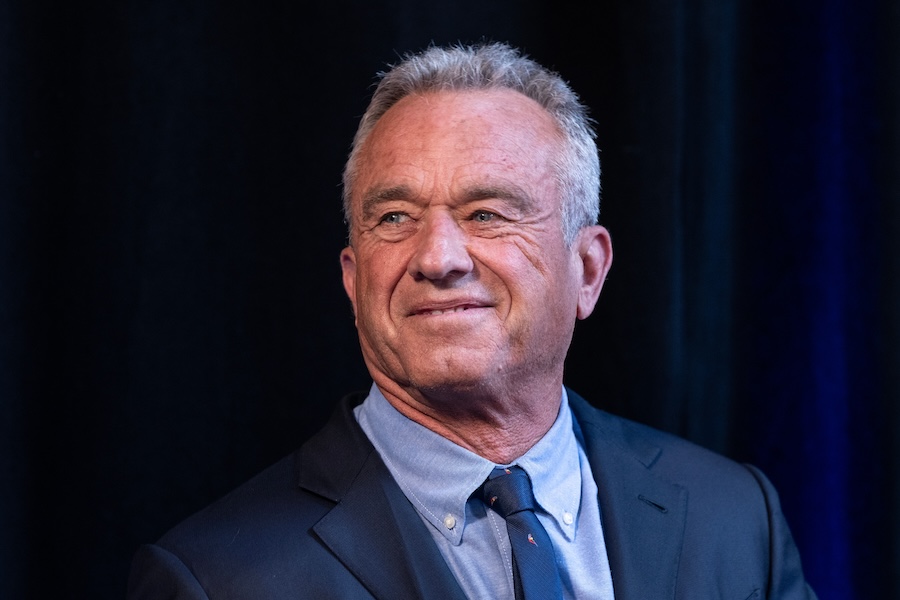
Robert F. Kennedy Jr. came to the Department of Health and Human Services with a mandate to challenge entrenched systems, demand greater accountability and produce better outcomes for the American people. In the months since taking office, he has demonstrated a willingness to question practices that many in Washington have long accepted as untouchable.
There is now another area where that reform-minded approach is needed: the way HHS awards major advertising and public education contracts.
Every year, HHS oversees communications campaigns that influence some of the most important decisions Americans make about their health. These campaigns address smoking cessation, addiction, disease prevention, nutrition, health insurance and countless other public health priorities. They involve hundreds of millions of taxpayer dollars and require sophisticated expertise in media strategy, audience targeting and performance measurement.
Given the stakes, the federal government should ensure these contracts are awarded through the broadest and most competitive process possible. Too often, however, that is not what happens.
Many major HHS advertising procurements rely on the General Services Administration’s Multiple Award Schedule. While these contracts are competitive among approved vendors, they inherently limit the field to companies already positioned within that procurement vehicle. Some of America’s most accomplished advertising and media firms may possess greater commercial experience, stronger technology and larger buying power, yet never have the opportunity to compete simply because they are not on the appropriate schedule.
That may provide administrative convenience, but convenience should never take precedence over securing the best value for taxpayers.
The Department of Defense offers a useful comparison. When competing major military recruiting advertising contracts, the government has frequently relied on full-and-open competition to attract the broadest possible range of qualified agencies. Military recruiting is a mission-critical responsibility, and policymakers recognize that the government benefits when the strongest commercial talent is allowed to compete.
HHS should embrace the same philosophy.
The Centers for Disease Control and Prevention’s successful “Tips From Former Smokers” campaign illustrates why. According to the CDC, the initiative has helped more than one million Americans quit smoking. Programs of that importance deserve every opportunity to benefit from the nation’s best advertising and media expertise, not simply firms that specialize in navigating government procurement systems.
Expanding competition, however, is only one part of the equation.
The Trump administration has made clear that federal policy should prioritize American interests, strengthen domestic capabilities and reduce unnecessary dependence on foreign-controlled organizations. Those principles should extend to government advertising as well.
When HHS awards contracts funded by American taxpayers, it should carefully examine who ultimately owns the companies receiving those dollars, where profits flow and how sensitive campaign data are managed. Large international holding companies often distribute media buying, analytics, technology and production across global networks. Even when those companies maintain substantial U.S. operations, taxpayers deserve transparency regarding where critical work is performed and who ultimately controls it.
Federal advertising contracts should require clear disclosure of ownership structures, foreign parent companies, subcontractors and data handling practices. Sensitive campaign information should remain within the United States under the control of authorized U.S. personnel whenever possible. And when American-owned companies offer equal or superior capabilities, they should receive meaningful consideration before taxpayer dollars are awarded to foreign-controlled competitors.
Secretary Kennedy has repeatedly demonstrated a willingness to rethink government practices that no longer serve the public interest. Reforming HHS advertising procurement would be entirely consistent with that mission. By expanding competition, increasing transparency and placing greater emphasis on American ownership and measurable results, HHS can strengthen public confidence while ensuring taxpayers receive the highest possible value.
The principle is straightforward. Public health campaigns funded by American taxpayers should be competed openly among America’s best-qualified firms. The government should prioritize performance over bureaucracy, transparency over opacity and the interests of the American people above all else. If the Pentagon recognizes the value of broad competition for its most important communications efforts, HHS should apply the same standard when communicating with the American public.
