
Politics
U.S. Imposes Steep Tariffs On Canada As Trade Talks Break Down
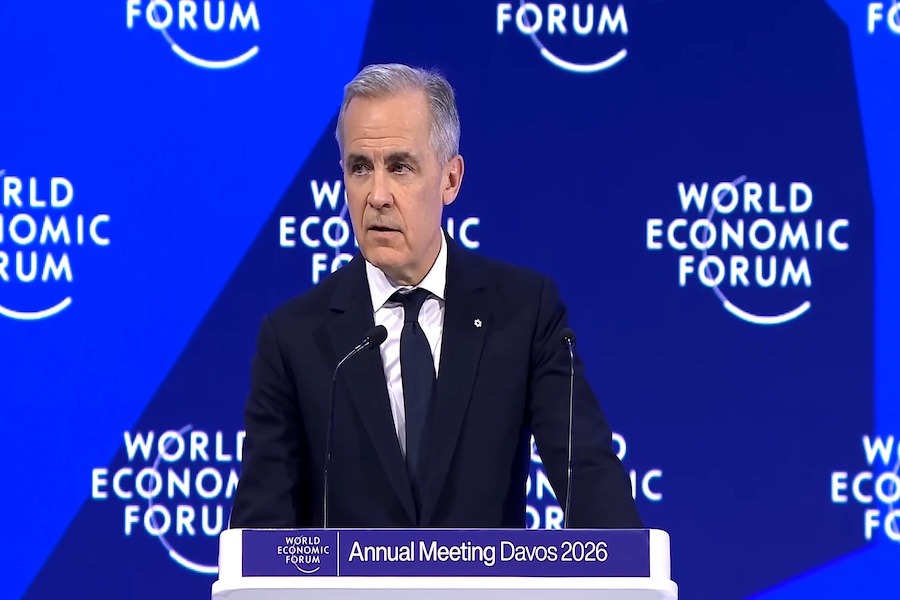
The United States on Saturday evening implemented 50 percent tariffs on a range of Canadian goods effective 12:01 a.m. Eastern Time. The move follows the failure of bilateral trade negotiations to produce a final agreement by the deadline.
The tariffs originated from three presidential proclamations signed by President Donald Trump on July 20, 2026. These measures invoked Section 338 of the Tariff Act of 1930, which authorizes the president to impose duties of up to 50 percent in response to findings of discriminatory treatment of U.S. commerce by a trading partner.
The administration cited Canadian practices related to dairy products under the supply management system, motor vehicles, and alcoholic beverages, including provincial restrictions on U.S. alcohol sales, as the basis for the action. Trump stated that the tariffs aimed to counteract the “burden and disadvantage on U.S. commerce from Canada’s discriminatory treatment of U.S. commerce.”
The duties were originally scheduled to take effect on August 19, though President Trump announced a three-day pause just before the initial deadline, stating that the two countries were close to an agreement subject to finalization of documents. Negotiators from both sides conducted intensive discussions in Washington, D.C. over subsequent days.
Discussions reportedly centered on potential reductions in existing U.S. tariffs on Canadian steel and aluminum from 50 percent to 25 percent and on Canadian automobiles from 25 percent to 15 percent, alongside Canadian commitments on market access, according to Canada’s CBC. The talks ultimately concluded without an agreement in place, however.
POLL: Should Foreigners Be Banned From Buying American Farmland?
Tonight, Canada declined to finalize the trade deal under the terms agreed earlier this week.
Despite the U.S. offer to Canada to receive the best treatment of any major exporter to our market, new demands and walk backs of other commitments by Canada have upended the careful…
— United States Trade Representative (@USTradeRep) August 22, 2026
“Tonight, Canada declined to finalize the trade deal under the terms agreed earlier this week, despite the U.S. offer to Canada to receive the best treatment of any major exporter to our market, new demands and walk backs of other commitments by Canada have upended the careful balance reached in the past days,” U.S. Trade Representative Jamieson Greer announced.
“In addition, Canada is continuing to maintain its prolonged retaliation against the United States, including, among other things, flat out prohibitions on certain American goods and services,” he added. Greer’s office noted that the proposed arrangement had included comprehensive market access for American goods, economic security commitments, and digital trade alignment. No additional talks were immediately scheduled.
The tariffs apply to approximately $20 billion in U.S. imports from Canada, equivalent to roughly $28 billion in Canadian dollars and just over five percent of total Canadian goods exports to the United States based on recent annual data. Covered products include wine and other alcoholic beverages, dairy items, cement, clothing, furniture, fishing rods, hockey sticks and related equipment, plywood, certain plastics, electrical equipment, and other industrial and consumer goods.
The measures do not apply to energy products, potash, fish, or critical minerals. They also apply irrespective of preferential treatment under the United States-Mexico-Canada Agreement for the affected categories. Existing U.S. tariffs on Canadian steel, aluminum, automobiles, and softwood lumber remain in place.
RELATED: Beer Giant Announces $600 Million U.S. Manufacturing Investment
