
Politics
Iran’s Currency Plunges To Record Low As Leader Pledges To Win ‘Economic War’
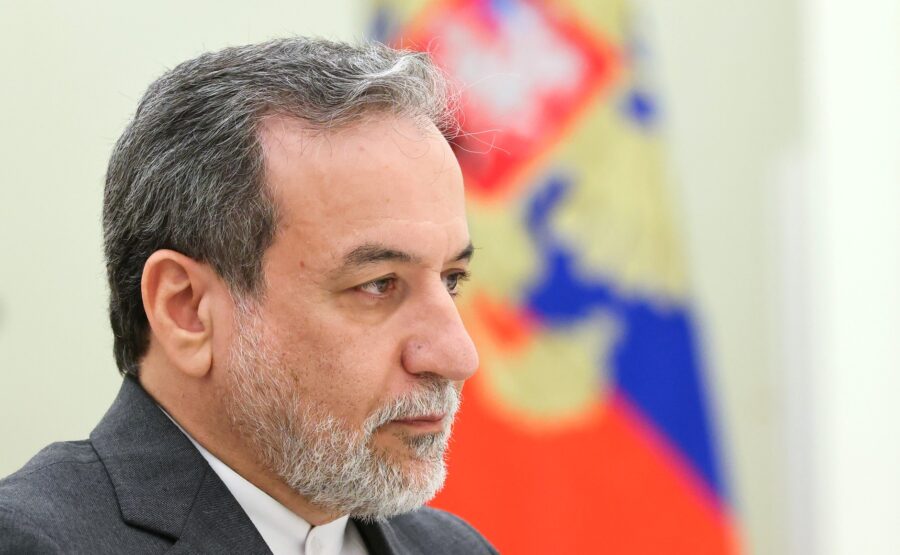
Iran’s rial reached a record low on informal markets this week, with the current exchange rate crossing two-million rials per U.S. dollar as households sought hard currency ahead of additional U.S. sanctions.
On August 24, the rial opened near 2.02 million per dollar on unofficial markets tracked by Bonbast. Iran’s Central Bank official rate remained about 1.5 million rials per dollar. Most households and businesses pay the informal rate. One toman equals 10 rials, so the dollar also passed 200,000 tomans.
A day earlier, Shafaq News reported that the dollar reached 200,050 tomans in evening trading, with the euro at a record 233,700 tomans. Later market reports put the dollar near 204,000 to 205,000 tomans on August 25.
The currency had already weakened before U.S. and Israeli strikes on Iran began on February 28. Parallel-market quotes were about 1.53 million rials per dollar in early March and about 1.865 million at the start of the week before the latest low. Bloomberg cited a 6.7 percent drop after President Donald Trump announced a “crushing economic operation” the previous week.
The International Monetary Fund’s July outlook projected a 5.4 percent contraction in 2026 and inflation of about 70 percent. The Statistical Center of Iran reported annual inflation of 66 percent in July, with prices 87.9% higher than a year earlier and food inflation at 128 percent.
POLL: Ilhan Omar Now Claims She’s Broke – Do You Believe Her?
NEW: Qatar’s prime minister arrives in Tehran as the push to de-escalate the war runs headfirst into a warning from President Trump: the U.S. will keep fighting as long as necessary.
Tensions remain high in the Strait of Hormuz, where Iran says the critical waterway will stay… pic.twitter.com/23fUYcoZNY
— Fox News (@FoxNews) August 27, 2026
According to reporting from the Associated Press, rice prices had risen about 60 percent and beef more than 150 percent since the war began. Iran’s financial daily Donya-e Eqtesad attributed the latest drop to disruption of foreign-exchange transfers, weaker exports, higher import demand, and rising inflation expectations.
Oil exports, which formed the backbone of the Iranian economy prior to the eruption of the conflict, have also fallen dramatically since the start of the conflict and subsequent U.S.-imposed blockade. Central Bank Governor Abdolnaser Hemmati conceded on a state television broadcast that oil revenues had plunged to near zero. “The same thing has happened to us and it is a reality that we are not exporting oil,” he said.
Hemmati described the latest currency move as short-lived in an attempt to brush off the economic disaster. These increases (in prices of foreign exchanges) are temporary, meaning they fluctuate,” he said on state television. He blamed “American political propaganda” and said he was sure “the situation will improve and the problems will be resolved.”
He added that the bank had supplied an average of $175 million in foreign currency a day since the start of the Iranian year and planned $20 billion for industry through year-end.
RELATED: Trump Admin Reveals Cripping Sanctions For ‘Economic D-Day’ Against Iran
