
Politics
Gas Prices Make Massive Move
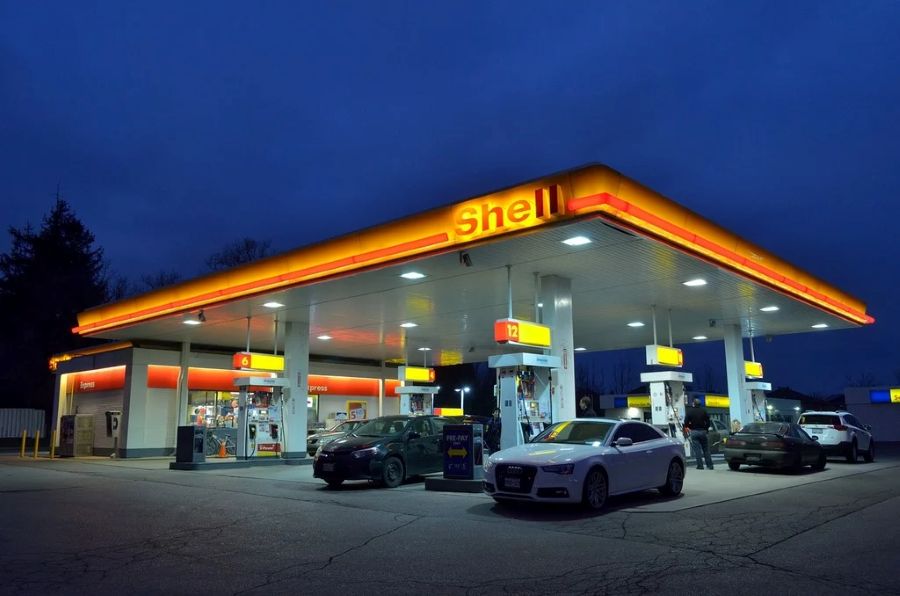
American drivers are getting slammed at the pump as gasoline and diesel prices surge amid tightening global oil supplies and escalating conflicts in Iran and Ukraine.
Analysts warned that another sharp jump could hit stations Wednesday and Thursday as retailers catch up with earlier wholesale price increases.
Tom Kloza, chief energy adviser at Gulf Oil, warned Tuesday that the next 24 hours could bring “staggering increases at the pump for both gasoline and diesel.”
Kloza said fuel margins have “yet to catch up with previous wholesale hikes,” raising the likelihood that drivers will see another round of increases.
“Watch for huge increases in Great Lakes and Rocky Mountain states in particular,” he added.
GasBuddy petroleum analyst Patrick De Haan issued a similar warning as fuel prices climbed to levels rarely seen in the United States.
“we’ve reached a new milestone—the U.S. average diesel price has hit $6.301/gal while gasoline is up to $4.355/gal.
“I expect both of these to jump noticeably over the next 48 hours. diesel could hit $6.60/gal in a few days, surpassing the inflation-adjusted peak seen in 2022.”
As attacks from Iranian allies choke off more of the world’s oil supply, Americans are dealing with higher gas prices. Costco is now rationing some motor oil. @MaryKBruce has the latest as Pres. Trump insists the crisis will soon pass. https://t.co/gSoouI3M92 pic.twitter.com/qDK8u48p4W
— World News Tonight (@ABCWorldNews) September 15, 2026
AAA reported Wednesday that the national average for regular gasoline had climbed to about $4.37 per gallon, up from roughly $4.33 Tuesday and $4.22 one week earlier.
Drivers are now paying more than a dollar per gallon more than they were at the same point last year, when the national average stood near $3.19.
California motorists are taking the biggest hit, with regular gasoline averaging about $6.04 per gallon.
Washington, Hawaii, Nevada, Oregon and Alaska were also averaging more than $5 per gallon.
Only a small group of states remained below the $4 mark, including Indiana, Texas, Mississippi, Louisiana, Alabama, Arkansas, Kansas, Missouri, Kentucky and Tennessee.
The spike is particularly unusual for September.
RELATED: Oil Prices Take Shocking Turn
Gas prices typically begin falling after Labor Day as summer travel demand fades and refiners transition to cheaper winter-grade gasoline.
That seasonal relief is now being overwhelmed by pressure in global energy markets.
“We usually see some limited seasonal drops as U.S. gasoline demand fades into the autumn and we change to winter gasoline, but that relief is in question and can be offset by new or continued escalations” in each of the wars in Ukraine and Iran, De Haan previously told Newsweek.
The war involving Iran has sharply disrupted shipping through the Strait of Hormuz, one of the most important energy chokepoints in the world and a route normally used for roughly one-fifth of global oil supplies.
Saudi Arabia has also faced new pressure after a drone attack damaged its East-West oil pipeline, an important route that allows crude exports to bypass the Strait of Hormuz and reach Red Sea ports.
RELATED: Fears In Middle East Explode As Iran-Backed Terrorist Group Seizes Key Port
Brent crude was trading near $107 per barrel Wednesday after spending much of the period before the Iran conflict closer to $70.
Diesel prices have climbed even faster.
AAA reported a national diesel average above $6.31 per gallon Wednesday, setting a new record.
The fuel is critical to trucking, agriculture and freight transportation, meaning sustained diesel increases can ripple through the broader economy by raising the cost of moving food, merchandise and other goods.
POLL: Should Foreigners Be Banned From Buying American Farmland?
