
Politics
Major U.S. Ally Cuts All Diplomatic Ties With Iran
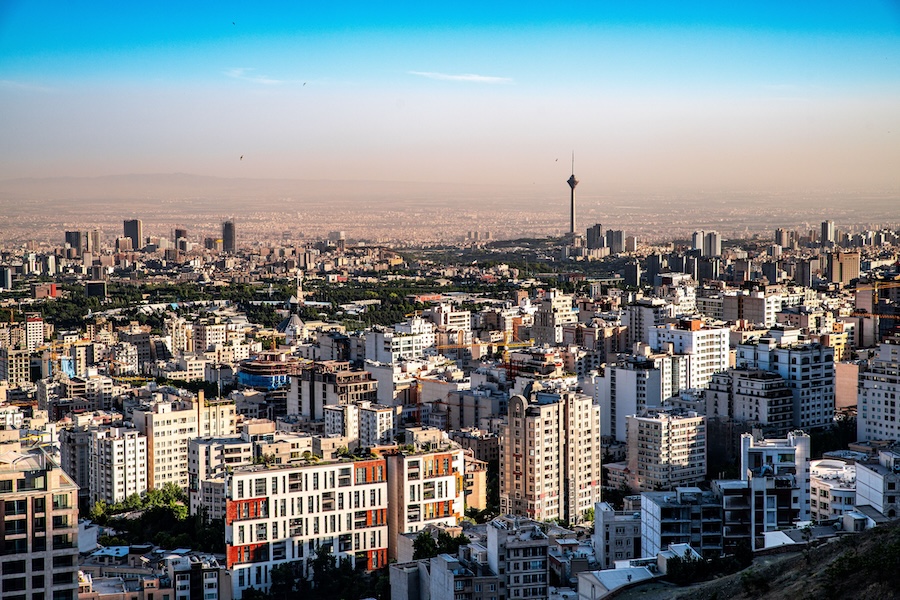
Colombia has formally severed diplomatic relations with Iran, marking a dramatic break between the two countries as Bogotá raises concerns about terrorism, regional security and Tehran’s nuclear program.
The Colombian Foreign Ministry announced Thursday that the decision officially took effect on September 19. The government cited national and hemispheric security as central reasons for cutting diplomatic ties with the Islamic Republic.
“This sovereign decision responds to the pillars that guide the Government’s foreign policy on national and hemispheric security, and the fight against transnational crime, taking into account alleged links between the Iranian government and international terrorist groups and other narco-terrorist groups that threaten the country’s security,” the ministry said in a statement.
Colombian officials pointed specifically to suspected connections between the Iranian government and international terrorist and narcoterrorist organizations. The government said those concerns pose a potential threat to Colombia’s security as it seeks to crack down on transnational criminal networks.
The government also cited documented human rights violations inside Iran, attacks against countries outside the ongoing Middle East conflict and Tehran’s blockade of the Strait of Hormuz.
Another major concern involved Iran’s nuclear program. Colombia accused Iranian authorities of obstructing efforts by the International Atomic Energy Agency to determine the scope of the country’s nuclear activities.
“Those events deteriorated Colombia’s trust in the government of the Islamic Republic of Iran,” the Foreign Ministry said.

Bogota, Colombia – June 25, 2026: Credential giving ceremony to President-elect Abelardo de la Espriella and Vice President-elect Jose Manuel Restrepo by the National Electoral Council
The diplomatic break does not completely eliminate contact between the two countries. Colombia said consular relations will remain in place under international agreements, allowing certain services and protections for citizens to continue despite the collapse in formal diplomatic relations.
The move represents a major change in Colombian foreign policy under President Abelardo de la Espriella, who took office in August after succeeding former President Gustavo Petro.
Relations with Tehran had continued under Petro, who received the credentials of Iranian Ambassador Ahmad Reza Kheirmand in 2023. Colombia and Iran originally established diplomatic relations in April 1975 and maintained ties for decades despite occasional disruptions in their level of representation.
De la Espriella’s administration has moved Colombia closer to both the United States and Israel since taking power. His government restored diplomatic relations with Israel after Petro had broken ties in 2024 during the war in Gaza. Colombia has also strengthened its relationship with Washington under President Donald Trump.
Bogotá took another step against Tehran by declaring Iran’s Islamic Revolutionary Guard Corps a terrorist organization, saying the group represents a danger to international peace and security. Colombian authorities also said they would strengthen immigration controls aimed at preventing individuals linked to the organization from entering the country.
“The defense of national sovereignty constitutes an unwavering pillar of Colombian foreign policy,” the ministry said.
With diplomatic relations now formally severed, Colombian officials said the Foreign Ministry’s protocol office will communicate with Iranian authorities regarding the procedures that follow the decision.
