
Politics
A Reckoning Nears As DOJ Runs Out Of Time On Epstein Files
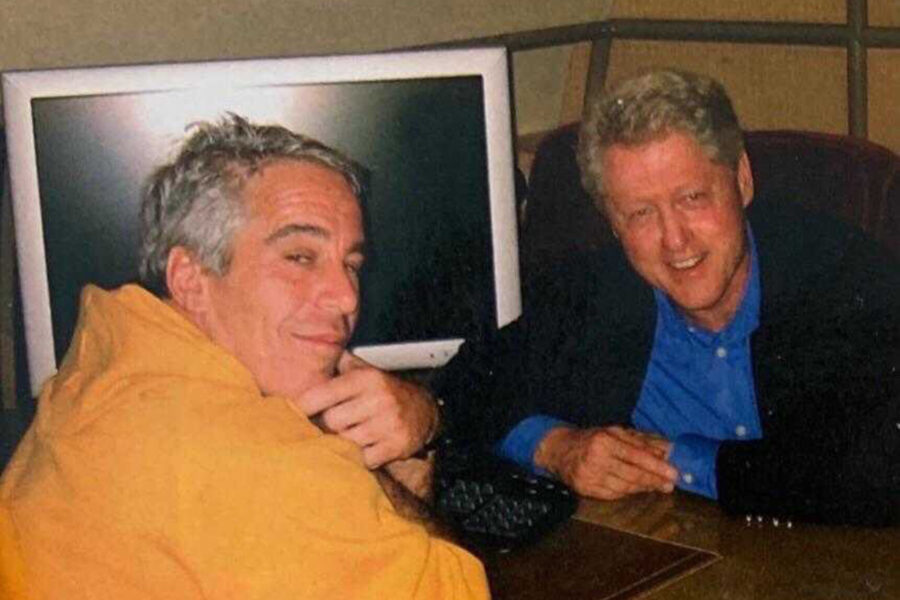
One of the lawmakers behind a new law mandating the release of the government’s Jeffrey Epstein files said he is giving the Justice Department until Friday to comply, while warning there will be consequences if it does not.
The Epstein Files Transparency Act, signed into law last month by President Donald Trump, “calls for the release, publicly, of these files,” Rep. Ro Khanna, D-Calif., told NBC News.
Khanna said the Justice Department has not responded to inquiries about when or how the records will be released but pointed to DOJ’s recent move to unseal grand jury materials as a sign officials may be trying to comply.
The law requires the department to make the files public by Dec. 19.
Khanna said the material could expose how Epstein wielded influence and intimidation.
He said the information “will show in certain cases how powerful men said that they had control over the local police in New York or had contacts with the FBI and told survivors not to report things because they would not go anywhere. That needs to come out.”
Khanna also said the files should shed light on Epstein’s private Caribbean island.
“It needs to come out, who the other powerful men were on Epstein’s rape island,” he said. “There were a lot of sex parties where women were trafficked for pay.”
A Justice Department spokesman did not respond to a request for comment Tuesday.
“Until the 19th, let’s give some benefit of the doubt, given that they’ve been supporting these judicial rulings,” Khanna said. “And then we’ll see.”
The department has previously been accused of slow-walking disclosures in the case. The House Oversight Committee subpoenaed DOJ for all Epstein-related records by Aug. 19. The department later said it needed more time and ultimately turned over more than 33,000 pages, which were released publicly in early September.
House Republicans called those documents the “first batch,” but no additional records have been produced since.
Khanna warned that if the files are not released by Friday, DOJ officials “would be breaking the law.”
While criminal charges are unlikely under the current administration, he said officials “could be subject to prosecution given the federal law, and the statute of limitations will likely run into a new administration.”
They also “could be hauled in front of Congress, the Oversight Committee,” and face potential federal lawsuits, Khanna said.
The law requires the attorney general to “make publicly available in a searchable and downloadable format all unclassified records, documents, communications, and investigative materials” held by DOJ related to Epstein and his accomplice, Ghislaine Maxwell.
Epstein, a politically connected financier with ties to figures including Donald Trump, former President Bill Clinton and Britain’s Prince Andrew, died by suicide in a New York jail in 2019 while awaiting trial on federal sex trafficking charges. All have denied wrongdoing.
A decade earlier, Epstein had avoided federal prosecution by pleading guilty to state charges involving a single underage victim after securing a secret nonprosecution agreement in Florida. He served 13 months in a Palm Beach County jail with work-release privileges and private security.
Maxwell is serving a 20-year prison sentence for conspiring to sex traffic minors.
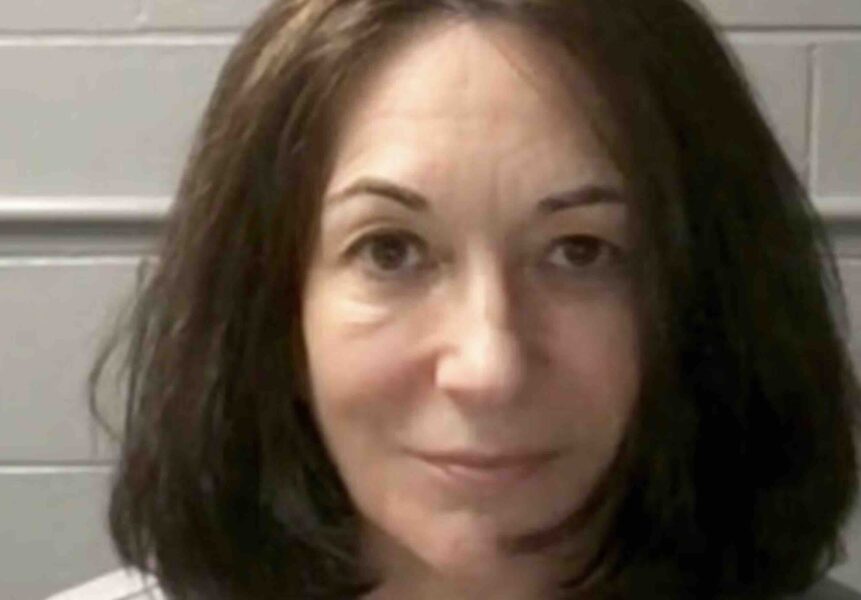
The law also calls for the release of information identifying people “including government officials” named in connection with Epstein’s crimes, civil settlements, immunity or plea deals, as well as entities tied to his trafficking or financial networks.
The attorney general may temporarily withhold records that would jeopardize an active investigation or prosecution, provided the withholding is narrowly tailored.
Trump last month directed Attorney General Pam Bondi to investigate Bill Clinton, Clinton’s former treasury secretary Larry Summers and Democratic donor Reid Hoffman after their names appeared in Epstein-related emails released by his estate. None were accused of wrongdoing. Trump’s chief of staff, Susie Wiles, later said Trump was “wrong” to suggest the emails contained incriminating material involving Clinton.
Khanna said even with limited redactions, only a small fraction of records should be withheld.
“That would be like less than 5% of the files,” he said. “There are so many documents.”
Epstein’s connections, the leniency he received and the circumstances of his death have fueled years of speculation. Khanna acknowledged that releasing the full files will not end all conspiracy theories but said it could provide closure for victims, whom the FBI has said number more than 1,000.
People “still have concerns about President Kennedy and Dr. King,” Khanna said, referring to John F. Kennedy and Martin Luther King Jr., “but do I think there’s going to be a sense that finally the government is trying to have accountability? Yes.”
Download the FREE Trending Politics App to get the latest news FIRST >>
