
Politics
BREAKING: IDF Launches Massive Coordinated Strike Across Lebanon
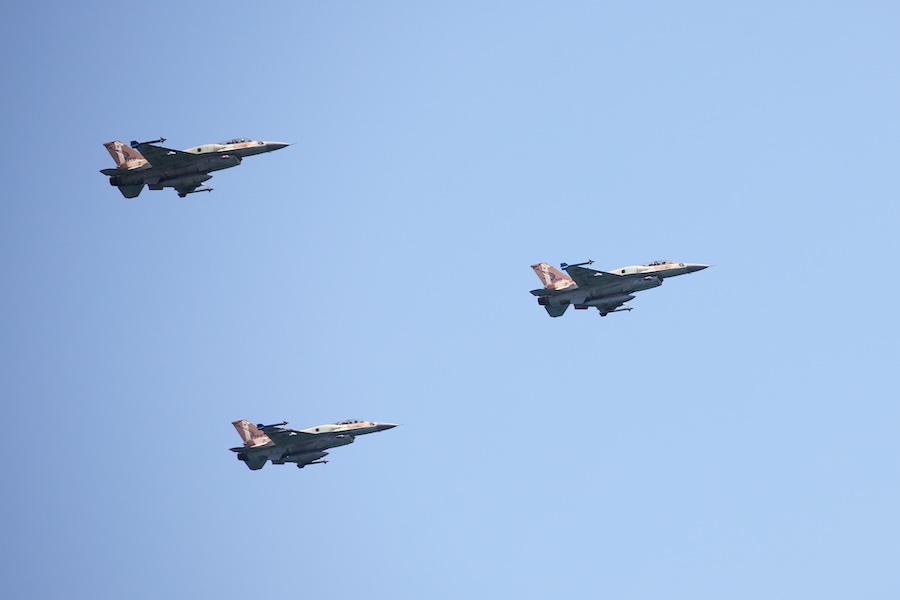
Israel dramatically escalated its campaign in Lebanon this week, carrying out one of the largest coordinated strikes of the ongoing regional conflict, as the fragile ceasefire continues to teeter on the edge of collapse.
According to a statement from the Israel Defense Forces, more than 180 Hezbollah operatives were killed in a rapid, large-scale operation targeting multiple targets across Lebanon. The strikes were executed “within a minute,” hitting roughly 100 targets simultaneously in Beirut, the Beqaa Valley, and southern Lebanon.
The IDF said the operation relied on “precise and high-quality intelligence” and focused on key Hezbollah infrastructure, including command centers, military compounds, and facilities used by senior operatives. Israeli officials described the targets as central to Hezbollah’s operational capabilities in the region.
Israeli officials also said efforts to limit civilian casualties, stating that precision-guided munitions and aerial surveillance were used to reduce harm to non-combatants.
Lt. Col. Nadav Shoshani said the massive strike didn’t happen overnight, describing it as the product of sustained intelligence efforts that unfolded over several weeks. According to Israeli officials, intelligence units closely monitored Hezbollah operatives as they shifted between apartments, offices, and various safe houses across Lebanon, building a detailed picture of their movements before the operation was launched.
WATCH:
“The timing had to do with the preparations,” Shoshani said to Fox News. “There was weeks of amazing intelligence.”
When pressed on whether the operation reflects Israel’s continued ability to penetrate Hezbollah’s network despite months of conflict, Shoshani pointed to the sheer scope of the strike.
“The fact that we were able to find 250 terrorists hiding in different locations in Lebanon, many of them in locations for recent weeks, eliminating them in real time, I think the capabilities speak for themselves,” he said.
Lebanon’s president, Joseph Aoun, issued a sharp condemnation of the strikes, as international concern quickly followed. Volker Türk also weighed in, describing the aftermath in stark terms.
“The scale of the killing and destruction in Lebanon today is nothing short of horrific,” said United Nations Human Rights Chief Volker Türk. “Such carnage, within hours of agreeing to a ceasefire with Iran, defies belief.”
“This response will continue until the Israeli-American aggression against our country and our people ceases,” Hezbollah said in a statement.
The latest escalation comes as the conflict rapidly expands beyond its original flashpoint.
The war began on February 28, when the U.S. and Israel launched major strikes on Iranian military targets, killing Supreme Leader Ali Khamenei and triggering swift retaliation.
Iran responded with hundreds of missiles and drones targeting Israel, U.S. bases, and Gulf allies, disrupting key shipping routes like the Strait of Hormuz and rattling global energy markets.
With Hezbollah now attacking from Lebanon, the conflict has become a multi-front war across the region.
Despite ongoing diplomatic efforts, a fragile ceasefire continues to teeter, with repeated flare-ups threatening progress. U.S. officials are working to restart peace talks, but the expanding fighting complicates those efforts.
While Israel has seen tactical wins, analysts warn there’s no clear endgame. Hezbollah, backed by Iran, can still regroup and strike, raising fears of prolonged instability.
RELATED: JUST IN: Trump Says Strait Of Hormuz Is ‘Permanently Open’ After ‘Talks’ With Xi Jinping
