
Politics
British Lawmakers Vote On Assisted Suicide Bill
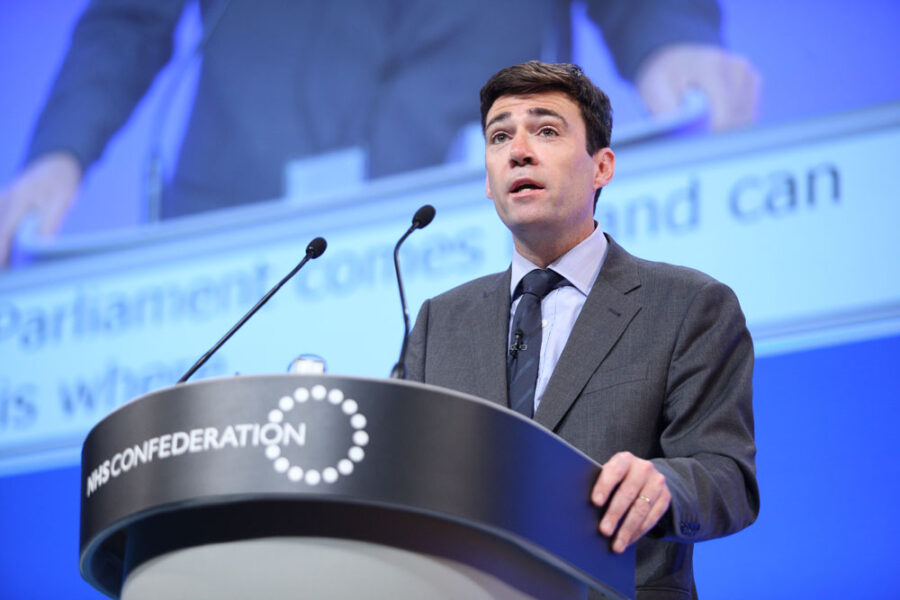
The British House of Commons on Friday voted against the Terminally Ill Adults (End of Life) Bill, which would have legalized assisted dying for certain terminally ill adults in England and Wales. The vote was 286 against and 270 in favor, with an additional 87 members not voting.
The government remained officially neutral, and lawmakers were given a free, or conscience, vote rather than being required to follow a party line. Prime Minister Andy Burnham did not vote.
The bill was a private member’s bill introduced by Labour MP Lauren Edwards, which was substantially the same as legislation previously sponsored by Labour MP Kim Leadbeater. That earlier bill passed the Commons at second reading in November 2024 by 330 votes to 275 and at third reading in June 2025 by 314 votes to 291. It then stalled in the House of Lords after more than 1,200 amendments were tabled and parliamentary time ran out at the end of the session. Edwards reintroduced the measure in 2026.
Under the rejected bill, eligibility would have been limited to adults aged 18 or over who were ordinarily resident in England or Wales for at least 12 months, registered with a GP in those nations, and judged to have mental capacity under the Mental Capacity Act 2005. The person would have needed a terminal illness or disease that could not be cured and from which they were reasonably expected to die within six months.
They would also have needed a clear, settled, and informed wish to end their life, reached voluntarily and without coercion or pressure.
POLL: Should The Ten Commandments Be Allowed In Every Public School?
BREAKING: British Parliament Defeats Bill to Legalize Assisted Suicide https://t.co/39E5n3NAlx pic.twitter.com/wCB2L8Z8Re
— LifeNews.com (@LifeNewsHQ) September 11, 2026
The proposed process included several stages. After a first written declaration, two doctors would have assessed the person independently, at least seven days apart. If both concluded the criteria were met, the case would have gone to a multidisciplinary Assisted Dying Review Panel. If the panel issued a certificate of eligibility, a 14-day reflection period would have followed.
The person would then have made a second declaration. Assistance would have taken the form of an approved substance that the person would self-administer. Doctors would not have been required to participate. The bill also created offenses covering inducement, coercion, and falsification of documents. The existing criminal offense of encouraging or assisting suicide would have continued to apply outside the bill’s framework
The bill will not proceed in the current session. Further attempts could be made in a later session, though no timetable has been set. Separate legislation in Scotland was rejected earlier in 2026.
RELATED: MLB Executive Fired After Admitting To Blackballing Catholic Pitcher
