
Politics
Christmas Day Gas Prices Estimated At Lowest Level In Five Years
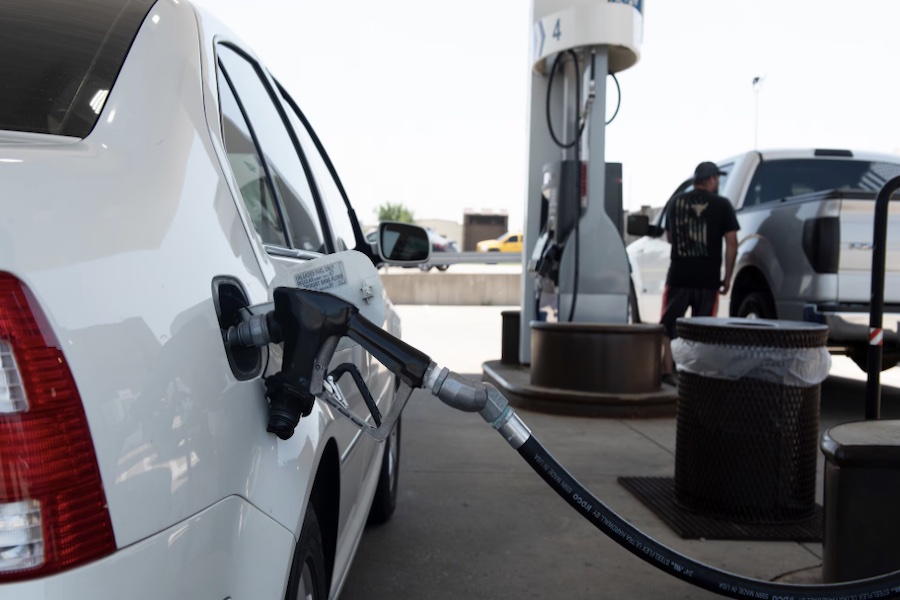
American motorists are seeing lower gasoline prices as the Christmas holiday approaches.
GasBuddy projects the national average for a gallon of regular gasoline to reach approximately $2.79 on Christmas Day 2025. This would mark the lowest Christmas Day average since 2020 and represent a decline from the $3.00 average recorded last Christmas.
As of mid-December 2025, the national average stands near $2.85 to $2.90 per gallon, the lowest levels since early 2021. Prices have fallen steadily in recent weeks, with decreases recorded in most states.
Lower averages are particularly evident in certain regions such as Oklahoma (around $2.22), Colorado ($2.39), and Texas ($2.41).
These reductions stem from several factors, including the completion of seasonal refinery maintenance, rising gasoline inventories, lower winter demand relative to summer peaks, and crude oil prices at multi-year lows.
“Christmas is often when gas prices settle near the lowest levels of the year, and 2025 is no exception. Refinery maintenance has wrapped up, supplies are rising, and winter demand is much lower than in summer — all of which help keep a lid on prices. Provided there are no surprises; holiday travelers should see pump prices that come in a bit lower than last Christmas,” said Patrick De Haan, head of petroleum analysis at GasBuddy.
These trends coincide with increased global oil supply, including contributions from OPEC+ production increases throughout much of 2025. The projected Christmas Day average is expected to result in savings of over $500 million for motorists during the holiday week when compared to the previous year.
The lower prices support record holiday travel volumes. AAA forecasts that 122.4 million Americans will travel 50 miles or more from home between December 20, 2025, and January 1, 2026, surpassing the previous record.
Of these, approximately 109.5 million are expected to drive, benefiting from the reduced fuel costs.
Economically, the decline in gasoline prices provides relief to households by lowering transportation expenses. Americans typically spend a significant portion of their budgets on fuel, and current levels represent the smallest share of disposable income allocated to gasoline in recent years. This contributes to moderated energy-related components in consumer price measures, reduced pressures on goods transportation costs, and additional spending capacity in other areas.
President Donald Trump’s “drill baby drill” agenda has emphasized increasing domestic energy production.
On his first day in office in January 2025, he signed an executive order declaring a national energy emergency and directing agencies to expedite permitting, review regulations, and promote development on federal lands and waters.
Subsequent actions have included streamlining approvals for projects and restarting reviews for liquefied natural gas exports. U.S. crude oil production has remained near record highs, adding to overall global supply.
Stay informed! Download the free Trending Politics News app today
