
Politics
CIA Retracts Controversial Biden-Era Document On ‘White Extremism’
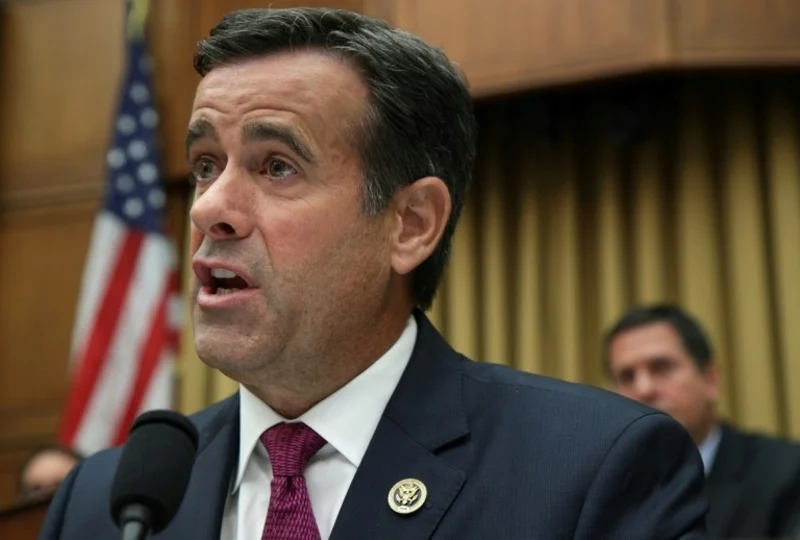
The CIA announced Friday that it would be revising or outright retracting 19 intelligence assessments issued over the last decade, including the Biden Administration’s controversial guidelines on “white” extremism.
Director John Ratcliffe had ordered the official retraction or substantive revision of 19 intelligence products produced over the past decade. These documents, spanning multiple administrations, were found after reviews to fall short of the agency’s analytic tradecraft standards and to lack independence from political considerations.
The decision followed an independent examination by the President’s Intelligence Advisory Board (PIAB), which assessed hundreds of finished analyses, and a concurrent internal CIA review led by Deputy Director Michael Ellis. Of the 19 affected products, 17 were fully retracted and removed from agency databases or use, while two received substantive revisions before re-release.
To illustrate the issues identified, the CIA publicly released redacted versions of three exemplar reports.
“The intelligence products we released to the American people today — produced before my tenure as DCIA — fall short of the high standards of impartiality that CIA must uphold and do not reflect the expertise for which our analysts are renowned,” Ratcliffe said.
“There is absolutely no room for bias in our work and when we identify instances where analytic rigor has been compromised, we have a responsibility to correct the record. These actions underscore our commitment to transparency, accountability, and objective intelligence analysis.”
One report, titled “Women Advancing White Racially and Ethnically Motivated Violent Extremist Radicalization and Recruitment,” was published on October 6, 2021. It examined the emerging role of women in transnational groups associated with “white racially and ethnically motivated violent extremism.”
The document described these groups as inciting, facilitating, or conducting violence based on the belief “that their perception of an idealized, white European ethnic identity is under attack from people who embody and support multiculturalism and globalization.”
It assessed that “female members have been emerging as key players of the transnational white racially and ethnically motivated violent extremist (REMVE) movement, amplifying narratives, radicalizing and recruiting others, and providing logistical support.”
Critics argued that the assessment strayed into domestic cultural debates by linking traditional gender roles, such as emphasis on motherhood or family structures, to radicalization pathways, though the report itself focused on overseas networks and acknowledged reliance on limited open-source information.
Another retracted document addressed global health impacts during the COVID-19 era. Titled “Worldwide: Pandemic-Related Contraceptive Shortfalls Threaten Economic Development” and dated July 8, 2020, late in President Trump’s first term. “The COVID-19 pandemic is limiting contraceptive access in the developing world and will probably undermine efforts to address population pressures there that are hindering economic development,” the document claimed.
The analysis connected pandemic disruptions — including supply chain breakdowns and restricted medical services — to reduced birth control availability, framing these as threats to long-term economic stability in vulnerable regions. While not focused on domestic COVID-19 guidelines like public health mandates, it tied secondary pandemic effects to broader demographic and development policy concerns.
A third example, “Middle East-North Africa: LGBT Activists Under Pressure,” originated near the end of the Obama administration in January 2015. “The tough stance taken against the lesbian, gay, bisexual, and transgender (LGBT) community by governments in the Middle East probably is driven by conservative public opinion and domestic political competition from Islamists, and is hindering US initiatives in support of LGBT rights,” the document read.
This report was cited as potentially reflecting specific policy advocacy rather than strictly neutral foreign intelligence assessment.
This episode occurs against the backdrop of broader efforts under Director Ratcliffe, appointed in late 2024, to emphasize analytic excellence and distance the agency from past controversies.
The CIA maintained that correcting the record in these cases reinforces public trust in its core mission of providing unbiased intelligence to policymakers.
