
Politics
Details Of Newly Proposed US-Iran Deal Revealed
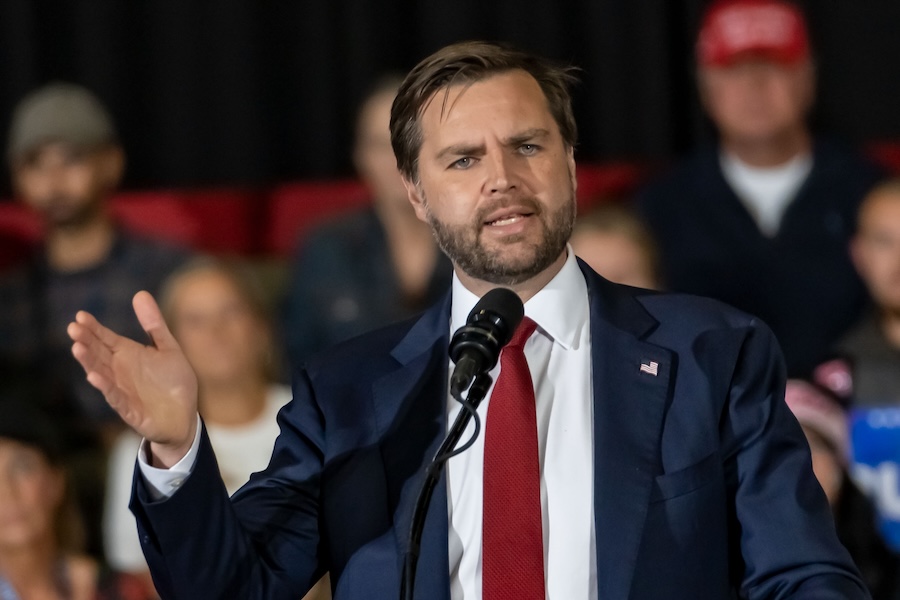
Vice President JD Vance left Islamabad early Sunday, warning the U.S. and Iran remain far apart on a core demand: guarantees Tehran can never build a nuclear weapon, “not just now, not just two years from now, but for the long term.”
Now, new details suggest what the Trump administration considers “long term” has a shelf life.
Behind closed doors, U.S. negotiators proposed a 20-year suspension of Iran’s nuclear activity rather than a permanent ban, according to people familiar with the talks. The framework would allow Iran to argue it hasn’t permanently surrendered its right under the Nuclear Nonproliferation Treaty to produce nuclear fuel.
Tehran isn’t biting, at least not yet.
Iranian officials countered with a much shorter timeline, offering to halt nuclear activity for up to five years, according to two senior Iranian officials and one U.S. official. It’s a familiar pitch. A nearly identical proposal surfaced during failed talks in Geneva in February, just days before President Donald Trump ordered strikes on Iran.
The standoff over timelines underscores the central sticking point that has dogged negotiations for years: Iran’s refusal to abandon its nuclear ambitions, dismantle its infrastructure, and ship its fuel stockpiles out of the country.
Still, the fact both sides are haggling over timeframes — instead of outright rejecting limits — is being read inside Washington as a sign a deal may be within reach. Officials say another round of in-person talks is under discussion, though nothing is set in stone.
RELATED: Trump Hints At Potential Development In Iran Talks
Any agreement, however, comes with political risk for Trump.
The president famously torched the 2015 Obama-era nuclear deal — the Joint Comprehensive Plan of Action — blasting it as a “horrible, one-sided deal that should have never, ever been made.” A major gripe was its built-in “sunsets,” which gradually eased restrictions on Iran’s nuclear program before expiring entirely by 2030.
The current proposal could invite comparisons.
Unlike the Obama deal, a full suspension would temporarily halt Iran’s nuclear activity altogether, potentially buying years of breathing room, possibly extending beyond Trump’s time in office.
“If they could get Iran to suspend for even a few years, that is superior to what we got in the J.C.P.O.A.,” said Rob Malley, who was on the negotiating team in 2015 for the Obama administration and then led an ultimately fruitless effort during President Joseph R. Biden Jr.’s administration to restore some kind of agreement.
For decades, U.S. strategy toward Iran has largely boiled down to one goal: delay.
That’s been done through cyber sabotage, sanctions, and diplomacy — all aimed at slowing Tehran’s march toward a bomb. The approach has worked, to a point. Iran has taken longer to reach nuclear capability than other countries that pursued weapons programs, including North Korea, India, Pakistan, and Israel.
But the clock keeps ticking.
Officials speaking on condition of anonymity said both sides are still maneuvering behind the scenes, with leaks emerging as part of the pressure campaign. The Trump administration, like its predecessors, is trying to keep negotiations tightly under wraps to preserve flexibility.
Vance signaled cautious optimism after the Pakistan talks, saying there were “some good conversations” and making clear the next move belongs to Tehran.
“The big question from here on out is whether Iranians will have enough flexibility,” he said on Fox News.
He added that Iran showed some willingness to engage but “didn’t move far enough,” and suggested any decision on further talks now rests with the regime.
Download the FREE Trending Politics App to get the latest news FIRST >>
