
Politics
DHS Planning Major Voter Fraud Investigation Surge Ahead Of Midterms
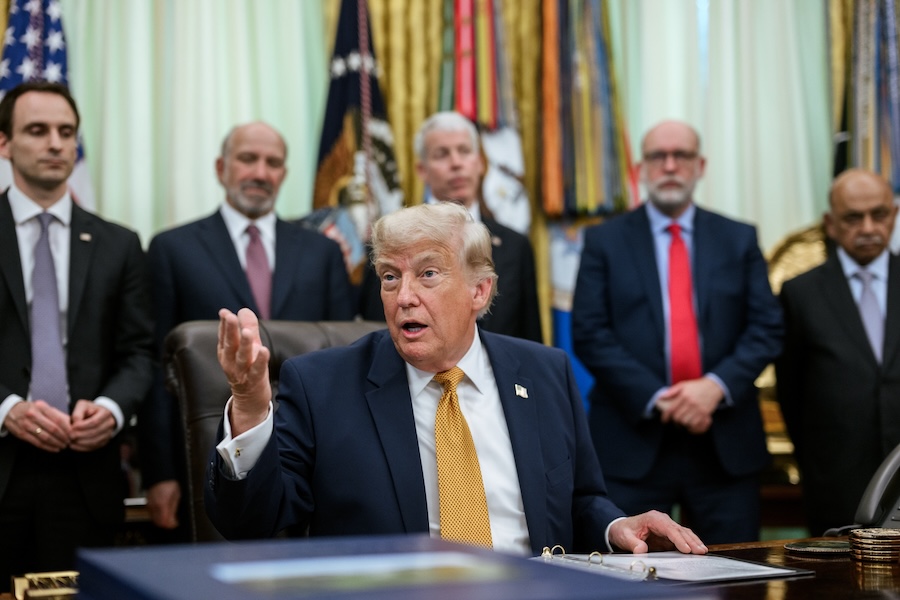
The Department of Homeland Security is preparing to dramatically expand voter fraud investigations across a group of battleground and Democrat-led states beginning Tuesday, putting federal investigators on the ground just weeks before the 2026 midterm elections.
Homeland Security Investigations will launch what officials are calling a “coordinated criminal voter fraud surge initiative” beginning September 1. The effort is expected to run through mid-October and will involve investigators pursuing leads, interviewing individuals and preparing potential cases for prosecutors, according to internal federal guidance reviewed by CNN,
Nine states are expected to see investigative action: California, Connecticut, Georgia, Missouri, Nevada, New York, Pennsylvania, Washington and Wisconsin. The deployment marks another significant escalation in the Trump administration’s effort to investigate allegations involving noncitizens who may have illegally registered or cast ballots.
HSI, an investigative arm of Immigration and Customs Enforcement, traditionally focuses on crimes including human trafficking, drug smuggling and child exploitation. Under President Donald Trump, however, the agency has increasingly been tasked with election-related investigations, particularly cases involving suspected noncitizen voting.
The timing is notable. The initiative will take place as states move closer to November’s midterm elections, when control of Congress will be decided.
Historically, federal prosecutors have been discouraged from taking highly visible investigative steps close to elections if those actions could affect campaigns or voting. That Justice Department policy does not directly bind DHS, however, and the internal DHS guidance reportedly makes no mention of those traditional timing concerns.
Homeland Security Secretary Markwayne Mullin has emerged as one of the administration’s leading figures on election enforcement. DHS has pressured states to cooperate with federal reviews of voter rolls while warning that states refusing to adopt certain election-security measures could risk federal funding.
The department has already announced several voter fraud cases.
Earlier this month, DHS announced that an HSI investigation resulted in charges against Chinese national Yupeng Sun. Prosecutors alleged Sun impersonated another Chinese national while registering to vote in Massachusetts and then submitted an early ballot during the 2024 presidential election.
The Justice Department and DHS also maintain a joint election-integrity initiative highlighting enforcement actions involving alleged illegal voting and voter registration. Recent DHS cases listed by the government include arrests involving foreign nationals accused of illegally participating in federal elections.
The crackdown has nevertheless generated a fierce dispute over the scale of the problem.
Earlier this summer, DHS said a preliminary review indicated that more than 250,000 potential noncitizens were registered across California, Pennsylvania, New Jersey and Nevada. State officials challenged those figures and demanded more information about the department’s methodology. Subsequent reporting showed DHS’s initial Nevada figure was far less definitive after additional review, with only a fraction categorized as confirmed matches.
Election experts and voting-rights groups maintain that documented noncitizen voting is rare and have warned that inaccurate database matches could mistakenly identify eligible voters. The administration, meanwhile, argues that even illegal votes occurring on a smaller scale deserve investigation and prosecution.
Mullin has made clear that DHS intends to continue aggressively examining voter rolls and suspected illegal voting.
“If you’re illegal and attempted to vote, or you tried to vote illegally for someone else, we will find you, and we will charge you,” Mullin told reporters in July.
With the new investigative surge beginning Tuesday and continuing into October, that warning is now being backed by a substantial deployment of federal investigative resources just as the midterm campaign enters its final stretch.
