
Politics
Disaster Declaration Declared After Second Case Of Flesh-Eating Livestock Parasite Discovered In Texas
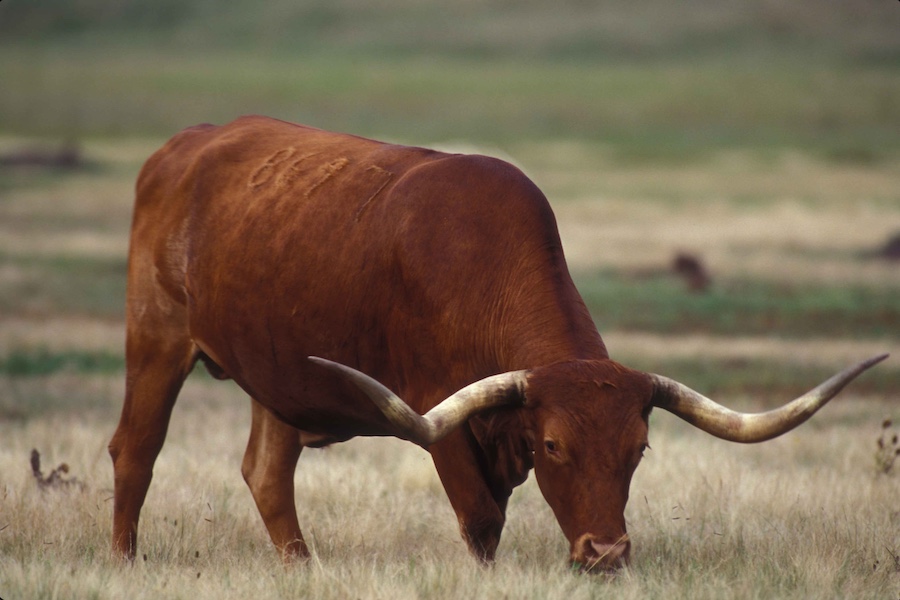
Texas Governor Greg Abbott has signed a disaster declaration after a second case of the New World screwworm was discovered not far from the U.S. border with Mexico.
The New World screwworm is a parasitic fly whose larvae infest and feed on the living tissue of warm-blooded animals, including livestock, wildlife, pets, and occasionally humans. Female flies lay eggs in open wounds or mucous membranes, and the hatching larvae burrow into the flesh, causing tissue damage that can lead to severe injury or death if untreated.
This pest differs from other flies that feed only on decaying matter, as screwworm larvae actively consume healthy tissue, often resulting in spiral-shaped wounds that give the parasite its name.
The first confirmed case in the United States in decades occurred on June 3, in a three-week-old calf in Zavala County, Texas, near the town of La Pryor, approximately 30 miles northeast of the U.S.-Mexico border. Larvae were identified in the calf’s umbilical area, officials said.
This detection marked the initial U.S. confirmation following the pest’s northward spread from South America through Central America and Mexico, where it had been advancing since around 2023.
A second case was confirmed on June 5, in another young calf (approximately one month old) in Zavala County, roughly 5.6 miles from the first detection site.
In response to these findings, state and federal authorities established a 20-kilometer infested zone with quarantine and movement controls for warm-blooded animals and carcasses in Uvalde and Zavala Counties. Governor Abbott issued the statewide disaster proclamation on June 5, which certified the threat to Texas’ livestock industry and economy under Texas Government Code provisions.
The proclamation authorizes the use of state resources, prioritizes response efforts in affected counties, and supports coordination through the Texas New World Screwworm Response Team led by the Texas Animal Health Commission (TAHC) and Texas Parks and Wildlife Department (TPWD).
Screwworm can be combatted through a combination of surveillance, treatment, and population control measures. Key strategies include prompt wound treatment with approved insecticides or medications, strict animal movement restrictions and quarantines, and the sterile insect technique (SIT).
SIT involves mass-rearing male flies, sterilizing them with radiation, and releasing them to mate with wild females, which then produce nonviable eggs. This method, pioneered in the mid-20th century, successfully eradicated screwworm from the United States by 1966 after it had caused significant livestock losses.
Facilities in Texas, such as the Moore Air Base sterile fly dispersal site and others, now produce and release millions of sterile flies weekly to contain the current threat. Additional efforts encompass extensive trapping (over 8,000 traps along the border), testing of samples, wildlife inspections, and public education for ranchers and veterinarians.
The last major U.S. outbreak occurred in the 1960s, prior to full eradication, with smaller incidents noted in subsequent decades
Before eradication, screwworms inflicted substantial economic damage on the cattle industry through animal mortality, reduced weight gain, and treatment costs. In Texas and broader regions, historical outbreaks affected not only livestock but also wildlife populations, such as white-tailed deer, sometimes leading to losses exceeding 50 percent in heavily impacted areas
The current situation poses risks to Texas’ multi-billion-dollar cattle sector, which supports beef production and related economic activities nationwide.
RELATED: Ebola Contact Tracing In Congo ‘Nearly Impossible,’ WHO Says
