
Politics
‘HIGHLY LIKELY’: US Ally Issues Major Warning On Strait Of Hormuz
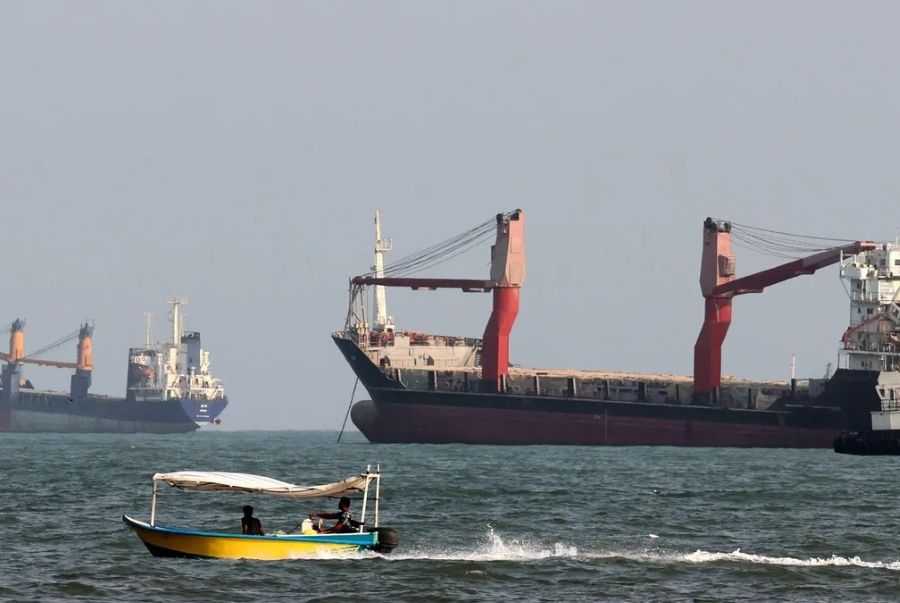
A major U.S. ally is sounding the alarm over one of the world’s most critical shipping lanes, warning that hostile action in the Strait of Hormuz remains “highly likely” as tensions across the Middle East continue to simmer.
The United Kingdom Maritime Trade Operations Centre issued a new security assessment Friday warning commercial vessels that the threat environment across the region “remains elevated” because “no diplomatic resolution has been achieved.”
The starkest warning was reserved for the Strait of Hormuz, the narrow waterway connecting the Persian Gulf to the Gulf of Oman and a vital route for global energy shipments.
UKMTO assessed the risks as follows: “Strait of Hormuz SEVERE (hostile action highly likely, continued navigation interference and potential mining activity); Gulf of Oman MODERATE (ongoing electronic interference and enforcement activity); Arabian Gulf MODERATE (navigation interference and residual kinetic risk remain present).”
The warning comes after months of attacks, military activity and navigation disruptions involving commercial vessels in and around the strategically vital waterway.
UKMTO said ships using the southern portion of the strait continue to face particularly serious dangers.
“Commercial vessels continue to be targeted on the southern route, with ongoing military activity sustaining an increased risk to maritime operations,” according to UKMTO.
The maritime security agency said dozens of projectile strikes have been reported since early July, with a large majority occurring along the southern Omani route.
With reports continuing to come in that Iran has targeted commercial and naval shipping in the Strait of Hormuz, the United Kingdom Maritime Trade Operations (UKMTO) Centre has provided updates for incidents reported yesterday, saying that tankers were struck by unknown… pic.twitter.com/l6LI8MVC2d
— OSINTdefender (@sentdefender) September 30, 2026
“Since 6 Jul 26, 31 of 48 projectile strike incidents reported to UKMTO have occurred on the southern Omani route. There is probably other projectile strikes occurring that have NOT been reported to UKMTO,” it also said.
Recent UKMTO reports have documented tankers being struck by unidentified projectiles in the Strait of Hormuz, including incidents that sparked fires aboard vessels. Crews in several of the reported attacks were said to be safe.
The continuing danger has not stopped energy shipments from moving through the chokepoint.
Reuters reported Friday that 19 liquefied natural gas cargoes passed out of the Strait of Hormuz in September, citing data from S&P Global Energy.
RELATED: Middle East Exports Rebound As Iran’s Chokehold On Strait Of Hormuz Falters
That represented the highest monthly level since the U.S.-Iran conflict erupted in February.
Thirteen of those LNG cargoes originated in Qatar and six came from the United Arab Emirates, according to the report.
The increase signals that shipping activity is recovering despite the serious security risks surrounding the strait.
Before the conflict, the Strait of Hormuz handled roughly one-fifth of the world’s crude oil and liquefied natural gas shipments, making any prolonged disruption a major concern for global energy markets.
Some vessels have reportedly attempted to reduce their exposure by switching off automatic identification system transponders during portions of their journeys, making their movements harder to track publicly.
For now, the British maritime warning makes clear that increased shipping traffic should not be mistaken for a return to normal conditions.
With diplomatic efforts still failing to produce a lasting resolution and commercial vessels continuing to report attacks and interference, UKMTO’s assessment leaves little room for ambiguity: the Strait of Hormuz remains one of the most dangerous commercial shipping routes in the world.
POLL: Should Migrants Who Murder Americans Face The Death Penalty?
