
Politics
Iran Launches Surprise Attack On Middle Eastern Country
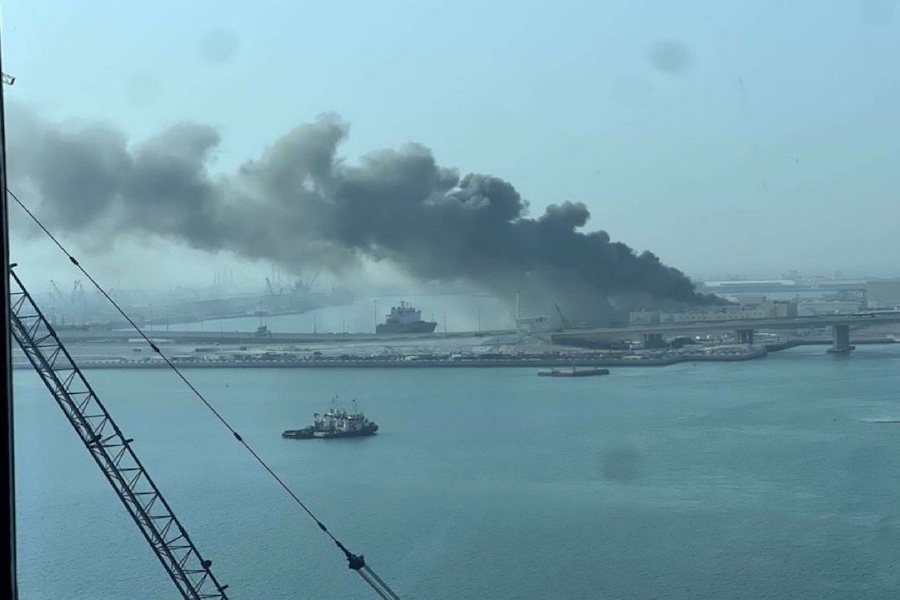
Kuwait accused Iran of attempting a covert strike on a strategically vital island earlier this month, alleging that operatives linked to Tehran’s Revolutionary Guard tried to infiltrate a Chinese-backed port project in a move that threatens to reignite the already volatile Middle East conflict.
The explosive accusation surfaced Tuesday just hours before President Donald Trump was set to depart for Beijing for high-stakes talks with Chinese President Xi Jinping, where the ongoing Iran war and global energy turmoil are expected to dominate discussions.
Iran has not publicly responded to Kuwait’s allegations. But the accusation adds to mounting fears that the fragile ceasefire in the region could collapse at any moment as tensions continue boiling across the Persian Gulf.
The Iranian “surprise attack” claim centers around Bubiyan Island, a strategic Kuwaiti island near Iraq and Iran that is home to the massive Mubarak Al Kabeer Port project. The port is being developed with Chinese assistance as part of Beijing’s sweeping Belt and Road initiative.
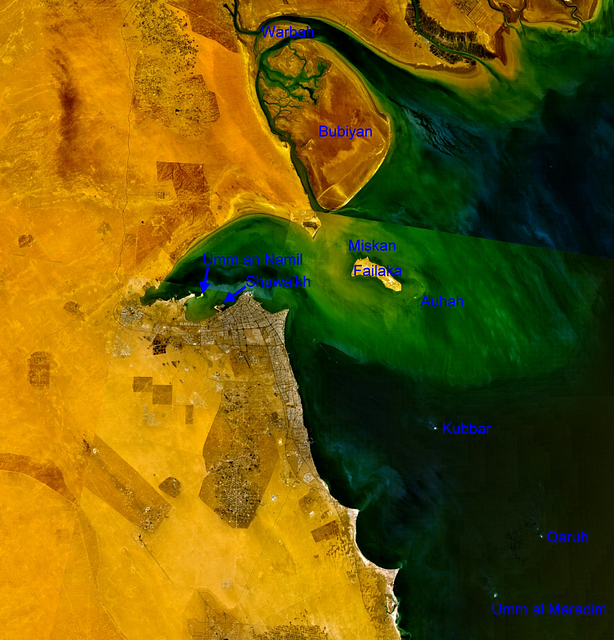
Satellite image of Kuwaiti islands, including Bubiyan
According to Kuwaiti officials, a Revolutionary Guard-linked paramilitary team attempted to infiltrate the island on May 1 with plans to carry out “hostile acts.” Authorities said four suspects were captured while two others escaped during the confrontation. One Kuwaiti security officer was reportedly wounded during the operation.
Kuwait initially announced the security incident on May 3 without identifying Iran as the alleged culprit. Officials did not explain Tuesday why they waited days before publicly linking Tehran to the operation.
RELATED: Trump Reveals Embarrassing Defeat For Iran As US Thwarts 111 Missiles In Strait Of Hormuz
The accusation comes as the Middle East remains on edge following weeks of escalating military exchanges and economic warfare.
Iran continues to maintain control over the strategically critical Strait of Hormuz, while the United States has kept pressure on Tehran through an ongoing blockade. The standoff has rattled global energy markets and fueled fears of a broader regional war.
China also has major interests at stake. Beijing remains one of the largest buyers of sanctioned Iranian crude oil and has been hit hard by disruptions tied to the strait’s closure and the resulting global energy crunch.
The conflict has also accelerated military cooperation between Israel and several Gulf nations wary of Iran’s ambitions.
U.S. Ambassador to Israel Mike Huckabee revealed Tuesday that Israel has deployed Iron Dome missile defense batteries and military personnel to the United Arab Emirates to bolster the country’s defenses.
RELATED: Trump Reveals Embarrassing Defeat For Iran As US Thwarts 111 Missiles In Strait Of Hormuz
“I’d like to say a word of appreciation for United Arab Emirates, the first Abraham accord member,” Huckabee said during a conference in Tel Aviv. “Just look at the benefits. Israel just sent them Iron Dome batteries and personnel to help operate them.”
The deployment marks the first publicly acknowledged placement of Israeli military assets inside the UAE, a major milestone in the growing alliance between the two countries since the Abraham Accords were signed in 2020.
The UAE’s diplomatic normalization with Israel drew immediate backlash from Iran at the time, with Tehran long accusing Gulf nations of assisting Israeli intelligence operations in the region.
Iran did not immediately respond to Huckabee’s comments, though Iranian officials have repeatedly alleged over the years that Israel maintains covert military and intelligence networks inside the Emirates.
With Trump now heading to Beijing amid the growing crisis, global attention is increasingly focused on whether the conflict can be contained before another major military escalation erupts in the Gulf.
Download the FREE Trending Politics App to get the latest news FIRST >>
