
Politics
JUST IN: SCOTUS Issues 6-3 Ruling In Closely-Watched Case
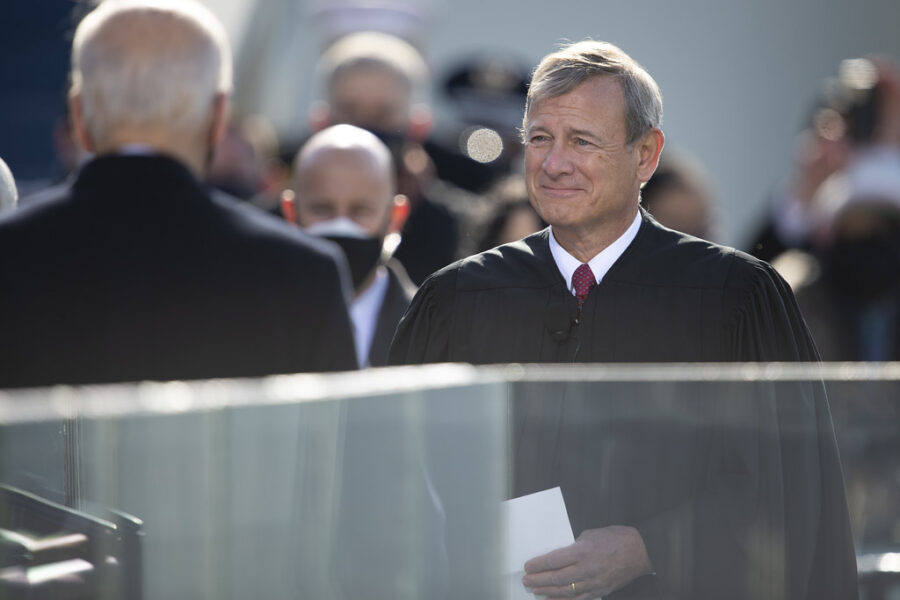
The U.S. Supreme Court on Tuesday granted an emergency request from the Trump Administration that pauses lower-court orders that had restricted a policy of sending some people with final deportation orders to countries other than their own.
The unsigned order lets the practice continue while the justices hear arguments in December and later issue a full decision on the legal questions. Justices Sonia Sotomayor, Elena Kagan, and Ketanji Brown Jackson noted they would have denied the request.
In practical terms, the ruling will allow immigration officials to remove certain illegal aliens to a “third country” — a nation where the person is not a citizen and typically has no family, language, or other ties — without first telling them the specific destination.
The policy applies when the person’s country of origin will not accept them or when they already have legal protection against being sent home because of a risk of persecution or torture. Receiving countries provide general diplomatic assurances that they will not persecute or torture the people sent to them.
POLL: Should Ilhan Omar Be Deported If Found Guilty Of Immigration Fraud?
BREAKING: SUPREME COURT HANDS TRUMP ADMINISTRATION MAJOR WIN ON THIRD-COUNTRY DEPORTATIONS
The Supreme Court is allowing the Trump administration to resume deporting certain migrants to countries other than their own — including nations where they have no previous connection —… pic.twitter.com/dov1TiCPCz
— Real America's Voice (RAV) (@RealAmVoice) September 29, 2026
A federal district judge in Massachusetts had ruled that the process did not give people adequate notice or an opportunity to object under federal immigration law and the Constitution’s due process protections. The First Circuit Court of Appeals largely agreed. Those rulings required officials to notify individuals of the planned destination and allow them to present evidence of possible danger before removal.
The Supreme Court’s stay puts those requirements on hold during the appeal. The Court has asked the parties to address whether the policy conflicts with federal statutes, regulations, or the Due Process Clause.
Tuesday’s ruling marks the latest step in a case that began in 2025 after the Department of Homeland Security issued guidance expanding third-country removals. The administration has described the approach as a necessary tool for carrying out removal orders when the usual destination is unavailable.
The third-country deportation policy, put in place in 2025, permits U.S. officials to send people with outstanding removal orders to nations that have agreed to accept them, rather than to their countries of nationality. Agreements have been reached with several dozen countries, primarily in Latin America and Africa.
Available tracking data indicates that more than 25,000 people have been removed to third countries since early 2025, with the large majority — roughly 20,000 — sent to Mexico.
RELATED: ICE Arrests Illegal Alien With Alleged Ties To The Assassination Of Conservative Leader
