
Politics
JUST IN: Supreme Court Goes Against Trump In Consequential Midterms Ruling
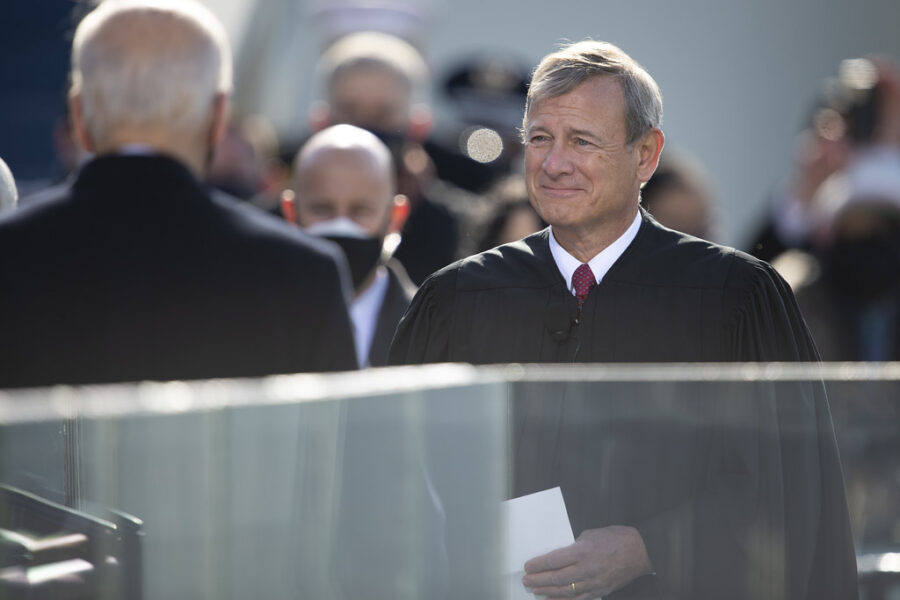
The U.S. Supreme Court on Monday declined a request from the Trump Administration to allow the U.S. Postal Service to put a new rule on mail-in ballots into effect for the upcoming midterm elections.
The unsigned order left in place a federal district court injunction that had blocked the rule. The justices stated that the government was unlikely to succeed on the merits of its challenge and that the factors for granting emergency relief did not support lifting the lower-court order.
Justice Brett Kavanaugh wrote a short concurrence agreeing with the outcome. He said there was a fair prospect that the Postal Service had the legal authority to issue the rule. However, he added that applying it for the 2026 elections would be arbitrary and capricious because state and local election officials did not have enough time to put the changes in place reasonably before voting.
Justices Samuel Alito and Clarence Thomas dissented. They argued the government was likely to prevail and that some challengers lacked standing to sue.
POLL: Will You Support Trump And His Candidates In The Midterms?
BREAKING: The Supreme Court has refused to let USPS’s new mail-ballot rules take effect for the 2026 midterms. Justices Alito and Thomas dissent. pic.twitter.com/D27sx76txJ
— SCOTUS Wire (@scotus_wire) September 14, 2026
The ruling stemmed from a March 2026 executive order directing the Postal Service to create uniform standards for federal mail-in and absentee ballots. The final rule required states to use specific envelope designs that included an official election-mail logo, unique barcodes for tracking, and compatibility with automated sorting equipment.
States also had to submit lists of voters who would receive mail ballots through a Postal Service portal before the ballots could be mailed. Non-compliant ballots could be rejected and returned to election officials. The administration described the changes as modest steps to improve tracking and integrity.
Challengers, including a group of states led by California and voting-rights organizations, said the requirements interfered with states’ constitutional role in running elections and would create practical problems so close to Election Day.
A federal judge in Massachusetts had already blocked the rule, finding that implementation this close to the November 3 elections risked widespread disruption. Some states, including North Carolina and Alabama, had already begun sending ballots. Election officials from both parties argued that last-minute changes could lead to delays, errors, and confusion.
For the 2026 midterms, the decision means mail-in voting will continue under existing state laws and Postal Service practices. Voters who planned to use mail ballots can do so without new federal envelope or data-submission requirements.
Mail voting has become a common method, accounting for a substantial share of ballots in recent elections. Sudden changes near an election can create uncertainty that leads some voters to miss deadlines or choose not to participate. Officials noted that rural jurisdictions and those with limited printing or technology resources would have faced particular difficulties meeting the new envelope and portal requirements in the remaining weeks.
The ruling is limited to the current election cycle. It does not decide whether the Postal Service ultimately has authority to impose such rules or whether the specific requirements are lawful. Those questions remain in the lower courts. The case can continue through the regular appeals process, and the Supreme Court could take it up later on the merits.
Depending on how the litigation ends, similar or revised rules could apply in future elections, including 2028, if the courts ultimately uphold the Postal Service’s authority and officials have adequate time to implement any changes.
RELATED: DOJ Launches Investigation After Dem Governor Admits Non-Citizens Voted In Elections
