
Politics
JUST IN: UAE Quits OPEC In Major Blow To Iran, Middle East Oil Cartel
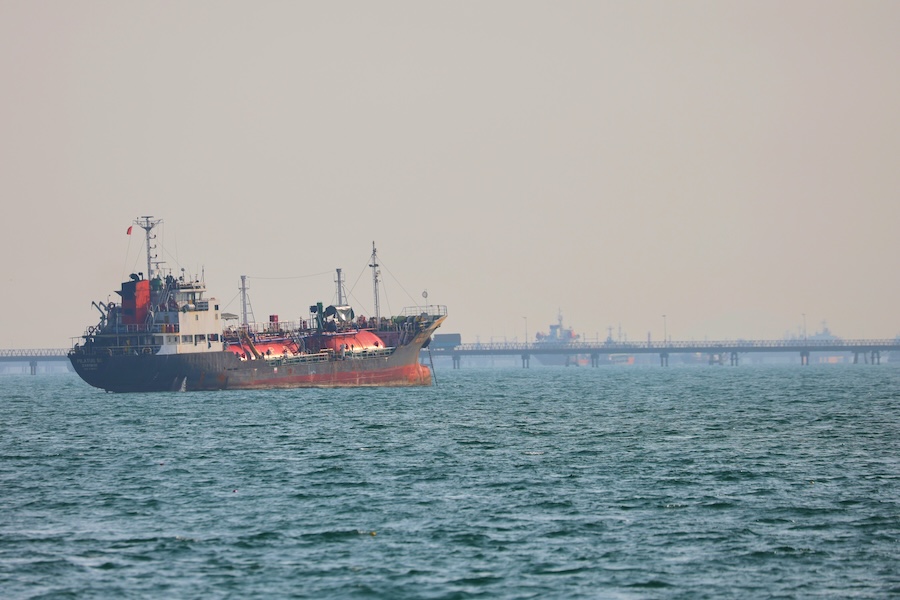
The United Arab Emirates is breaking away from OPEC, announcing Tuesday it will exit the oil cartel effective May 1 in a move that could shake global energy markets.
The decision lands as a major setback for OPEC, the alliance that has long coordinated oil production among some of the world’s biggest exporters.
The timing is hard to ignore. The UAE has been under sustained pressure from fellow OPEC member Iran, which has launched weeks of missile and drone attacks while also tightening its grip on the Strait of Hormuz, a critical shipping lane. The disruption has choked off exports and put the UAE’s oil-driven economy under strain.
The UAE ranked as OPEC’s third-largest producer as recently as February, trailing only Saudi Arabia and Iraq. It has been part of the group since 1967 and has played a key role in shaping production policy over the decades.
RELATED: Iranians Storm Strait Of Hormuz ‘Armed To The Teeth’
Officials stopped short of directly tying the exit to the regional conflict, instead framing it as a strategic shift.
“We reaffirm our appreciation for the efforts of both OPEC and the OPEC+ alliance and wish them success,” the energy ministry said in a statement.
The ministry said the move follows a broad review of the country’s production strategy and is aimed at putting the UAE’s national interests first.
Leaving OPEC will give the country more flexibility to adjust output and respond to rapidly changing market conditions, officials said, signaling a break from the cartel’s tightly managed production quotas.
Download the FREE Trending Politics App to get the latest news FIRST >>
