
Politics
Mamdani Declares Budget Crisis Four Months After Becoming NYC Mayor
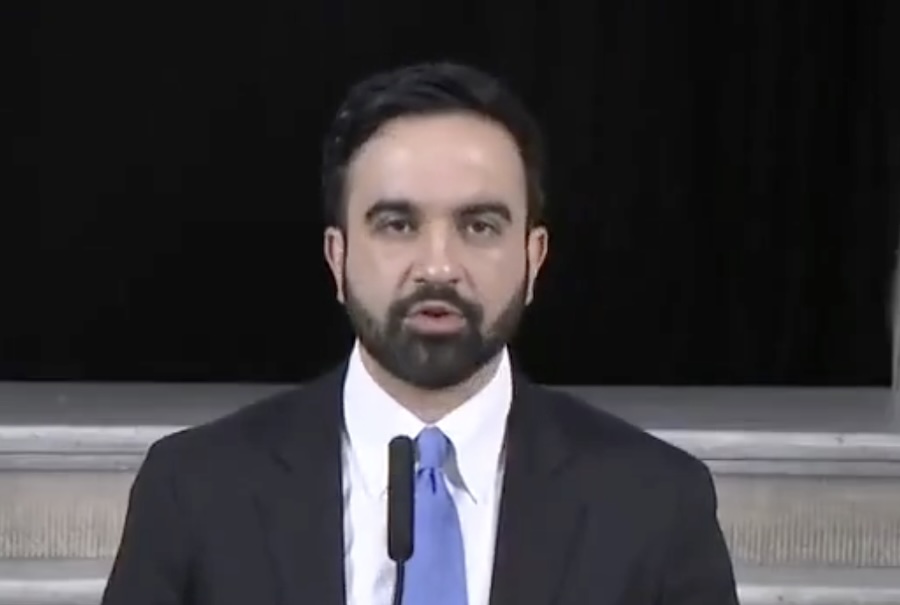
Just four months after taking office, Zohran Mamdani is warning that New York City is staring down what he calls a “budget crisis of historic magnitude,” driven by years of fiscal imbalance and mounting expenses that now threaten to upend the city’s finances.
In a public address, Mamdani laid out the scope of the problem in blunt terms, saying the city inherited “a deficit larger than any since the Great Recession.”
“We cannot close this deficit with savings alone,” Mamdani said. “We need new revenue. And we need a structural reset in our relationship with the state.”
The budget gap is currently estimated between $5.4 billion and $6 billion, according to city officials—one of the largest shortfalls in recent memory. While not entirely unexpected, the size and urgency of the deficit have forced the new administration into a high-stakes fiscal battle just months into Mamdani’s tenure.
The mayor’s office argues the crisis is the result of long-term structural deficits combined with rising costs that outpaced earlier projections. Among the biggest drivers are ongoing expenses tied to migrant services, social programs, and other recurring obligations that have continued to grow.
Mamdani has also suggested that the previous administration left behind overly optimistic financial assumptions, which he says masked the true extent of the city’s fiscal challenges. Those assumptions, combined with current spending pressures, have now created a gap that cannot be closed through routine budget adjustments alone.
To address the shortfall, Mamdani is pushing for a combination of increased state aid and new revenue measures. He has called on lawmakers in Albany to step in, arguing that the city cannot resolve the crisis without broader structural changes. Standing alongside City Council Speaker Menon, Mamdani announced plans to delay the city’s executive budget deadline until May 12, giving negotiators more time to work with state leaders.
WATCH:
“A crisis at this scale cannot be solved without state action,” he said.
However, that appeal is already facing resistance. Kathy Hochul and other state officials have signaled opposition to major tax increases, instead urging the city to rein in spending and find savings within its existing budget.
That leaves Mamdani navigating a narrowing path forward. On one hand, he has floated potential tax increases on high-income residents and possible adjustments to property taxes as a last resort.
On the other, he has pledged not to impose new financial burdens on working-class New Yorkers—a balancing act that could prove difficult as negotiations intensify.
The administration has already begun identifying spending cuts, though Mamdani emphasized that those reductions would be made “carefully, deliberately, and without cutting the services that New Yorkers rely on.”
Still, critics argue that avoiding service cuts while closing a multi-billion-dollar gap may not be realistic without significant new revenue or concessions from the state.
The situation has quickly become a defining early test for Mamdani’s leadership. While he maintains the crisis is rooted in long-standing structural issues rather than sudden missteps, the timing—just months into his first term—has raised questions about how effectively the administration can stabilize the city’s finances.
For now, the mayor is making clear that the clock is ticking.
“We are committed to governing with the fiscal responsibility this moment demands,” Mamdani said. “But we cannot do it alone.”
With budget negotiations underway and tensions rising between city and state leaders, the coming weeks will determine whether New York City can close the gap—or face deeper financial strain heading into the next fiscal year.
RELATED: Mamdani Signs Order Banning New Yorkers From Celebrating America’s 250th In Times Square
