
Politics
Netanyahu Claims Iran’s Nuclear Program Crippled As War Enters Critical Phase
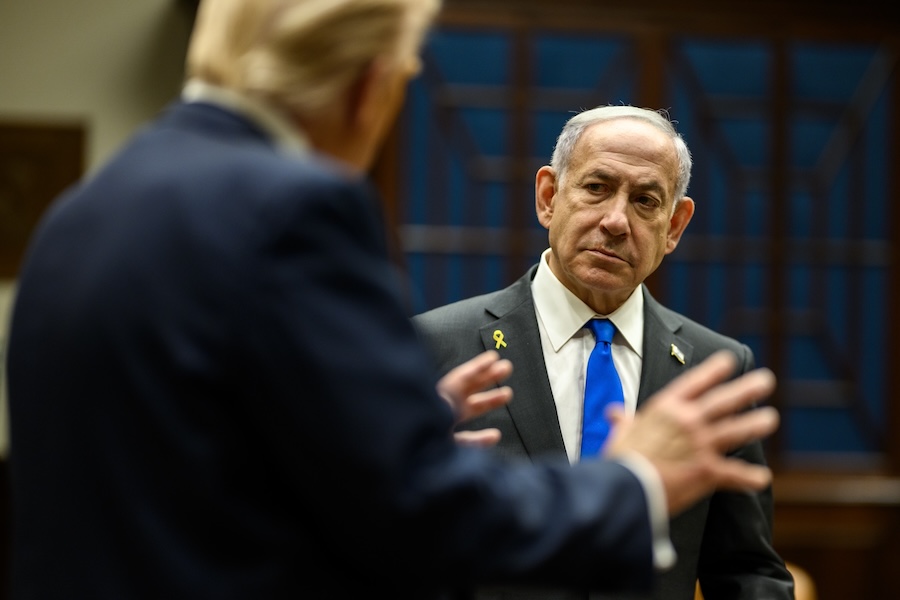
Israeli Prime Minister Benjamin Netanyahu said Thursday that Iran has effectively lost its ability to enrich uranium and build ballistic missiles, marking one of the most sweeping assessments yet of the ongoing U.S.-Israeli military campaign against Tehran.
Speaking in Jerusalem, Netanyahu said weeks of coordinated strikes have severely damaged Iran’s nuclear infrastructure and weapons systems, describing the effort as a methodical dismantling of facilities tied to both uranium enrichment and missile production. He also pointed to what he called a steady erosion of Iran’s drone and missile stockpiles, suggesting that Tehran’s offensive capabilities are being steadily worn down.
“We are winning, and Iran is being decimated,” Netanyahu said, arguing that Tehran’s missile and drone capabilities are being heavily weakened and on track for total destruction.
“What we’re destroying now are the factories that produce the components to make these missiles and to make the nuclear weapons that they’re trying to produce,” Netanyahu said. “It’s up to the Iranian people to show that, to choose the moment and to rise to the moment.”
The comments come as the conflict, now nearing three weeks, continues to escalate. The latest round of fighting erupted in late February after negotiations tied to Iran’s nuclear program broke down.
Since then, U.S. and Israeli forces have launched repeated airstrikes targeting nuclear-linked sites, military installations, and senior leadership figures inside Iran. In response, Iran has carried out retaliatory strikes against Israeli targets and key energy infrastructure across the Gulf, while also disrupting shipping routes in the Strait of Hormuz.

6 march 2026 lebanon -israel -iran -war Israeli strike on Beirut dahye suburbs hitting buildings
For years, Israel has viewed Iran’s uranium enrichment efforts as a direct threat, arguing that even civilian nuclear capabilities could be redirected toward weapons development. By asserting that Iran no longer maintains enrichment capacity, Netanyahu is signaling what he believes could be a decisive shift in the balance of power.
Just a day before Netanyahu’s statement, the head of the International Atomic Energy Agency indicated that inspectors do not yet have a complete picture of key Iranian facilities, particularly a newer enrichment site in Isfahan. There are also ongoing questions about the status and location of Iran’s stockpiles of highly enriched uranium.
While airstrikes can destroy facilities and disrupt operations, they do not necessarily eliminate a country’s long-term nuclear capabilities. Technical knowledge, hidden infrastructure, and stockpiled material can all allow a program to be rebuilt over time.
Despite sustaining significant losses, Iran has continued launching missile and drone attacks, demonstrating that at least some of its military capabilities remain intact. Those strikes have already had global consequences, particularly in energy markets. Attacks on Gulf infrastructure and shipping lanes have contributed to rising oil prices and increased volatility in global markets, heightening concerns about a prolonged conflict.
Netanyahu also addressed reports of tension between Israel and the United States, dismissing suggestions that Israel pressured Washington into deeper involvement. He insisted that President Donald Trump is making independent decisions, even as coordination between the two allies remains central to the campaign.
Still, questions linger about how aligned the two countries are on the long-term goals of the war, particularly as the scope of strikes expands and the risk of wider regional escalation grows. For now, Netanyahu’s message is clear: Israel believes it has delivered a major blow to Iran’s nuclear ambitions.
