
Politics
NEW: Dems’ Trump-Epstein Narrative Crushed After Evidence Reveals Key Redaction
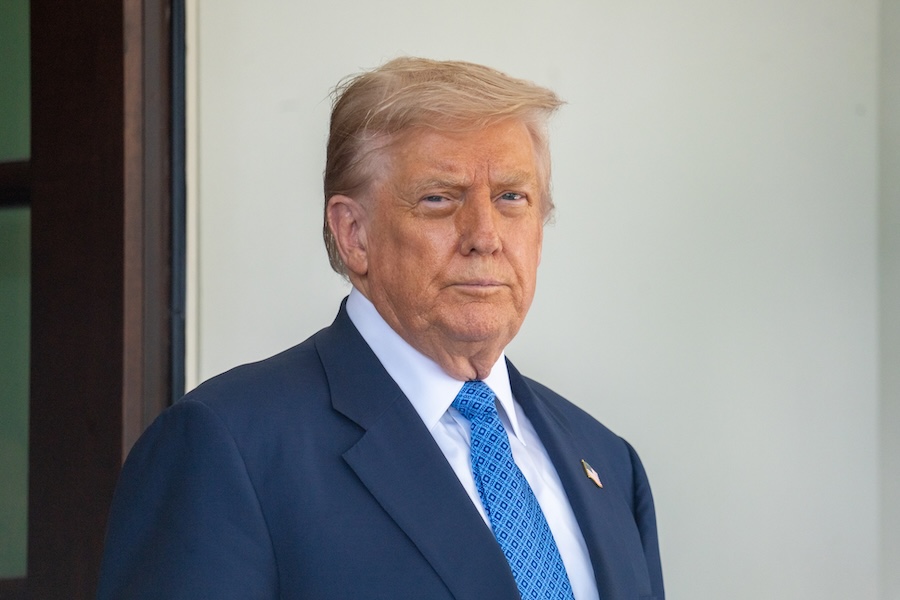
The long-running battle over Jeffrey Epstein’s secret Justice Department files has erupted into a full-scale political storm this week, but Democrats’ latest attempt to implicate President Donald Trump in Epstein’s crimes is quickly collapsing under scrutiny.
Newly uncovered evidence shows that Oversight Committee Democrats intentionally redacted the name of Virginia Giuffre, the very witness who has repeatedly testified that Trump never engaged in or witnessed Epstein’s misconduct.
The controversy began Wednesday when Democrats on the House Oversight Committee released what they claimed were “damning” emails from Epstein’s estate, suggesting Trump had “knowledge of the girls” Epstein trafficked. The post, shared by the committee’s official account, quickly went viral—drawing over six million views within hours.
“It’s time to end this cover-up and release the files,” the Oversight Democrats wrote, attaching screenshots of several redacted emails between Epstein, his associate Ghislaine Maxwell, and author Michael Wolff.
🚨BREAKING: Oversight Dems have received new emails from Jeffrey Epstein’s estate that raise serious questions about Donald Trump and his knowledge of Epstein’s horrific crimes.
Read them for yourself. It’s time to end this cover-up and RELEASE THE FILES. pic.twitter.com/A5XgOHj2Jq
— Oversight Dems (@OversightDems) November 12, 2025
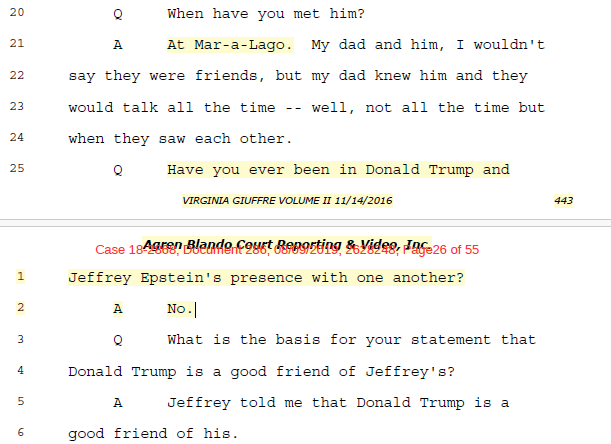
However, within hours, independent journalists and Republican lawmakers exposed the full, unredacted emails, revealing that the “victim” referenced by Epstein was not an unidentified girl—but Virginia Giuffre. Giuffre is the same woman who testified under oath in 2016 that she had never seen Trump at Epstein’s home and that he had never acted improperly toward her.
“Have you ever been in Donald Trump and Jeffrey Epstein’s presence with one another?” she was asked. “No,” Giuffre answered.
In one of the released emails, dated April 2, 2011, Epstein wrote: “I want you to realize that the dog that hasn’t barked is Trump. [Virginia] spent hours at my house with him, he has never once been mentioned. Police chief, etc. I’m 75% there.”
The redacted version circulated by Democrats replaced Giuffre’s name with “VICTIM,” implying that Trump was being referenced in connection to a minor—a narrative that immediately unraveled once the original message resurfaced online.

Another email from January 2019, sent from Epstein’s account to Wolff, contained the line: “Trump said he asked me to resign, never a member ever.
Of course he knew about the girls as he asked Ghislaine to stop.” Democrats seized on the phrase “he knew about the girls,” omitting any context that Epstein had a history of manipulating his correspondences and exaggerating connections with public figures.
Wolff’s response, uncovered in the full chain, made the situation even more controversial: “I think you should let him hang himself. If he says he hasn’t been on the plane or to the house, that gives you political currency… Of course, it’s possible he’ll say Jeffrey is a great guy and has gotten a raw deal.”
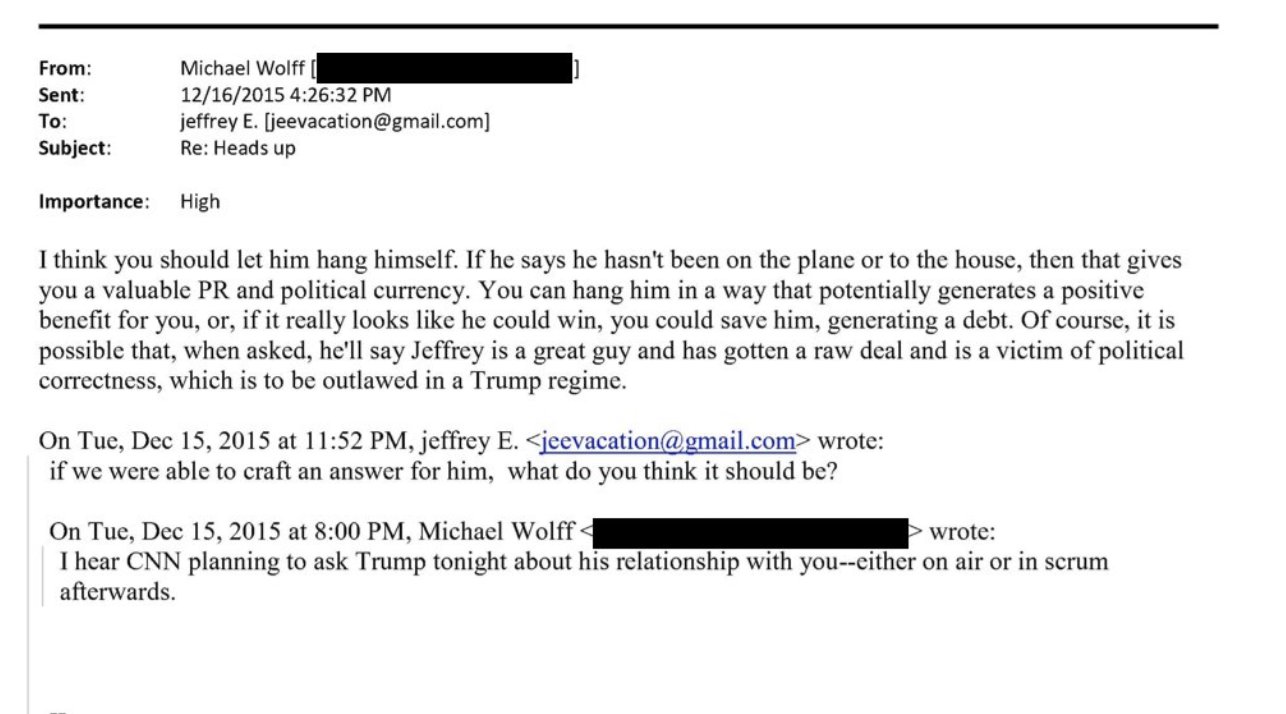
That revelation—showing Wolff advising Epstein on how to “hang” Trump in public statements—has drawn bipartisan condemnation and raised questions about the credibility of the documents Democrats chose to highlight.
Meanwhile, the political battle over the Epstein files continues to heat up. The bipartisan discharge petition—spearheaded by Rep. Thomas Massie (R-KY) and Rep. Ro Khanna (D-CA)—is expected to secure its 218th signature this week after Rep.-elect Adelita Grijalva (D-AZ) was sworn in Wednesday. Once certified, the petition will compel Speaker Mike Johnson (R-LA) to bring a vote on releasing the full trove of Justice Department files related to Epstein’s case.
The Louisiana Republican, who leads a razor-thin majority, faces pressure from both sides: Democrats eager to embarrass Trump and conservatives demanding full transparency to clear his name. President Trump, who has long denied any wrongdoing, has called the renewed focus on Epstein a “Democratic hoax” and urged Congress to focus on real issues.
