
Politics
NEW: Iran Provides Update On Ceasefire Talks
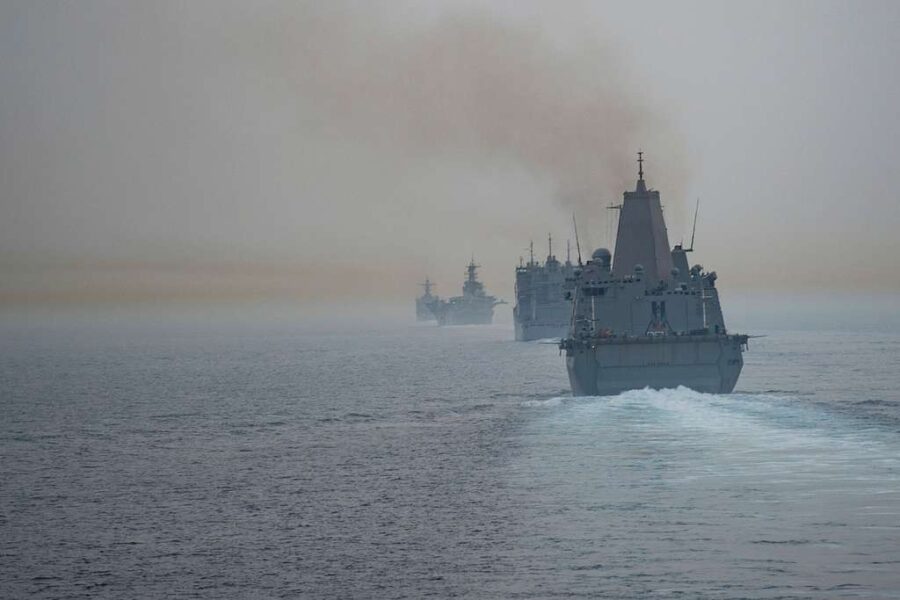
The Iranian regime on Saturday responded to President Donald Trump’s suggestion that a second round of peace talks could be taking place in Pakistan over the weekend.
The first round of face-to-face talks took place in the Pakistani capital of Islamabad on April 11 and 12. The sessions lasted approximately 21 hours and represented the highest-level direct engagement between Washington and Tehran since the 1979 Islamic Revolution.
The U.S. delegation was led by Vice President JD Vance, while the Iranian side was headed by Parliament Speaker Mohammad Bagher Ghalibaf. Discussions covered a range of issues, including Iran’s nuclear program, control of the Strait of Hormuz, regional security arrangements, potential war reparations, and the release of frozen Iranian assets.
U.S. negotiators sought a clear commitment from Iran not to develop nuclear weapons or acquire the means to do so rapidly. Iran, for its part, sought assurances on the ceasefire’s application across the region, including in Lebanon, along with economic and security guarantees. No agreement was reached.
“The bad news is that we have not reached an agreement, and I think that’s bad news for Iran much more than it’s bad news for the United States of America,” Vice President Vance said following the marathon talks. He added that productive discussions did take place, however, while the ceasefire negotiated between the two sides earlier this month held throughout the week.
On Friday, President Donald Trump suggested that Iran was willing to participate in a second round of Islamabad talks in the coming days. “There will probably be more talks this weekend about an Iran deal,” he said in a statement to The Economic Times.
In response to these remarks, Iran’s Deputy Foreign Minister Saeed Khatibzadeh stated on April 18 that no date had been scheduled for the next round. “We are now focusing on finalizing the framework of understanding between two sides. We don’t want to enter into any negotiation or meeting which is doomed to fail and which can be a pretext for another round of escalation.”
Khatibzadeh noted that “significant progress” had been made in the Islamabad talks but attributed the lack of agreement to “the maximalist approach by the other side, trying to make Iran an exception from international law.”
The mixed messaging from Tehran comes as the Islamic Revolutionary Guard Corps (IRGC) announced that the Strait of Hormuz had once again been closed as of Saturday morning. Multiple ships were fired upon, while dozens of others were forced to turn around, according to ship-tracking data.
RELATED: Saudi Arabia, Iran Hold First Direct Talks Since Conflict Began
