
Politics
NEW: Key Iranian Commander Taken Out
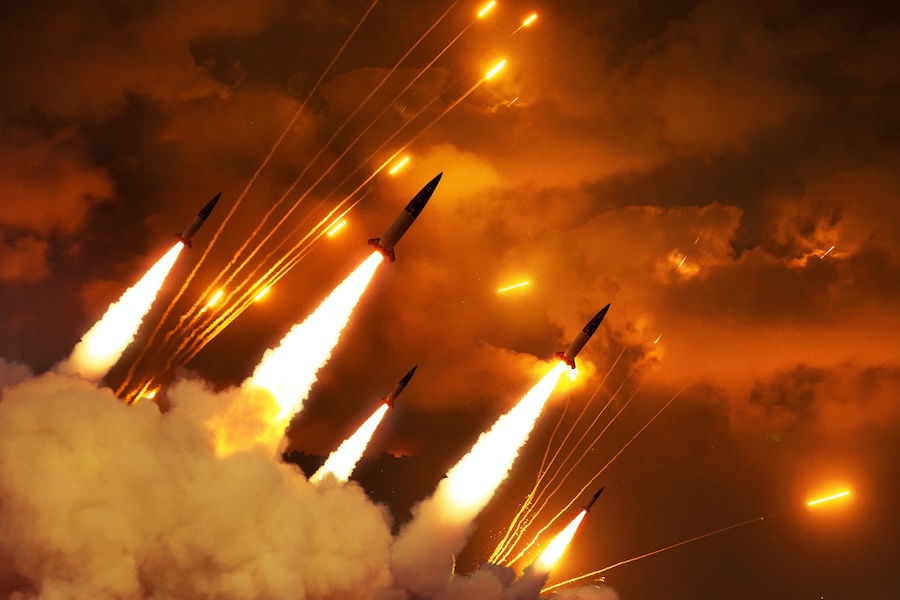
Israel says it has eliminated a key figure tied to Iran’s missile program, marking another escalation in the rapidly intensifying conflict between the two countries.
According to the Israel Defense Forces, a precision airstrike in western Iran targeted and killed Makram Atimi, identified as a commander of a central Iranian ballistic missile unit. The strike reportedly took place in the Kermanshah region, an area long associated with Iran’s missile infrastructure and underground military facilities.
Israeli officials said Atimi played a direct role in coordinating missile launches against Israeli territory in recent weeks. The military described him as a senior operational figure responsible for overseeing multiple attacks, claiming he was involved in dozens of launches as tensions between the two sides surged. The IDF added that the strike also killed several other battalion-level commanders operating within the same unit, though details about their identities have not been publicly released.
The operation appears to be part of a broader Israeli campaign focused on degrading Iran’s missile capabilities. In recent days, Israeli forces have carried out a series of strikes aimed at weapons depots, launch sites, and command structures tied to Iran’s ballistic missile network. Officials have framed these actions as necessary to prevent further attacks and to disrupt Iran’s ability to sustain long-range strikes.
🇮🇱🇮🇷Israeli forces struck and eliminated Makram Azimi, commander of Iran’s ballistic missile unit in Kermanshah province, the IDF confirmed Thursday. Azimi was directly responsible for dozens of missile launches aimed at Israel.pic.twitter.com/9gKbff6UYl
— Corefrontline (@corefrontline) April 2, 2026
Kermanshah, located in western Iran near the Iraqi border, has frequently been cited in intelligence reports as a hub for missile activity. The region is believed to house key logistical and operational assets, including storage sites and launch infrastructure. Targeting personnel in that area suggests a shift toward not just hitting equipment, but also removing individuals seen as critical to executing operations.
So far, there has been no detailed public response from Iranian officials specifically confirming Atimi’s death. As is often the case in fast-moving conflicts, claims from one side are not always immediately verified by the other. Iranian state media has acknowledged recent strikes in the region but has provided limited information about casualties or the extent of damage.
The reported killing comes at a time when ceasefire efforts between the United States and Iran have stalled, adding more uncertainty to an already volatile situation. Diplomatic channels have struggled to gain traction, with disagreements over terms and conditions halting progress. The continued exchange of military actions raises concerns that the conflict could widen further if no breakthrough is reached.
For now, the situation remains fluid. The reported death of Makram Atimi represents a significant claim by Israel, but the full impact will depend on how Iran responds in the coming days. With diplomacy stalled and military activity continuing, the region appears to be moving deeper into a high-stakes confrontation with no clear off-ramp in sight.
