
Politics
NEW: More Than 20 Nations Express ‘Readiness To Contribute’ On Opening Strait Of Hormuz
More than 20 nations in the Middle East, Europe and beyond have expressed “readiness to contribute” to efforts aimed at opening the Strait of Hormuz, a vital shipping lane that has largely been blockaded since the U.S.-Israeli conflict against Iran began on February 28.
The Strait of Hormuz, a narrow waterway connecting the Persian Gulf to the Gulf of Oman, serves as a critical route for global energy supplies. Approximately 20 percent of the world’s oil and significant volumes of liquefied natural gas transit through it under normal conditions.
Since the conflict erupted, Iran has responded by conducting attacks on commercial vessels and issuing threats that effectively halted most shipping. As a result, commercial shipping traffic in the strait has declined upwards of 90 percent.
President Donald Trump has called on allied and partner nations to assist in reopening the strait. He has urged countries that rely heavily on oil imports from the region to contribute naval assets, including warships for escorting commercial vessels and securing navigation.
Trump has stated that the United States, being less dependent on Gulf oil imports, should not bear the primary responsibility for policing the waterway.
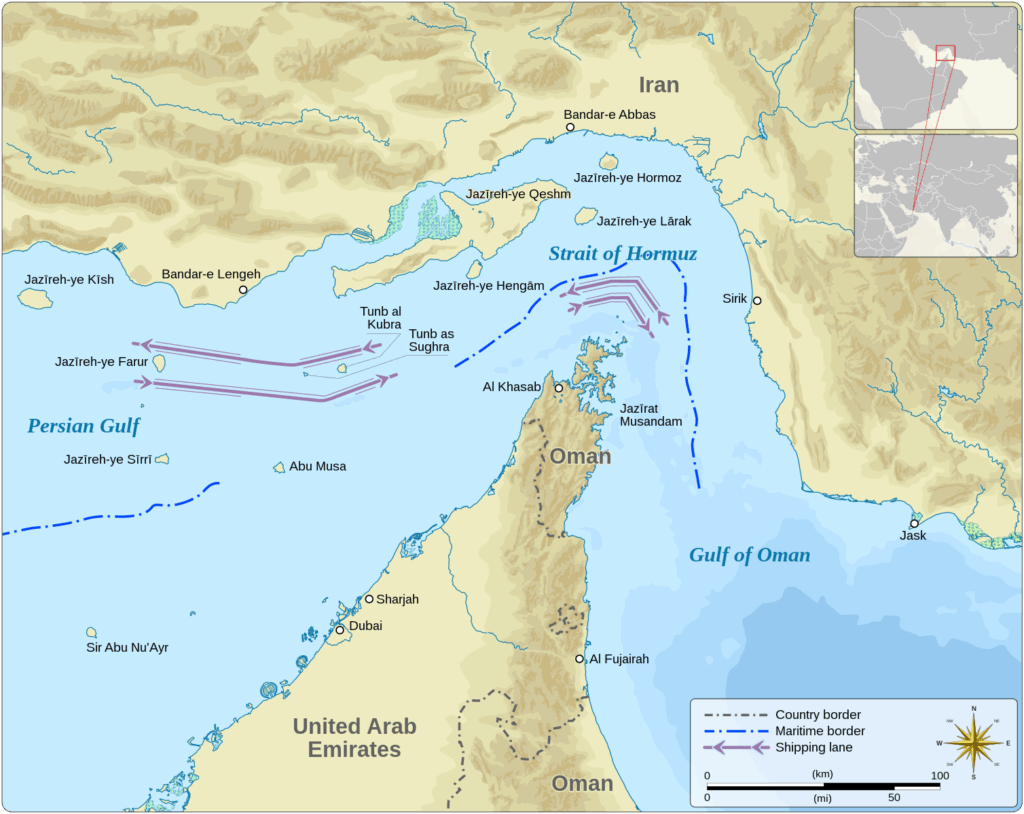
A graphic detailing the Strait of Hormuz
In recent days, more than 20 nations have issued a joint statement indicating their openness to participation. The countries include the United Arab Emirates, the United Kingdom, France, Germany, Italy, the Netherlands, Japan, Canada, the Republic of Korea (South Korea), New Zealand, Denmark, Latvia, Slovenia, Estonia, Norway, Sweden, Finland, Czechia, Romania, Bahrain, Lithuania, and Australia
In the statement, the nations condemned attacks on commercial vessels and civilian infrastructure, as well as the closure of the strait. “We express our readiness to contribute to appropriate efforts to ensure safe passage through the Strait. We welcome the commitment of nations who are engaging in preparatory planning,” the statement read.
Proposed operations could include collaborative measures such as preparatory planning for maritime security operations, potential contributions of naval or logistical support for vessel escorts, and coordination with broader international efforts to stabilize shipping lanes. The involvement is framed as conditional on establishing safer conditions, possibly following ceasefires or reduced threats, and focuses on non-combat roles like mine countermeasures or protective patrols where feasible.
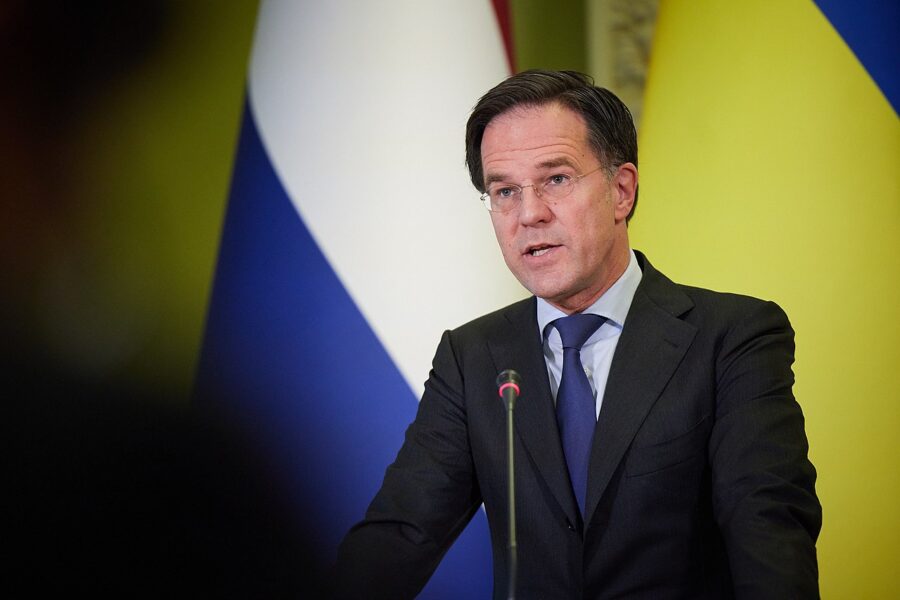
“I have been in contact with many allies. We all agree, of course, that strait has to open up again. And what I know is that allies are working together, discussing how to do that, what is the best way to do it? They are working on that collectively to find a way forward,” NATO Secretary General Mark Rutte told reporters earlier this week.
On Friday, President Trump listed a number of military objectives that could lead to the conflict “winding down” a number of which have already been obtained. He went on to list opening the Strait of Hormuz, and providing security guarantees, as a crucial pillar of lasting peace.
Trump concluded the post by calling on U.S. allies to assist.
RELATED: Iranian Man Arrested After Attempted Breach Of Nuclear Base
