
Politics
NEW: Thune Balks At Sidestepping ‘Zombie’ Filibuster To Pass Election Integrity Bill
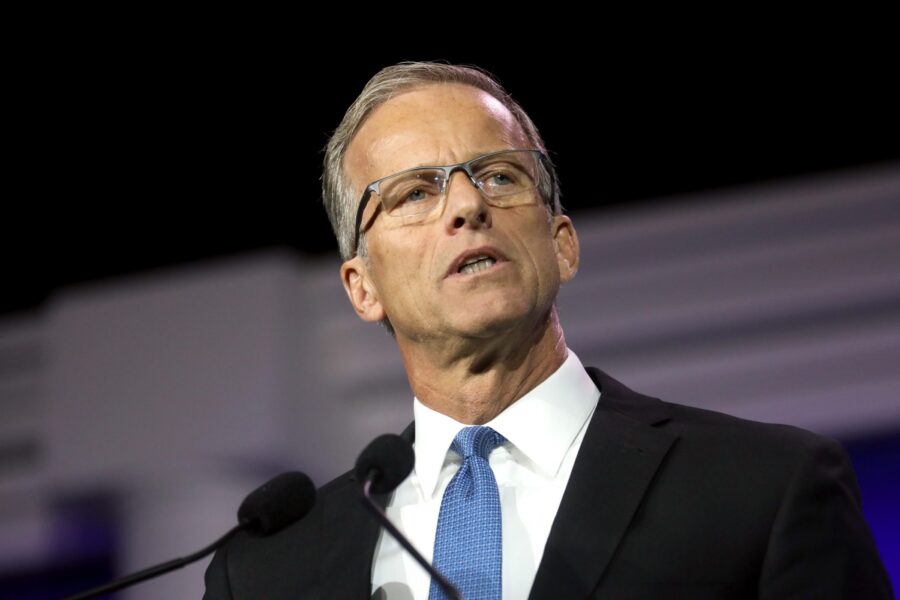
Senate Majority Leader John Thune (R-SD) has seemingly downplayed the possibility of employing a standing filibuster, also referred to as a talking filibuster, in the context of advancing a popular voter ID bill.
The latest development follows reports from some House Republicans suggesting that assurances had been given regarding procedural changes to facilitate passage of bills that might otherwise face obstacles under current Senate rules.
The standing filibuster refers to an older practice in Senate procedure where opponents of a measure must actively and continuously hold the floor through extended speaking to delay or prevent a vote. Under the modern Senate, filibusters often operate through a “silent” or virtual mechanism, where a senator can indicate intent to object, triggering a requirement for 60 votes to invoke cloture and end debate without the need for prolonged physical presence on the floor.
Reverting to or enforcing a standing requirement would compel dissenting senators to maintain continuous debate, potentially for many hours or days, to sustain their opposition.
Reports that Thune was considering an end to the zombie filibuster first surfaced on Monday night. Some House members, including Rep. Anna Paulina Luna (R-FL), indicated after meetings involving the White House and Senate figures that there were understandings about utilizing a standing filibuster approach.
This was tied to efforts to advance election-related legislation, such as the SAVE Act (Safeguard American Voter Eligibility Act), which seeks to require proof of citizenship for federal voter registration and has passed the House but faces challenges in the Senate due to the 60-vote cloture threshold.
On Tuesday, Thune spoke with reporters and stated that Senate Republicans would hold conversations within their conference about the option of requiring a standing filibuster in specific instances. He emphasized that no final commitments had been made and highlighted the need to assess the broader implications.
Thune noted that such a procedural shift could occupy the Senate floor for extended periods, creating an “opportunity cost” by limiting time available for other legislative items, including housing reform, permitting processes, artificial intelligence policy, farm bill reauthorization, and highway funding measures.
Thune has historically supported maintaining the legislative filibuster in its current form, as evidenced by statements from prior years underscoring its role in ensuring minority party input and promoting broader consensus.
