
Politics
NEW: Trump Hints At U.S. Strikes Against Iranian Ally
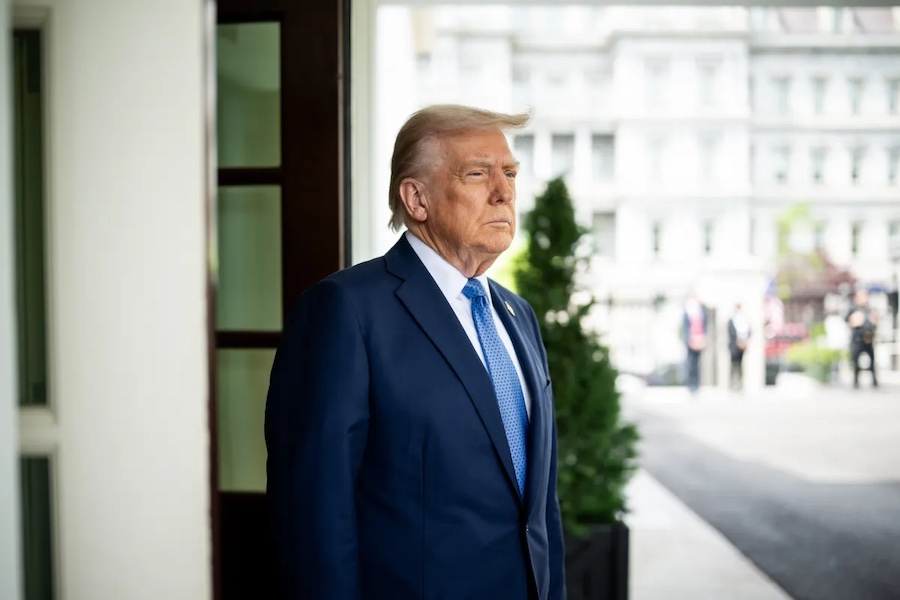
During a highly-anticipated cabinet meeting on Wednesday, President Donald Trump stated that no single nation would control the Strait of Hormuz as part of ongoing negotiations to end conflict with Iran. He then directly addressed reports of discussions between Iran and Oman on managing the vital waterway, warning that Oman must comply with expectations for open access or face consequences.
The Strait of Hormuz, a narrow passage between the Persian Gulf and the Gulf of Oman, serves as a critical chokepoint for global energy trade. Prior to the start of the conflict between the U.S. and Israel and Iran on February 28, when the strait was effectively closed by Iranian forces, roughly 20 percent of global oil exports travelled through it.
Iran borders the northern side, while Oman’s Musandam Peninsula lies to the south. Under international law, the strait includes territorial waters of both countries, with rights of transit passage recognized for international navigation.
Iran conducted strikes on targets in Oman and the strait area earlier in the year, including drone attacks on Omani ports such as Duqm and Salalah, which have U.S. connections. Since then, tensions have died down during the ceasefire, while the the two sides have had discussions about a plan that would allow both countries to charge tolls for global navigation of the Strait of Hormuz.
Oman, maintaining diplomatic relations with both the United States and Iran, has participated in mediation efforts and discussed shared stewardship arrangements. Reports indicate ongoing conversations between Iranian and Omani officials on protocols for safe passage, with some proposals allowing ships to transit via the Omani side without interference while Iran retains authority in its waters.
During Wednesday’s cabinet meeting, when asked about a potential short-term arrangement permitting Iran and Oman to manage the strait, President Trump responded that the waterway constitutes international waters and must remain open to all without control by any one party. He stated the U.S. would oversee compliance but emphasized, “Oman will behave just like everybody else, or we’ll have to blow them up.”
He then expressed confidence that Oman understands the position and would comply.
The remarks align with U.S. policy to maintain freedom of navigation and prevent any exclusive arrangements amid negotiations. The Trump administration has enforced a blockade on Iranian shipping to pressure reopening of the strait while pursuing a broader agreement addressing Iran’s nuclear program and regional security. U.S. forces have boarded vessels suspected of violating restrictions in the Gulf of Oman.
Despite the tensions, recent days have seen expressions of optimism regarding peace negotiations. Both sides have acknowledged progress on a memorandum of understanding that could lead to a lasting peace, which addresses key issues like navigation in the strait and Iran’s nuclear weapons program.
RELATED: New US Ally Offers To Help Guard Key Oil Choke Point As Iran Threats Escalate
