
Politics
Oil Prices Make New Move Amid Weekend Developments In Iran
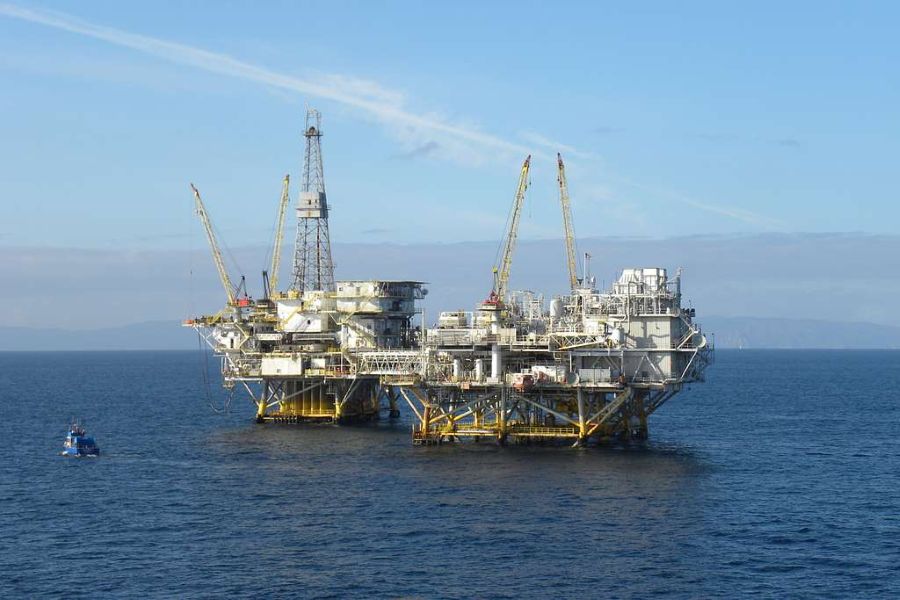
Oil prices slid sharply Monday, dropping to their lowest levels in 11 days as traders weighed possible diplomatic movement between the United States and Iran along with signs that Saudi Arabia is finding new ways to keep crude flowing.
Brent crude for November fell $2.69, or 2.6%, to $101.18 a barrel by 12:54 p.m. GMT after earlier touching its lowest level since Sept. 10.
U.S. West Texas Intermediate crude also moved lower. The October contract, which expires Tuesday, dropped $2.69, or 2.7%, to $97.61 a barrel.
The November WTI contract stood at $93.49.
The pullback came despite continued fighting across the Middle East and another exchange of threats between Washington and Tehran over the weekend.
President Donald Trump said Sunday that he would be open to meeting Iranian President Masoud Pezeshkian, who is expected to travel to New York for this week’s United Nations General Assembly.
Iran has also conveyed conditions to mediators for potentially reopening negotiations, according to a report citing Iranian security chief Mohsen Rezaei.
BREAKING: Crude Oil prices plunge -4.2% to below $96/bbl. pic.twitter.com/Flk67vsGSk
— Hedgeye (@Hedgeye) September 21, 2026
Those diplomatic signals helped push crude lower as markets considered the possibility that talks could reduce the risk of further escalation.
But the battlefield remained active.
Iran-backed Houthi forces in Yemen said they attacked Riyadh and a Saudi Aramco facility in the Red Sea city of Yanbu while continuing efforts to expand their control in Yemen.
China has also pressed Iran to help restrain the Houthis following an appeal from Saudi Arabia, according to sources familiar with the discussions.
Saudi Arabia, meanwhile, has been adapting after attacks disrupted the kingdom’s East-West pipeline and complicated shipments through Yanbu.
Saudi Aramco has increased exports moving through the Strait of Hormuz this month and next as it works around those disruptions.
RELATED: Oil Prices Take Shocking Turn
“Middle East oil flows remain surprisingly strong despite the disruption to Saudi Arabia’s East-West pipeline,” JPMorgan analysts said in a September 18 note.
The bank pointed to a major shift in Saudi export patterns.
“The most notable pivot has come from Saudi Arabia,” the analysts said, as satellite data indicated Saudi oil moving through the Strait of Hormuz averaged 2.9 million bpd over the past six days, up from just 700,000 bpd in August.
The increase has helped ease immediate fears of a much larger supply crunch, even as the region remains volatile.
Oil producers are also increasingly relying on ship-to-ship transfers near Oman to keep exports moving through the region.
RELATED: Gas Prices Make Massive Move
That workaround has prevented a more severe disruption in supply, but shipping costs have soared as tankers navigate the increasingly complicated route.
Elsewhere, Libya’s National Oil Corporation said production at the country’s Sharara oilfield had been partially reduced, though officials did not provide a reason.
Monday’s drop leaves Brent hovering just above the closely watched $100-a-barrel mark after prices climbed above $108 last week.
Traders are now watching this week’s U.N. meetings closely for any sign that Washington and Tehran could move toward negotiations while Saudi Arabia continues scrambling to maintain oil exports through a region still under heavy military pressure.
POLL: Will You Support Trump And His Candidates In The Midterms?
